Commercial Cool Roof Installation in Vacaville, CA
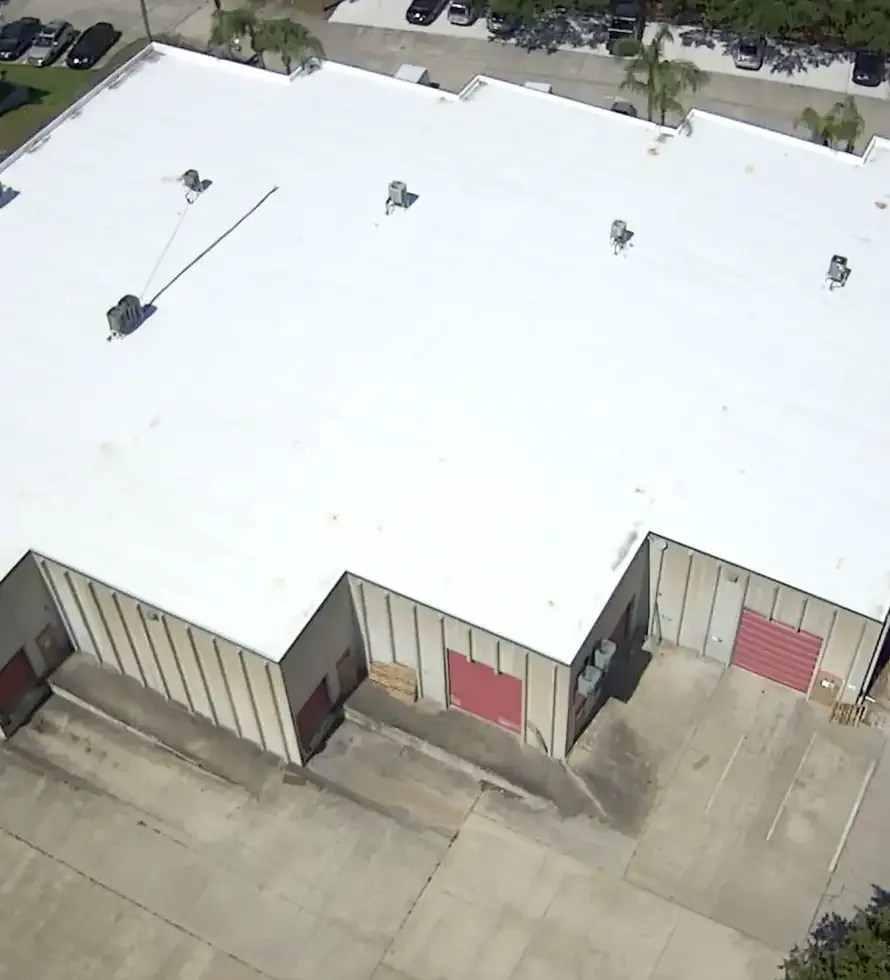
Plan Vacaville cool roof installation around membrane condition, reflective finish, drainage, insulation, and the work window for an operating building.
A reflective finish can reduce solar absorption, but its value depends on a roof assembly that can safely receive it. A commercial roof inspection checks the existing membrane, insulation, drainage, and transitions before we compare a compatible coating or membrane with replacement options. The assessment checks adhesion, moisture, open seams, repairs that may need correction, and the height available at drains and edges. We separate roof observations from any projected energy savings, which require building-use and HVAC data beyond a roof inspection. Where a coating is proposed, a test patch can confirm adhesion on the prepared surface before full application proceeds. The owner receives a defined preparation scope, installation sequence, and list of details that need verification before a reflective system is selected.
Separate reflectance from assembly condition
Factory-colored membrane and field-applied coating answer different specification questions. A membrane bid names sheet type, attachment, seam method, and perimeter tie-ins; a coating scope first maps the existing finish, repair boundaries, primer, reinforcement, and required build. The National Weather Service has included Vacaville in a Central Solano County heat advisory, a planning consideration when surface temperature affects a site visit. We compare assemblies after checking adhesion and moisture. A sample patch can confirm bonding on one tested area, but it cannot stand in for conditions across additions or previous repairs. Each distinct roof zone gets its own preparation note and termination detail when conditions vary. The owner can see what remains, what is removed, and which energy assumptions still need building-level data.
Soiling, biological growth, and foot traffic can change how a finished surface performs and looks over time. We note areas that collect debris, shade from rooftop equipment, and service paths that may need periodic cleaning or inspection. The material submittal should define acceptable preparation and maintenance so the owner can plan those tasks without relying on a color sample alone. We also separate the reflective finish decision from repairs to seams, drains, and edge metal; those interfaces need sound detailing whether the finish is bright or dark.
Choose a reflective system that fits the roof
The choice may be a reflective membrane, a coating over an eligible roof, or a replacement assembly with a lighter finish. We compare the existing system, attachment, slope, drainage, roof traffic, and manufacturer requirements before matching materials. A coating needs a compatible substrate and adequate dry time; it should not bridge a failed seam or conceal a wet area. A new membrane changes flashings, terminations, and sometimes edge height, so the scope records those interfaces as well as the field area. Vacaville planning identifies industrial uses near the I-505 corridor between Vaca Valley Parkway and Midway Road, but the district context does not tell us which roof system a particular property needs. A TPO roof review may suit one assembly, while an elastomeric coating review addresses a different substrate question.
Review insulation before making an energy claim
Surface reflectance and insulation perform different jobs. A reflective finish changes solar absorption at the roof surface; insulation limits heat flow through the assembly. We note compressed or wet board, air gaps, and areas where repeated repairs affect continuity before estimating what a new finish can change. Any modeled energy result needs building use, existing construction, HVAC operation, and local utility assumptions that are outside a roof photograph. The owner can compare the roof scope with a qualified energy analysis without treating one as proof of the other. Biotechnology, advanced manufacturing, industrial production, and logistics are Vacaville target sectors; an individual building’s energy use follows its own equipment and operating hours. A cover board and insulation survey can document the layers to include in the comparison.
Keep drainage and perimeter details in the design
A new finish can change roof texture and runoff behavior, while added layers can change height at a drain or edge. We map low points, scuppers, overflow routes, coping, and curb transitions so a reflective surface does not hide a drainage defect. If a coating is proposed, the repair boundary should include repairs that need to be completed first and protect outlets from material buildup. For replacement, tapered insulation and drain elevations are coordinated before work starts. The City’s 2025 planning activity lists industrial and commercial construction proposals, including industrial buildings and warehouse or retail development. Those proposals are not a roof specification; field measurements establish whether this building needs outlet correction, tapered insulation, or perimeter adjustment. A drainage inspection can identify outlet corrections, while an edge metal review checks perimeter terminations.
Set a work window around weather and access
Reflective coatings and adhesives need surface conditions that let them cure and bond as specified. We check forecast, dew, substrate moisture, shade, and access before choosing a sequence, then identify which roof zones can be closed at the end of each shift. The property contact confirms site rules, delivery windows, and any sensitive operations below the work area. Our work plan sets material staging, rooftop traffic routes, protection at equipment, and a contingency if the close-in window changes. A phased reroof plan can coordinate tenant access where the work affects several roof sections.
Application also has a start and stop point: the crew checks that the deck and membrane are dry enough to receive material, then protects an unfinished edge before leaving the roof. If the surface temperature rises beyond product limits or moisture appears, we pause that zone and shift to another approved task. The close-in record names the area completed that day and the remaining tie-ins, which gives the owner a clear handoff if the schedule moves.
Compare the alternatives with a written scope
A useful comparison identifies preparation, repairs, primer, membrane or coating, insulation changes, flashings, and closeout checks for each alternative. It also states what remains in place and what is removed, so a lower initial scope is not mistaken for an equivalent assembly. We record the roof areas included, any test needed before proceeding, and assumptions about equipment or access. If a reflective coating is unsuitable, the report explains which substrate condition prevents that option and what replacement work would address it. A roof capital plan can organize the alternatives by condition and timing. Commercial activity in the Downtown Vacaville district and the I-505 business corridor gives a location context, while measurements and records determine the project scope. The owner receives a marked roof plan and photographs to carry into budgeting. For a property in the Vaca Valley Business Park area, the same comparison begins with that building’s drainage map, rooftop equipment, and membrane condition.
Questions Owners Ask
Will a cool roof lower every building's energy use?
A reflective surface can reduce solar absorption, but the result depends on insulation, building use, HVAC equipment, operating hours, and climate inputs. A roof assessment cannot promise a specific utility reduction.
Can a reflective coating go over any existing roof?
The substrate must be sound, dry, attached, and compatible with the selected system. We document failed seams, moisture, and prior coatings before deciding whether preparation can produce a reliable bond.
Does a cool roof replace insulation?
No. Reflectance changes the surface response to sunlight; insulation limits heat transfer through the assembly. A survey records both layers so the owner can evaluate them together.
What can delay cool roof installation?
Rain, dew, damp substrate, temperature limits, cure time, and access can affect the sequence. We define a close-in plan and identify which conditions must be met before material is applied.
How should reflective roof bids be compared?
Compare preparation, repairs, material layers, drainage and flashing work, access assumptions, and closeout checks. The written scopes should make clear whether each option leaves the existing assembly in place or removes it.
Related Roofing Work
- Commercial Roof Inspection in Vacaville, CA
- TPO Roofing in Vacaville, CA
- Silicone Roof Coatings in Vacaville, CA
- Commercial Roof Insulation and Cover Board in Vacaville, CA
- Commercial Roof Drain and Scupper Repair in Vacaville, CA
- Commercial Roof Edge Metal, Coping, and Gutter Service in Vacaville, CA
- Occupied Commercial Building Reroofing in Vacaville, CA
- Commercial Roof Capital Planning in Vacaville, CA
Share the current roof system, repair history, drainage concerns, and the building's work window. We will document substrate conditions and compare an eligible coating or reflective replacement scope.