Commercial Roofing in Downtown Vacaville, CA
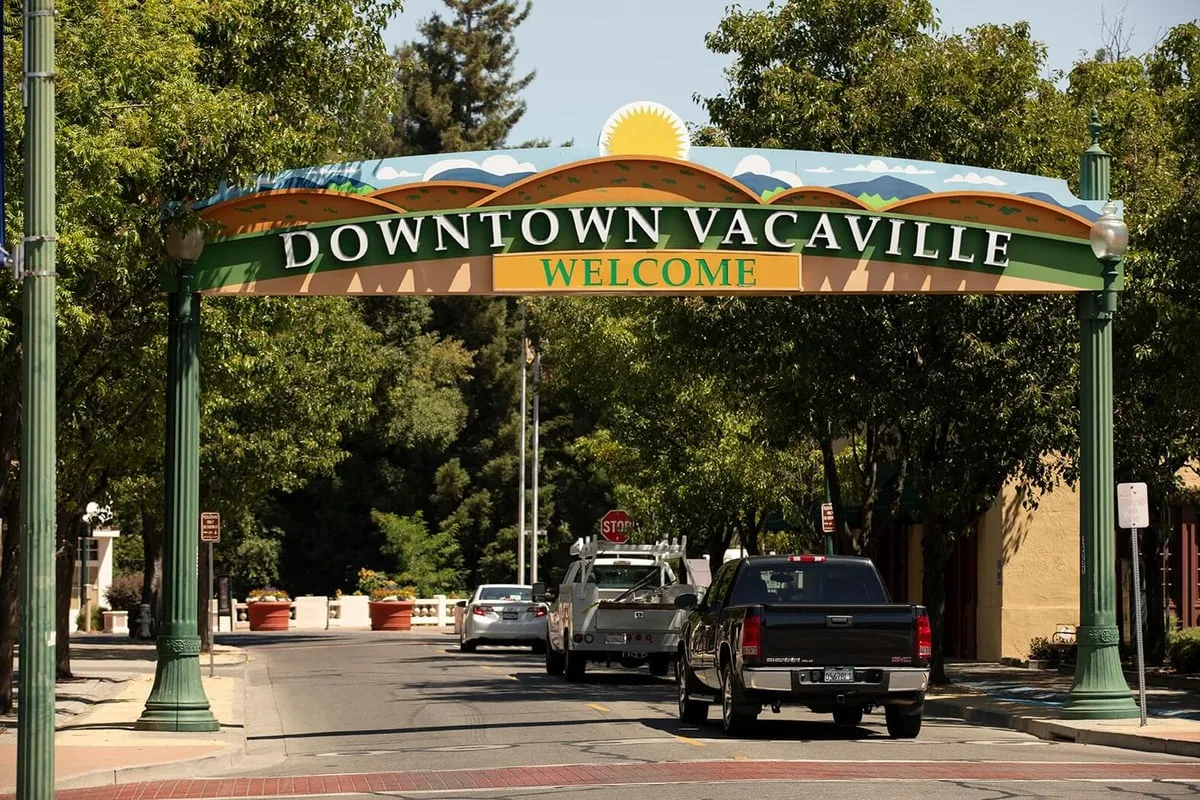
Repair and inspect commercial roofs in Downtown Vacaville with careful access planning, clear repair limits, drainage checks, and photo records.
The Downtown Vacaville district association represents over 450 business members spanning multiple industries. When a tenant reports a ceiling mark, the manager can make the first call more useful by noting the suite, room, date, and whether staff saw water arrive. Those clues help us distinguish a roof concern from another building system before a work estimate is prepared. The district’s commercial mix does not identify the membrane, drain, or curb on a particular building; those details must be verified at the property. We give the owner a concise separation of confirmed cause, possible travel path, and any question that needs a test opening. A neighboring roof or a tenant’s account is not evidence of the condition next door.
Plan around the business day
Before any roof visit, the property representative identifies who may authorize entry, which tenant or staff contact should receive notice, and where the crew can safely move tools. We confirm the approved hatch or exterior access, the roof area under review, and any interior location that needs protection. A roof map can show what was accessible and what could not be checked without an additional key, escort, or shutdown. The schedule records who will make a decision if business activity changes during the visit. A commercial roof inspection can then compare the requested work with observed conditions, without treating a district calendar as a building instruction. Record decisions in a roof authorization sheet: the property contact, tenant notice recipient, approved entry point, roof zone, photography permission, and person who may approve added removal after an opening. At a multi-tenant commercial building, this separates one suite’s service request from authorization for the entire roof. The field lead carries that sheet with the marked plan. If approval is delayed, work stays inside the permitted section. At closeout, the owner receives a change log showing what was repaired, what was excluded, and who can reopen the scope. These instructions are confirmed for the property rather than inferred from its downtown address. The marked drawing should also identify the next access decision and the date the record was updated.
Inspect the connection that failed
When water appears indoors, we start with the location and timing of the report, then trace likely paths above it. A membrane seam, curb, wall transition, drain, or old patch may be the entry point, while the visible ceiling mark can sit farther away. The Diligence Notes identifies the roof zone, adjacent details, and the evidence that supports a repair boundary. We check the receiving material before proposing a patch; a soft board or loose sheet may need a larger correction. If the path remains uncertain, the owner can authorize a defined test instead of extending removal across unverified areas. The close-in method and temporary protection are listed separately from permanent work.
Watch movement at edges and curbs
Sun exposure can change how a roof detail behaves, but a forecast alone cannot diagnose a leak. We inspect the field sheet, welded or adhered seams, metal edge, and curb transitions at the location in question. The record notes what moves under probing, whether the receiving surface remains sound, and how far the condition extends. A repair should terminate at stable material rather than stop at the easiest visible split. For a leak near a low point, a drainage repair work review follows the bowl, outlet, overflow, and neighboring laps. Each test result is attached to the same roof zone so a later service visit can verify the correction rather than infer it from an interior stain.
Treat the surface as one layer
A coating may be appropriate when the existing surface is compatible, dry enough, and able to receive the specified preparation. It cannot replace saturated insulation, restore a weak deck, or correct a loose termination by itself. We separate the repair of those conditions from coating preparation and identify where a new layer would change drain height, curb clearance, or edge termination. A TPO system and an EPDM assembly have different seam and repair methods, so selection follows the actual substrate and owner’s maintenance plan. The scope states which material is present, what was tested, and what is excluded until concealed layers are confirmed.
Keep the district record building-specific
The closeout file follows one property and one roof plan. It records the affected area, repair materials, dated photographs, access notes, and any section not opened or reached. A visit to North Village or Lower Lagoon Valley starts with that location’s own roof records; neither cross-reference substitutes for the Downtown building’s inspection. The manager can pass the marked drawing to a future service contact and identify which question remains unresolved. That record also helps distinguish a repeated leak at a repaired seam from a separate path at another curb or drain. We keep planned work and completed work clearly separated.
Use maintenance to catch changes
A follow-up interval should reflect the observed repair, drainage conditions, and the owner’s ability to provide access. During a planned visit, the technician compares the repaired termination with its closeout photograph, checks nearby outlets, and notes new penetrations or trade work. A maintenance inspection can log these changes without implying that every roof area was included in a prior repair. If the roof hatch, tenant contact, or acceptable work window changes, the file records the new instructions before the next crew is dispatched. The resulting history gives the property manager a practical basis for deciding whether to monitor, test, or expand scope.
Choose repair or replacement from evidence
We compare a bounded repair with broader renewal when the evidence shows repeated failures, moisture across separate roof zones, or a substrate that cannot support a reliable patch. The repair proposal names its receiving surface, termination, protection, and exclusions. A replacement assessment states removal depth, drainage changes, sequencing, and what could alter price after an approved opening. The property team receives the observations and assumptions together, so the next decision is tied to a defined roof area instead of a general building label. Share the symptom location, existing records, and available access contact to prepare a site-specific review.
Questions Owners Ask
Can roof work be scheduled around downtown business hours?
We confirm the property’s access route, deliveries, customer activity, interior protection, and available close-in period with its contact. Those details shape staging and work sequence; the district itself does not set a single schedule for every building.
Does a Vacaville heat advisory prove the roof needs repair?
No. A forecast is context for inspecting seams and exposed transitions, not a condition finding. We check the bond line, flashing, and receiving surface, then document whether an observed defect supports repair or further testing.
How do you locate a roof leak when the ceiling stain is elsewhere?
We compare the reported room with the roof slope, drains, penetrations, walls, and prior repairs. Water can travel through the assembly, so we identify a supported opening and state whether a test is needed before setting the permanent boundary.
Can a coating correct ponding water on a downtown roof?
A coating does not change the roof's slope. We inspect the drain, overflow, low point, and surrounding insulation, then separate surface restoration from drainage or slope work that may need to be priced independently.
What should be retained after a repair?
Keep the roof-zone reference, photographs, materials installed, area removed, and work excluded. We provide a record tied to the property so a later visit can compare the same seam, curb, or drain without assuming the entire roof was repaired.
Related Roofing Work
- Commercial Roof Inspection in Vacaville, CA
- Commercial Roof Drain and Scupper Repair in Vacaville, CA
- TPO Roofing in Vacaville, CA
- EPDM Roofing in Vacaville, CA
- Commercial Roofing in North Village, Vacaville, CA
- Commercial Roofing in Lower Lagoon Valley, Vacaville, CA
- Commercial Roof Maintenance in Vacaville, CA
- Commercial Roof Repair in Vacaville, CA
Share the leak location, prior repair notes, access route, and hours that matter to the business. We will inspect the relevant roof details and document a repair boundary or the next test needed.