Silicone Roof Coatings in Vacaville, CA
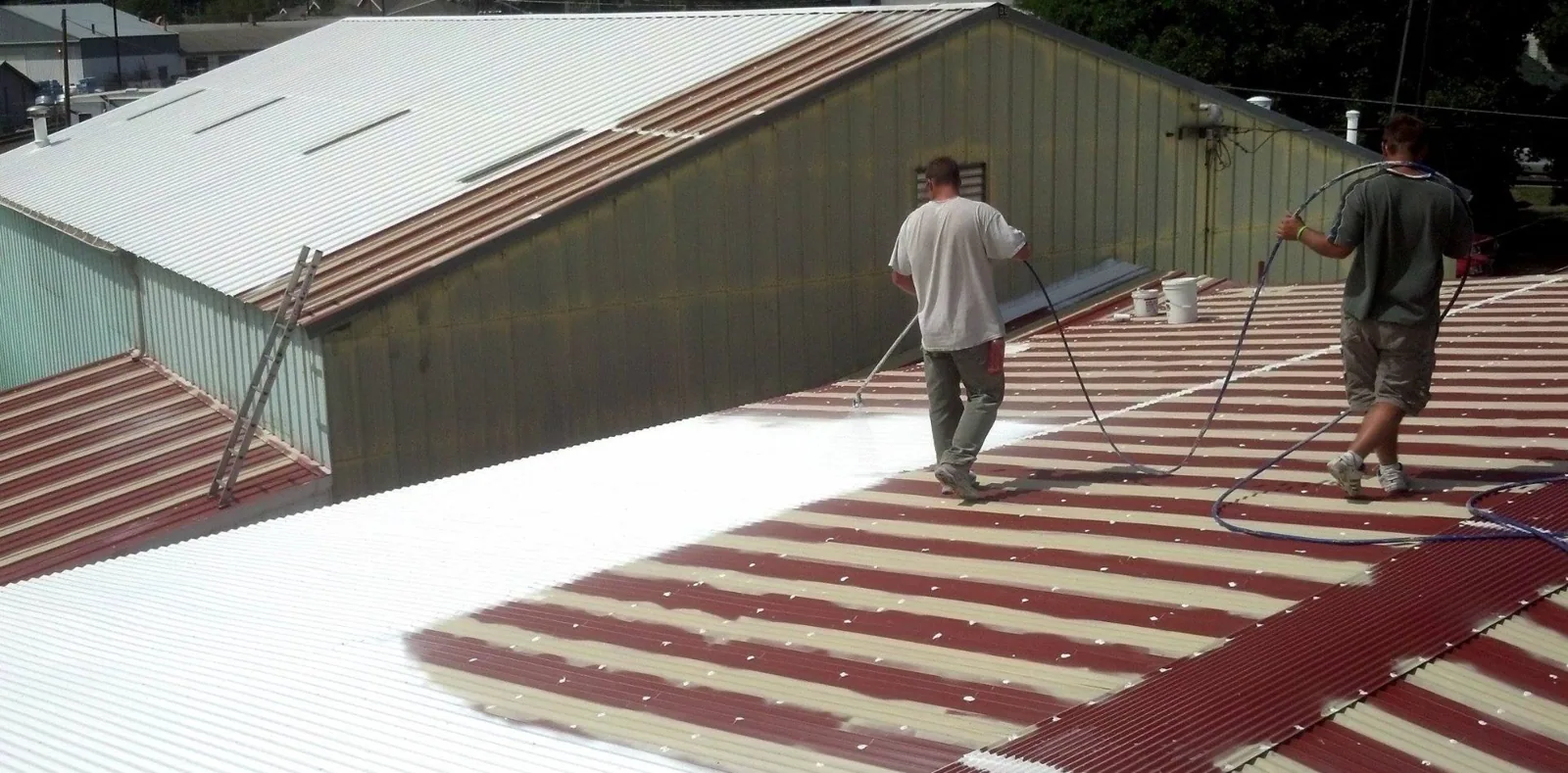
Evaluate a silicone roof coating in Vacaville, CA. We inspect adhesion, moisture, ponding, repairs, and required film thickness before recoating.
Silicone coating can renew a compatible roof surface, but only after the existing assembly is checked for moisture, attachment, and repair needs. A coating crew in Vacaville, CA, needs a dry surface and a work window long enough for the selected material to cure. A Central Solano County heat advisory that included Vacaville forecast very hot days and warm nights. Before application, we confirm a dry surface and a curing window suited to the selected material. We inspect adhesion, ponding, prior patches, drains, and the underlying membrane before deciding whether silicone is suitable. A roof inspection defines what can remain, what must be repaired, and the surface preparation required before a new coating is applied.
Test what the coating will bond to
Silicone adheres to prepared surfaces only when the existing material and its condition support the selected product. Dirt, chalking, oils, loose granules, incompatible coatings, and moisture can disrupt adhesion. We inspect the field and detail areas, clean representative locations, and perform a test patch when the substrate is uncertain. The test checks whether the coating bonds after cure, not whether the roof underneath is structurally sound. Wet insulation, separated plies, or a loose membrane still need repair or removal. The written scope names the existing roof type, preparation method, primer if required, and areas excluded. Vacaville's business parks and industrial-park land uses near I-505 make varied roof assemblies part of the local building mix, but each substrate must be confirmed in person.
Check ponding before coating
Silicone can tolerate standing water better than some coating chemistries, but a coating does not correct deflection, blocked drains, or reverse slope. We locate the drainage low point, check that outlets are clear, and record how long water remains after rain or washdown. If ponding is tied to soft insulation or a depressed deck, the assembly needs a repair plan before coating. A drain and scupper service can restore the outlet detail, while a ponding-water repair addresses a broader low area. We show the difference between a surface coating and a correction to roof geometry so the owner is not expecting one product to perform both jobs. The estimate identifies drain cleaning, sump or cricket work, and membrane repairs as separate items when those are needed. That separation makes the water-control scope clear before the field coating is ordered.
Build the required film thickness
The coating's protection depends on the specified dry film thickness, applied in the required number of coats. We measure coverage, reinforce seams and penetrations where the system calls for it, and keep the film continuous over repaired areas. A thin pass may look uniform from a distance while leaving pinholes or exposed texture. Material use, surface profile, temperature, and application method affect the amount needed. We track gallons by roof area and use wet-film checks during application, then verify the cured surface against the product requirements. The scope states coverage assumptions, reinforcement details, cure intervals, and how weather affects recoat timing. Work is scheduled when temperature and moisture conditions suit application and curing; a surface that is wet from washdown or dew needs additional drying time. The daily plan also protects roof openings if another trade is working nearby. Coverage is calculated from roof area and surface profile, not just the flat plan dimension. Rough surfaces and parapet returns consume additional material, while ponding low points may require a separate repair before the specified coating thickness can be built. At equipment curbs and parapets, the coating must turn onto compatible flashing without covering serviceable fasteners or blocking drainage paths.
Repair first, then coat the field
Open seams, loose flashing, punctures, rust, and wet areas are repaired before the coating is applied. Otherwise the new layer can cover a defect without restoring the bond or drying the assembly. We mark repair boundaries, remove unstable material, and confirm that the substrate accepts the patch. A spray foam assembly has different preparation and coating details from a membrane or metal roof. We inspect the curb skirt and wall termination for movement, then use compatible reinforcement at joints where the product system specifies it. A coating should reach onto a sound transition without covering a fastener that may need service. For a metal roof, fasteners and laps must be secure before coating. A coating restoration scope separates repair labor, surface preparation, reinforcement, and finish coats so the owner can see which work prepares the roof and which protects it.
Compare coating choices with the substrate
Silicone and acrylic coatings behave differently when exposed to standing water, weather, and recoat conditions. The existing roof and its drainage determine which product should be evaluated. Acrylic can suit some sloped areas but may not fit chronic ponding; silicone can handle certain ponding conditions while attracting dirt and requiring careful maintenance. We compare compatibility, surface slope, application weather, traffic, and planned service life without promising a fixed result. A acrylic coating may be considered for a different exposure, while a TPO replacement may be appropriate where the membrane or insulation needs broader removal. An infrared moisture survey can help map suspect areas before test openings confirm the layers below.
Keep a record of the coated roof
Record the product, primer, batch, application date, dry-film checks, repair locations, and excluded areas. Keep photographs of drains, curbs, laps, and the test patch with the roof plan. Future maintenance should note new punctures, dirt buildup, coating wear, or equipment service that disturbs the surface. A condition report can compare later observations with the installation record. For a commercial property near the Vaca Valley Business Park area, share those records and the operating window before an inspection so work can be planned around access and equipment. We will identify whether the coating can remain, where preparation is needed, and which defects require repair first. If the test patch fails or moisture is found below the roof, we will document the changed condition and revise the work boundary before application proceeds.
Questions Owners Ask
Will silicone stop an active roof leak?
A coating should not be applied over an active leak without locating and repairing the opening. We trace the water path, inspect seams and penetrations, and test for wet insulation. After the substrate is dry and stable, a compatible coating may protect the repaired surface if the assembly and drainage support that scope.
Does silicone fix ponding water?
Silicone may be compatible with some standing-water conditions, but it does not change roof slope or restore a soft deck. We inspect drains and low areas, clear blocked outlets, and determine whether insulation or structure needs correction. The coating decision follows that assessment rather than being used as a substitute for drainage work.
How do you confirm coating adhesion?
We prepare a representative surface and apply a test patch using the specified material. After cure, we check the bond and look for incompatibility or surface failure. If the test does not hold, we change preparation or product choice before coating a larger area.
What affects the timing of a silicone coating project?
Cleaning, repairs, surface drying, test-patch cure, application temperature, humidity, and recoat intervals all affect timing. The building's operating window and rooftop equipment access also shape the sequence. We identify those conditions before scheduling work and define which area can be completed and cured in each phase.
What records should be kept after coating?
Save product and primer information, film-thickness checks, repair locations, photographs, and notes about excluded areas. Those records help a later inspection identify coating wear versus a new puncture. We can provide a photo-supported roof report for ongoing maintenance.
Related Roofing Work
- Commercial Roof Inspection in Vacaville, CA
- Commercial Roof Drain and Scupper Repair in Vacaville, CA
- Ponding Water Roof Repair in Vacaville, CA
- Spray Foam Roofing in Vacaville, CA
- Acrylic Roof Coatings in Vacaville, CA
- TPO Roofing in Vacaville, CA
- Commercial Roof Infrared Moisture Survey in Vacaville, CA
- Commercial Roof Condition Reports in Vacaville, CA
Share roof records, leak locations, and the building's operating hours. We will inspect adhesion, drainage, repairs, and moisture conditions, then identify whether silicone coating fits the assembly.