Commercial Roofing in Vacaville, CA
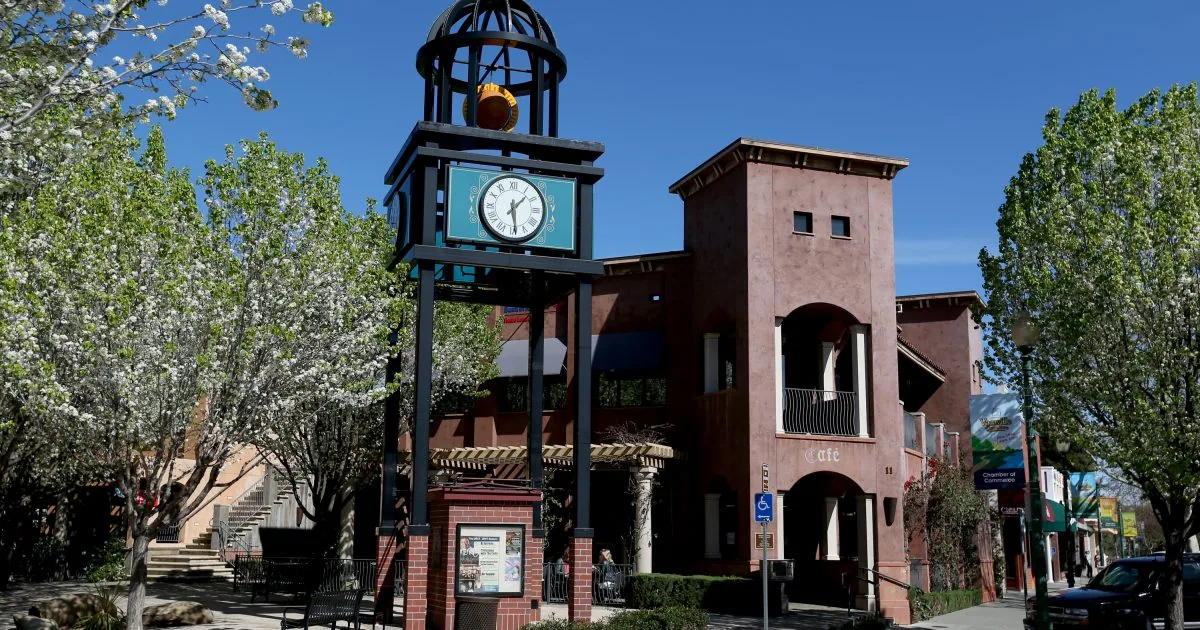
Commercial roof repair, inspections, replacement, and maintenance in Vacaville, with mapped findings and scopes planned around each building's use.
Vacaville’s commercial properties range from established buildings to proposed development, with business and industrial areas located near I-505 and the North Village area. A citywide description does not reveal the assembly, age, access route, or drainage at any particular roof. We start with the property address, plans if available, reported leak locations, and the contact who can authorize access. On site, we identify the installed system and trace water through its actual slopes and outlets. Climate records, including a heat advisory that named Vacaville, guide questions about exposure but never substitute for the roof inspection that sets a repair boundary.
Read each roof by its building use
For a Vacaville inspection, send the property address, roof plan if available, and the location and timing of each reported leak. Identify who can open the building, approve a test area, and discuss work near equipment or occupants. On site, the survey follows the reported path to the nearest seam, curb, wall, or drain and records what can be seen before any opening is proposed. A commercial roof inspection separates the observation from the diagnosis and notes what additional testing could change the repair boundary.
Account for heat and seasonal water
Vacaville’s commercial and industrial parcels have roofs with different outlet layouts, even when they sit near the same business area. Follow each slope from high point to drain or scupper, check the bowl and overflow, and compare standing water with the roof plan. A low spot can be a slope issue while a wet ceiling below it may trace back to a separate penetration. Keep the two findings distinct. If the repair can stop at dry, stable membrane, a bounded repair scope may be appropriate; confirm the layers beneath before committing to that limit.
Trace water to an outlet
Water left at a drainage low point can keep insulation and seams exposed after the surrounding field has dried. We check the drain bowl, strainer, flashing, overflow, and slope before writing a correction. Clearing debris may help where the outlet is blocked, but a depression that holds water can need a different solution. We note whether tapered insulation, a drain adjustment, or a deck review would change the water path, and keep each item separate in the proposal. At a building near Nut Tree Road or the I-505 corridor, the city context does not tell us how that roof is sloped. The inspection does. Owners can review drain and scupper work alongside scheduled maintenance when routine checks and a defined correction are both needed.
After a leak visit, the owner should receive a map mark, photographs, the material identified, and a note describing the repair limit. Separate immediate protection from permanent correction if the roof cannot be closed in during the first visit. Where a drain or overflow is involved, show how water reaches the outlet and whether debris, slope, or a loose connection contributed. For a replacement discussion, list what the inspection confirmed and what remains hidden until tear-off. This record lets a property manager compare work at multiple Vacaville buildings without assuming they share an assembly or history. It also gives the next technician a precise point to revisit if the condition returns.
For a service visit, note whether the leak is active, whether a prior repair is visible, and whether the interior report aligns with the roof zone above it. If the source is uncertain, define a limited test point and record the observation before the opening is closed. The owner can then distinguish emergency protection from the permanent scope.
Match the material to the assembly
Vacaville properties may have different roof systems even when they share an industrial address or owner. A heat-welded sheet, rubber membrane, multi-ply assembly, or standing-seam roof needs repairs compatible with its existing layers. We identify the system, check attachment and substrate condition, and specify how the new work will tie into edges, walls, equipment curbs, and drains. A TPO system or modified-bitumen assembly is considered from the building's actual requirements, not from a citywide preference. If a second layer is proposed, we review moisture, attachment, added height, and the detail at each transition before recommending a recover. A recover assessment states what can remain and what would need to come out.
Set the close-in window before removal
Open-roof time is a sequencing decision. We confirm who can authorize access, identify interior areas that need protection, and divide removal into sections that can be dried in within the available shift. If equipment, deliveries, or production schedules limit the work area, the sequence should reflect those limits before materials are removed. The winter rainy season described for the southern Sacramento Valley makes weather protection and substrate readiness relevant to close-in, but no seasonal description predicts a particular workday. We check current conditions and leave temporary protection details in the plan if work must pause. For an operating property, occupied-building work coordinates access and daily boundaries around confirmed operations.
Connect the city to its commercial areas
Business and industrial-park areas lie near I-505 and North Village. Downtown Vacaville’s Business Improvement District supports economic activity among more than 450 businesses. These locations can organize dispatch and records; inspection notes stay attached to each building. We can organize visits by the North Village area or Downtown Vacaville, then keep photographs, roof plans, access notes, and repair limits tied to each building. For an owner managing several locations, roof asset records can carry those details forward without flattening different assemblies into one portfolio rating. The point is a useful record: where we looked, what we found, what remains open, and which action follows. A maintenance contact can use that map to return to the same drain or curb, compare the new photograph, and tell whether the earlier correction remains stable. If the assembly changed after equipment work, we update the notes before making a broader roof recommendation.
Choose a next step from observed conditions
A localized opening with dry, firmly attached layers may support a repair. Repeated seam failures, wet insulation across separate zones, or an unstable deck can point toward a broader replacement review. We show the condition that moves the repair boundary and separate confirmed work from an allowance that depends on opening the assembly. The city adopted the 2025 California Building Standards Code in November 2025; a proposed project needs its applicable code review, while the adopted edition is not a roof diagnosis. We photograph concealed conditions if tear-off changes the scope, then seek direction before the next layer closes. Share the leak location, roof records, and operating window, and we can inspect the Vacaville property and prepare a clear repair or renewal choice.
Questions Owners Ask
What should I share before a roof inspection in Vacaville?
Send the roof plan if available, leak locations and timing, prior repair records, access contacts, and any operating window that limits roof work. We use those details to plan a safe walk and identify which observations need a closer check.
Does a hot weather advisory mean a roof has heat damage?
No. The advisory forecasts regional conditions. We inspect seams, edges, curbs, and the receiving surface, then connect observed movement or separation to a repair decision.
Can you repair a commercial roof without replacing it?
A repair is considered when sound membrane and stable layers provide a suitable boundary. If moisture, attachment failure, or deck deterioration continues beyond that area, we document what additional work or testing could change the recommendation.
How do you work around an operating business?
We confirm access, deliveries, equipment needs, interior protection, and the shift available for removal and close-in. The plan is built with the property contact for that building, then adjusted if the opened assembly differs from what the inspection showed.
What happens when a roof holds water after a repair?
We inspect the outlet, flashing, overflow, nearby slope, and membrane rather than assuming a patch will correct the low point. The scope may call for outlet work, insulation changes, or a separate deck review, depending on what the roof shows.
Related Roofing Work
- Commercial Roof Inspection in Vacaville, CA
- Commercial Roof Repair in Vacaville, CA
- Commercial Roof Drain and Scupper Repair in Vacaville, CA
- Commercial Roof Maintenance in Vacaville, CA
- TPO Roofing in Vacaville, CA
- Modified Bitumen Roofing in Vacaville, CA
- Commercial Roofing in North Village, Vacaville, CA
- Commercial Roofing in Downtown Vacaville, CA
Share the leak location, roof history, and operating window. We will inspect the Vacaville assembly, photograph the details, and identify a repair boundary or the next test needed before replacement planning.