Commercial Roofing for Manufacturers in Vacaville, CA
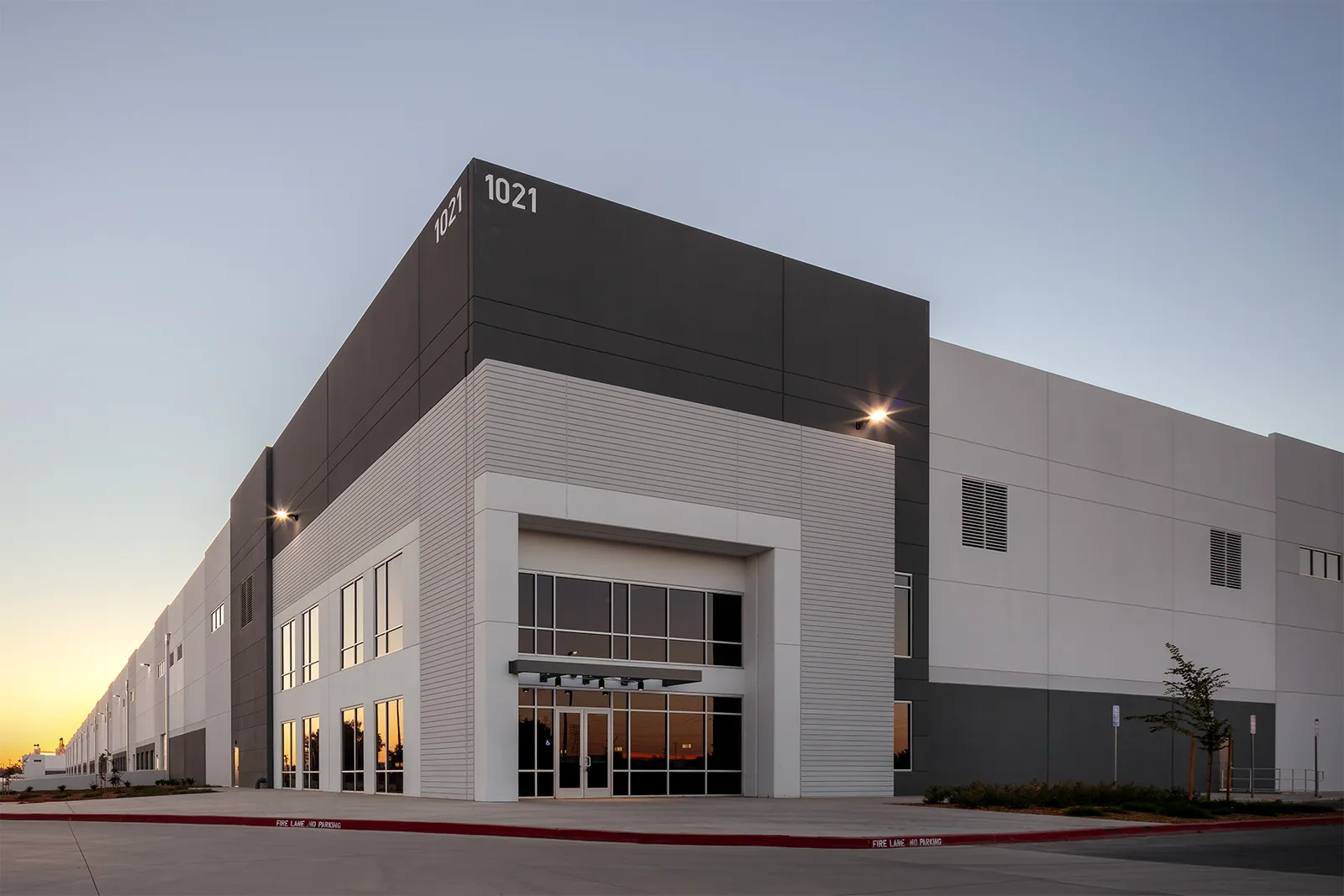
Plan Vacaville manufacturing roof repairs around equipment curbs, moisture boundaries, production access, and the time needed to close each section.
An NWS heat advisory listed Vacaville for very high daytime temperatures and warm nights in Central Solano County. That makes sheet movement and exposed transitions worth inspecting on an industrial roof. It does not show whether a particular building has a leak. We check the seams, fastener pattern, curb flashing, and drainage low point, then decide whether a targeted test could change the repair. The City identifies advanced manufacturing, industrial production, biotechnology, and logistics among its sectors, so roof work may meet sensitive equipment or a production schedule. The scope must still come from the actual assembly and the owner’s access limits, with a close-in window that protects the building before material is removed.
Keep process areas in the work plan
Before a roof opening, we confirm which production areas, material routes, and utilities sit below the proposed work zone. The facility contact identifies the interior controls and the shutdown authority; we record the roof boundary, protection method, and planned close-in time. If a process line cannot be interrupted, the work can be divided into sections that are prepared and secured within the approved window. We do not assume that a site can receive a crane, stage materials, or enter a clean area on a given day. A phased occupied-building sequence makes those decisions explicit before tear-off and gives the team a stop point if conditions change.
Production continuity also affects repair choice. A small opening may support a targeted repair if the surrounding sheet remains bonded and the receiving surface is dry. If testing finds moisture beyond the visible symptom, the team needs to decide whether to extend removal or protect the line below while a larger scope is priced. We map the proposed boundary to the roof plan so the operations lead can confirm what is affected and the project manager can keep the work area separate from active routes.
Verify the layers around equipment
Manufacturing roofs can carry large ducts, exhausts, pipe supports, and equipment curbs, but the layout must be inspected at each building. We note the membrane, attachment, insulation, cover board, deck, and the details that can be observed. At a curb, the flashing should turn up to a stable height and remain connected where equipment service can disturb the membrane. If added insulation changes that height, the scope identifies the extension and edge work before installation. A curb and support repair can be planned with the mechanical trade so a new roof detail does not depend on a base that still moves.
Vacaville’s city planning materials identify business-park and industrial land uses near I-505 and North Village. The location is useful when arranging access and production conversations; it does not establish an assembly or condition on a specific property. We check the deck and receiving surface before specifying a patch, coating, recover, or replacement. Where documents identify a known membrane, we confirm it against field conditions before selecting compatible flashing and repair materials. A TPO assembly or a built-up roof needs details suited to its own seams and layers.
Find the wet boundary before closing in
Water at a production ceiling can travel from an opening across the deck or along insulation before it reaches the floor. We trace the likely path to nearby seams, drains, curbs, and edge metal, then mark the roof areas that need testing. Infrared scanning may help select a test location, but a targeted opening verifies the layer condition where the finding changes removal. We label dry and wet material separately and identify what was not tested. The owner can then compare a repair to sound receiving material with removal of a broader zone instead of pricing from an interior stain alone. For a closer roof review, an assembly inspection records those conditions and the access needed to confirm them.
The City reported that four companies acquired over 120 acres in Vaca Valley Business Park for new biomanufacturing facilities. That is development context, not proof of finished construction or a roof condition. We inspect the property in front of us and document any owner-identified project interface, such as a planned curb or exhaust relocation.
Follow the water, not just the stain
Manufacturing roofs can have multiple drainage fields around equipment, screens, and service paths. We walk toward each drain or scupper, check whether strainers are secure, and note ponding that delays drying near a seam or patch. The roof plan should show which field feeds an outlet and whether a curb or later repair interrupts the path. A drain repair may need to be priced separately from membrane work when the outlet body or connected system is part of another trade’s scope. We can define drain and scupper work with the repair boundary so water leaves the intended area after the roof is closed.
Vacaville identifies logistics and distribution alongside industrial production. If a site receives or ships product, the owner confirms loading, staging, and delivery windows before we set the lift plan.
Compare repair with renewal
A repair remains practical when the failed section is defined, the neighboring membrane is bonded, and the patch can end at compatible receiving material. Repeated seam separation, widespread wet insulation, a poor fastener pattern, or a compromised deck can move the decision toward replacement. We check those conditions before recommending a coating. A coating can protect a compatible, prepared surface, but it will not reconnect a split seam or dry concealed layers. A restoration evaluation identifies the preparation, reinforcement, and drainage corrections included in the proposal.
Production access can matter more than nominal roof area. We confirm lines, intakes, vents, and service paths that need protection, then agree which zones can open during each shift. The scope states temporary dry-in, interior safeguards, and when work stops if the deck differs from records. A clear sequence lets the plant contact coordinate maintenance with roofing crews and protect the next production window.
Record what the next shift needs to know
At closeout, we record roof zones, materials, repairs, drainage corrections, photos, and any area that remains outside the scope. If an opening exposed additional wet insulation or deck damage, the record should show the change and the approved repair boundary. That gives a facility manager a basis for scheduling the next inspection without treating the new assembly as a blank slate. A condition report can preserve the evidence for capital planning. A logistics operator can track its locations while a property manager roof register keeps each building’s service history distinct. Near Vaca Valley Business Park, a roof record should still name the individual building and access contact; the district is not a substitute for a facility inspection.
A maintenance plan can recheck seams, curbs, and outlets, with new findings kept separate from prior repairs. The roof map should travel with the access contact and any shutdown rule. If a later leak reaches a repaired zone, the record shows whether it follows the old boundary or a different transition.
Questions Owners Ask
How do you keep roof work from interrupting production?
We coordinate the roof zone, interior protection, equipment access, and close-in window with the facility contact before opening the assembly. The owner identifies restricted routes and shutdown authority, and we sequence work only within those approved limits.
Can one leak show that insulation is wet across the plant?
A leak identifies a symptom, not the full wet boundary. We trace the path and test where a concealed layer could change removal; the report separates confirmed wet areas from untested sections.
What should happen before a new exhaust or curb is added?
The mechanical and roofing scopes need a stable support, finished opening, flashing height, and sequence for closing the membrane. We identify the handoff and protect the roof until the penetration detail is complete.
When is a coating a reasonable manufacturing roof option?
A coating can suit a manufacturing roof when the existing surface is compatible, firmly attached, and ready for preparation. We test seams, moisture, and drainage, then define any patching and reinforcement. If the assembly is wet or unstable, the report compares a different repair or renewal approach.
What is useful in a post-project roof file?
Keep the repaired zones, materials, photos, drainage work, tests, access notes, and unresolved items together. We record concealed conditions that remain unconfirmed so the next decision starts with the right limits.
Related Roofing Work
- Occupied Commercial Building Reroofing in Vacaville, CA
- Commercial Rooftop Equipment Curbs and Supports in Vacaville, CA
- TPO Roofing in Vacaville, CA
- Commercial Roof Drain and Scupper Repair in Vacaville, CA
- Commercial Roof Coating Restoration in Vacaville, CA
- Commercial Roof Condition Reports in Vacaville, CA
- Commercial Roofing for Logistics and 3PL in Vacaville, CA
- Commercial Roofing for Property Managers in Vacaville, CA
Share the facility use, leak map, roof records, equipment restrictions, and access limits. We will inspect the assembly and outline a repair or renewal scope with confirmed protection and close-in points.