Commercial Roofing for Logistics and 3PL in Vacaville, CA
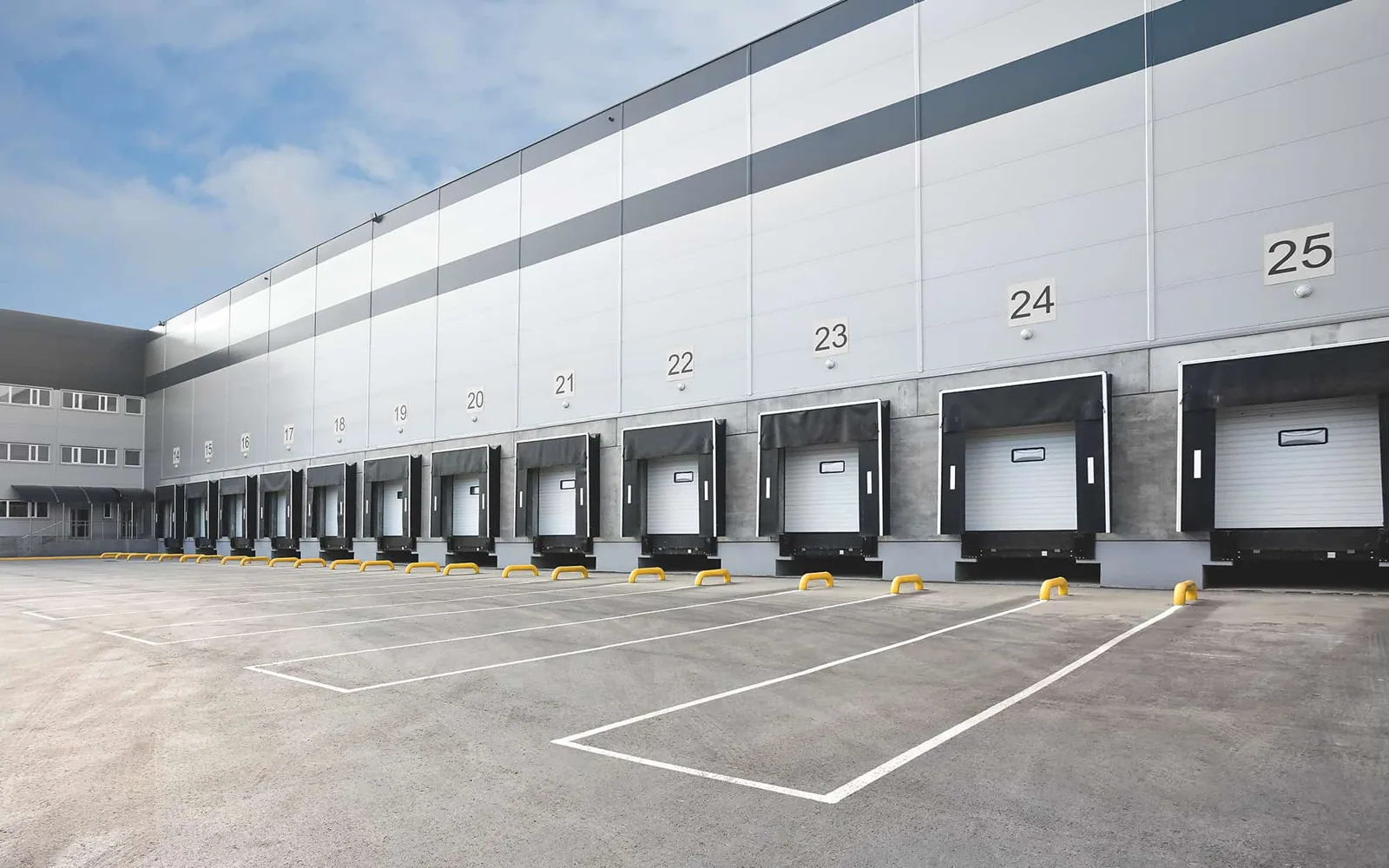
Coordinate Vacaville warehouse roof repairs with dock activity, drainage checks, equipment access, and defined close-in windows for each building.
A distribution roof plan must protect the work area without blocking the operation below. We begin by mapping doors, dock lanes, rooftop access, and the dispatch periods the site contact needs to preserve. The inspection identifies the assembly, drainage path, seam condition, and any moisture that could expand the opening. We then divide the scope into zones with a stated daily close-in point. That lets the operator assess when a crew can work, what area needs interior protection, and which route must remain clear during each phase.
Keep the dock plan visible
Before mobilization, we confirm which dock doors, truck paths, pedestrian routes, and exterior staging areas the property team needs to keep open. A crane, material drop, or roof access route can affect a shift even when the roof is a long way from the loading bay. We document the approved approach, the hours available, and the person who can release each work area. If the site cannot pause a route, the crew can divide the roof into sections that are prepared and closed within an agreed window. A phased occupied-building plan ties the roofing work to the dispatch schedule without treating every operational limit as the same.
Trace drainage before the next shift
Broad roof fields can hold water at low points, around rooftop equipment, or where a prior patch changed the surface. We follow runoff toward each drain and scupper, check strainers and overflow paths, and mark areas that stay wet after the rest of the roof dries. A slow outlet can keep a seam repair exposed to moisture and can complicate close-in after an afternoon shower. We document the outlet separately from the membrane defect so the proposal does not merge two causes into one vague patch. For a defined correction, drain and scupper work can be priced alongside the roof repair.
Vacaville identifies logistics and distribution among its target economic sectors. That city-level information gives context for scheduling, but it does not establish the roof layout or operation at an individual building. We verify the actual membrane, insulation, and drainage pattern, then note where the property contact wants truck traffic kept clear. At a site near the Vaca Valley Business Park, the roof record still names the building and its approved access route rather than relying on a business-park label.
Verify the roof system at every zone
One warehouse can have more than one roof section, a later addition, or an old repair that uses a different material. We check the membrane and edge details by zone, review available records, and mark transitions where equipment penetrates the surface. If a new attachment or recover is being considered, we verify existing layers, moisture, deck condition, and added weight before the owner compares options. TPO roofing and EPDM systems have different seam and flashing methods; the assembly record should identify which system is present before compatible repair material is selected.
At a curb, we examine the membrane turn-up, counterflashing, fasteners, and base condition. Later HVAC service can disturb a flashing or leave abandoned equipment openings to close. We coordinate any support or curb change with the mechanical trade before the roofing crew installs new membrane. If insulation raises the roof plane, the detail must still reach a stable curb height and keep water out of the transition. A curb and support scope makes that interface a defined item instead of an assumption hidden inside a field repair.
Set a defensible repair limit
A leak may enter at a seam and travel before reaching an inventory or office area. We check the roof path above the reported location, look at the lap and nearby penetrations, and identify whether moisture extends beneath the visible surface. A targeted scan or core can help resolve that question where the result changes removal. We mark the tested points and leave untested zones visible in the report. A localized patch may work when the sheet is attached and surrounding material is dry; broad wet insulation or a weak deck can require a larger repair or replacement. The inspection record shows which condition supports each choice.
Quantity control depends on connecting each repair to a marked roof zone. We trace the observed defect to adjacent laps, penetrations, drains, and transitions, then note where sound material provides a practical termination. If moisture readings or a test cut are needed, the proposal states how those results could change the boundary. The owner can review a contained repair against a larger renewal option using the same map, rather than comparing estimates built from different assumptions about affected area.
Compare renewal with the operating calendar
Replacement timing is shaped by tear-off depth, weather protection, disposal, insulation, deck repair, and the amount of roof the crew can close in one work period. A recover may reduce some removal but only when the existing layers are stable, sufficiently dry, and able to carry the added assembly. We check drain and curb heights before including it. A recover evaluation should state the test results, attachment assumptions, and the point where removal becomes necessary. If the existing roof cannot accept a new layer, the proposal separates tear-off and any concealed condition allowance from the installation task.
For a high volume facility, production rates have to fit both the crew’s safe working limits and the site’s release windows. We identify when deliveries can arrive, whether a lift or crane needs a reserved location, and what work can be closed before the operation resumes. The daily report records completed zones, remaining openings, weather protection, and the next required handoff. If the roof reveals a condition outside the approved scope, the team can pause that area and document the decision before additional material is removed.
Leave the next shift a clear roof map
At completion, the site team needs to know where the repair ended, what material was installed, which drains were addressed, and what remains outside the work order. We attach photos to roof zones, record moisture test locations, and identify any curb or edge detail that should be reviewed on the next visit. If a later leak appears near the prior work, the manager can distinguish a recurrence from a new opening. A roof condition report keeps that map connected to future budgeting and service decisions.
Vacaville’s industrial and logistics areas include business-park land uses near I-505 and North Village; operations still differ from one roof to another. A manufacturer may have different shutdown rules from a property manager coordinating several leases, but each roof file should answer the same practical questions: what was inspected, what was repaired, what remains uncertain, and who can approve the next access window. That makes a maintenance visit easier to schedule around loading and gives the owner a sound basis for comparing work across sites.
Questions Owners Ask
Can roof repairs proceed while shipping continues?
We set the roof zone, lift path, staging area, and close-in period with the site contact before work begins. If a dock or route must remain open, the scope can split work into sections that fit the approved operating window.
What do you check when water appears above stored goods?
We connect the interior report to the roof area, then inspect the nearby seams, curbs, drains, and prior repairs. Testing identifies whether hidden moisture extends beyond the visible symptom and changes the removal boundary.
How do you handle roof access at a multi-tenant distribution property?
The property representative confirms who controls the roof, interior protection, and tenant notice. We record the approved route and handoffs so a crew does not treat a shared loading or service area as available without permission.
When should a warehouse owner compare recover with replacement?
A recover needs stable attachment, dry layers, acceptable added weight, and enough curb and drain height. We check those conditions and compare the result with removal when hidden moisture or a damaged deck is present.
What should a logistics roof closeout show?
Keep the zone map, repair materials, photos, drain work, test points, and open conditions with the work record. We name areas that were not accessed so the next shift can plan a specific follow-up.
Related Roofing Work
- Occupied Commercial Building Reroofing in Vacaville, CA
- Commercial Roof Drain and Scupper Repair in Vacaville, CA
- Commercial Roofing in Vaca Valley Business Park, Vacaville, CA
- TPO Roofing in Vacaville, CA
- Commercial Rooftop Equipment Curbs and Supports in Vacaville, CA
- Commercial Roof Inspection in Vacaville, CA
- Commercial Roof Recover and Overlay in Vacaville, CA
- Commercial Roofing for Manufacturers in Vacaville, CA
Send the building use, leak locations, roof records, delivery windows, and access limits. We will inspect the assembly, define the repair boundary, and document the close-in plan for review.