Commercial Roof Edge Metal, Coping, and Gutter Service in Vacaville, CA
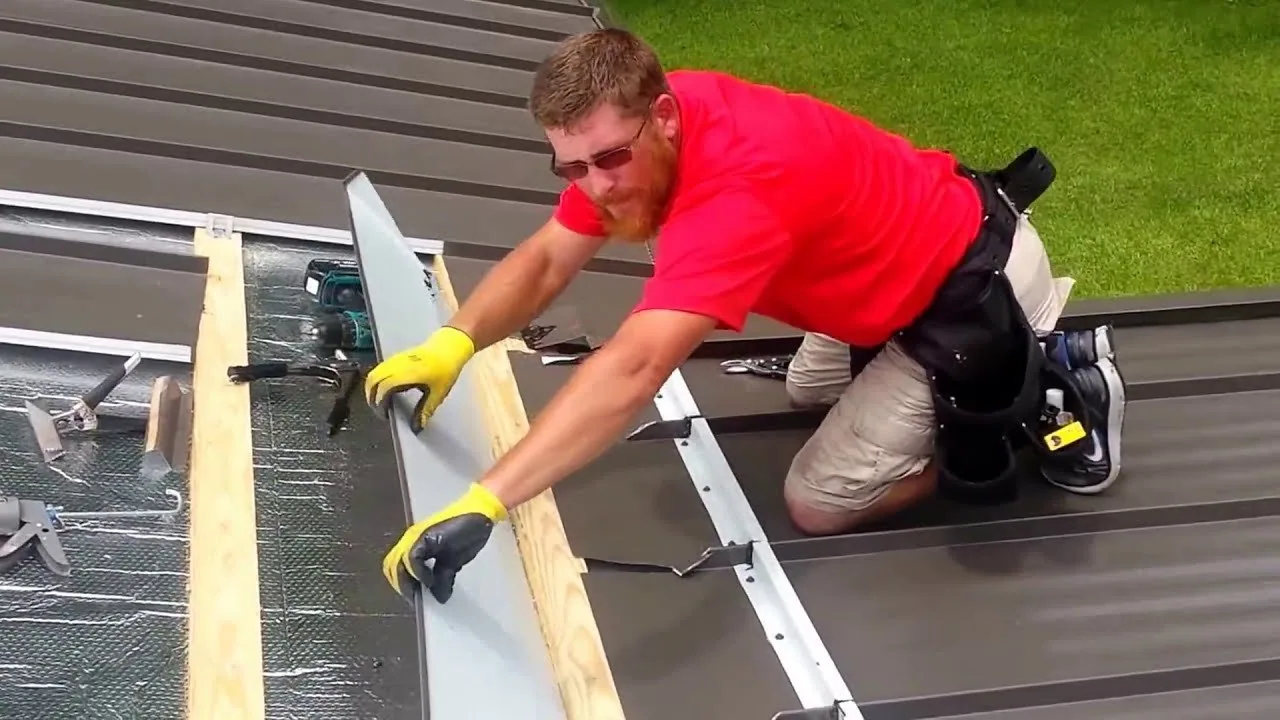
Inspect Vacaville commercial roof coping, edge metal, gutters, and downspouts, then document secure transitions and the full route for runoff.
A metal cap that shifts during a heat cycle can strain the flashing underneath before an owner sees water on the wall. Warm, dry summers and winter rain in the neighboring southern Sacramento Valley make that junction worth examining through changing conditions. For a Vacaville, CA, building, we start with a defined question: is runoff escaping the gutter, entering a coping joint, or reaching a failed membrane termination? Each path calls for a different correction. We compare the wet location with the roof edge above it, then inspect the connection that receives water. A commercial roof inspection identifies which component has failed, how the adjoining material is holding, and what must be exposed before a price can include concealed preparation.
The joint needs room to move
A coping cover protects the parapet top, but its joints must accommodate expansion without transferring every movement into the roofing. Consider a stained wall beneath one splice: the inspection follows the joint across the wall top and checks the membrane return below it. A cap can remain visually straight while its concealed support has released. We examine accessible connections and ask whether a small approved opening would distinguish a loose cover from damaged receiving material.
That distinction sets the repair boundary. Reusing sound metal requires attachment and joint details suited to the installed assembly; damaged backing needs preparation before the cover returns. The Downtown Vacaville district includes businesses across many industries. At an occupied property there, we confirm whether inspecting the outside parapet face needs a separate work position from examining its roof side. North Village remains a planned area, so its development context cannot identify an existing building's coping detail.
The hidden return matters
Once the cap connection is understood, we follow the membrane to the point where it ends against the wall or metal. Sheet movement can concentrate at a rigid termination, especially where earlier patches have reduced the flexible area available beside it. We inspect the bond line, the condition of the supporting surface, and any fastener holes or wrinkles leading toward the reported leak. The question is whether the connection can be rebuilt on the material already present.
A localized roof repair can restore a short failed transition when a stable receiving surface continues beyond it. If opening the detail reveals softened backing or damp insulation, we photograph the layers and measure the additional preparation before closing them. A coating restoration review follows that repair decision: the coating needs a suitable base, while the metal connection needs the attachment and movement detail appropriate to the roof.
Overflow needs a traced cause
A wet stripe below a gutter end can look like a leaking seam even when runoff is spilling over from farther along the channel. We begin at that stripe, follow the channel toward its outlet, and compare the gutter bottom with its supports. A sag between brackets can retain sediment; an outlet restriction can raise water along an otherwise straight section. Those observations distinguish cleaning from rebuilding a supported drainage low point.
We examine the outlet mouth and the accessible downspout connection before assigning work below roof level. A concealed obstruction calls for the appropriate drainage investigation, with its location and purpose identified separately. A drain and scupper review also checks whether an upstream roof outlet is delivering water into the affected gutter. Along the industrial corridor between Vaca Valley Parkway and Midway Road on I-505, the building operator identifies receiving areas that cannot be obstructed while the outside channel is examined.
Replacement follows the assembly
Removing one damaged gutter length changes the connections at both ends. Before ordering metal, we measure the channel profile, its position below the roof, the support arrangement, and the receiving material behind each bracket. Corrosion at a bracket seat can make the fastening task larger than the visible channel replacement. A distorted outlet can also require a different junction from the sound straight run beside it.
Panel roofs add another interface. The eave closure, panel rib, and gutter position need to work together without trapping runoff or restraining movement the panel system requires. A standing-seam system review identifies that connection before a replacement gutter is fixed in place. Vacaville targets advanced manufacturing and logistics among its economic sectors. For an operating property, we ask which equipment and delivery activities affect access to the measured edge, then price those arrangements alongside the confirmed metal work.
The opening sets the work window
The removal sequence starts with the length that can be disconnected, prepared, and made watertight within the available close-in window. Taking off coping exposes a different surface from removing a gutter beneath an intact roof edge. We identify what protection each opening needs and where work must stop if the backing is worse than expected. The owner receives a measured base task and the finding that would trigger additional preparation.
Exterior access is planned from the selected work position. The building contact confirms the space available for equipment and the occupied area beneath the edge; we determine how each removed piece can be controlled from that position. If a public entrance or delivery area conflicts with the operation, that section gets an agreed restriction or a different work period. A phased work plan records those boundaries so the next section begins only after its access and temporary weather protection are ready.
The return visit has a question
After correction, we revisit the observation that started the job. At a formerly sagging gutter, the check concerns support, remaining low points, and passage into the outlet. At a coping splice, it concerns the rebuilt connection and the adjoining membrane return. The record identifies what was exposed, what preparation was accepted, and which components were retained. A condition report puts those decisions beside photographs of the opened detail and finished construction.
If the interior remains wet, a separate leak investigation compares the current report with the corrected outside connection before another repair is proposed. Cost depends on the preparation discovered, replacement lengths, junctions, and equipment needed to reach them. An unresolved downstream obstruction or inaccessible wall connection stays assigned to a defined next check. The owner can distinguish a completed edge repair from another part of the water path still requiring attention.
Questions Owners Ask
What should be recorded before a coping cap is disturbed?
Mark the stained area, then photograph the cap run, splices, corners, cleats, and roof-side return. Note visible movement, open joints, old patches, and anything concealed. This baseline supports a limited opening if needed; it does not assume the coping caused interior moisture.
Which conditions may let a gutter remain in place?
A sound channel may be retained when its shape, supports, joints, and outlet still carry runoff without a persistent low point. After debris is cleared, observe how water leaves the section and check for a loose hanger or separated joint. Measure a local correction before assigning full-run replacement.
How do you inspect the membrane beneath a coping termination?
Trace the roof-side return from firm material toward the suspected entry, checking its bond, fasteners, wrinkles, and receiving surface. Where the connection is concealed, describe the limited opening needed to see it. If backing is soft or damp, include removal and preparation to sound material in the repair scope.
What needs agreement before work above an active entrance begins?
Set the exterior work position and mark the path below that must remain clear. Then define the length that can be opened, protected, and closed within the available work window. Equipment placement, debris control, temporary weather cover, and a stop point for unexpected backing conditions belong in that sequence.
How can an owner separate edge closeout from a remaining leak?
Compare the finished-junction photos with the original moisture location and note any area that was inaccessible. If water persists beyond the repaired boundary, trace that route separately rather than treating the coping or gutter as the only possible entry. Keep the corrected work and the next test as distinct items.
Related Roofing Work
- Commercial Roof Inspection in Vacaville, CA
- Commercial Roof Repair in Vacaville, CA
- Commercial Roof Coating Restoration in Vacaville, CA
- Commercial Roof Drain and Scupper Repair in Vacaville, CA
- Standing Seam Metal Roofing in Vacaville, CA
- Occupied Commercial Building Reroofing in Vacaville, CA
- Commercial Roof Condition Reports in Vacaville, CA
- Commercial Roof Leak Repair in Vacaville, CA
Share where a cap is loose, water is overflowing, or a leak has appeared. We will inspect the perimeter transition and discharge route, then document the correction, access needs, and any test beyond roof-side observation.