Commercial Roofing for School Districts in Vacaville, CA
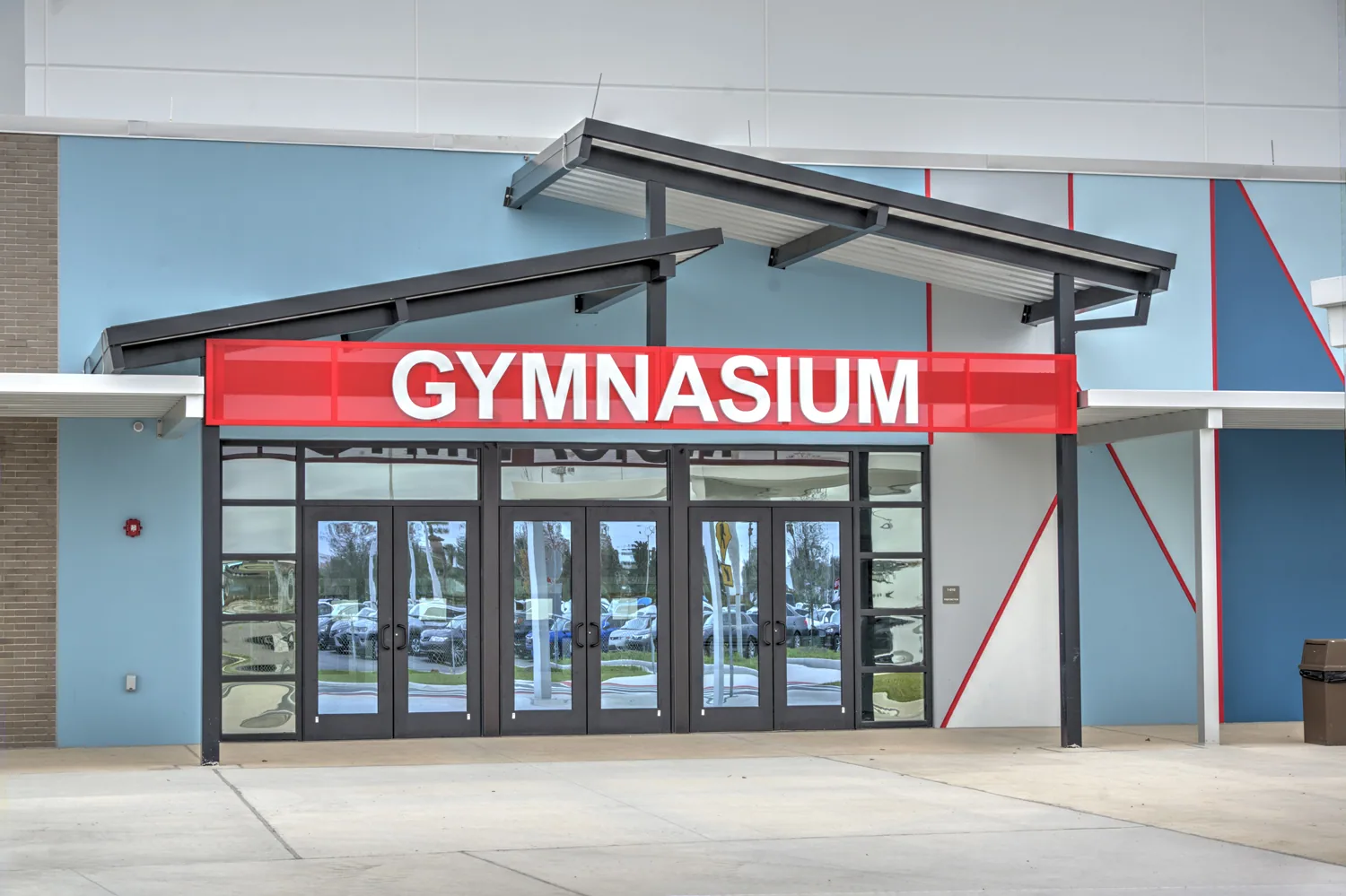
Plan Vacaville school roof repairs and renewal around academic calendars, moisture testing, classroom protection, and the close-in window.
Before a school roof is opened, the facilities lead should know which building and interior area are affected. We trace the reported water path across seams, curbs, walls, and drains, then compare the observations with the roof record. A ceiling mark alone does not set the repair boundary. The inspection notes test points, access limits, and whether the work can fit a break or requires a protected zone during school hours. That gives the district a specific next step without assuming that every campus has the same assembly or operating plan.
Fit work to the school calendar
A roof project must use the access and shutdown windows the district approves. We confirm arrival routes, loading areas, occupied wings, mechanical access, and any event or testing dates that limit noise or material movement. A summer break can allow broader work, but it does not eliminate weather protection or close-in requirements. If repairs need to occur during instruction, we divide the scope by roof zone and identify who releases each area. A phased occupied-building plan can show how the opening, interior protection, and daily closeout fit the approved schedule.
Each school building carries its own access and assembly record. We identify which roof zones can be reached, where equipment is located, and what interior area needs protection before lifting material. If a kitchen, gym, or office is in the work sequence, the district contact confirms service hours and restricted routes. The written plan notes the person authorized to pause work if an operation changes. That helps the site team coordinate roof work without assuming that a building is empty simply because classes are out.
Trace water beyond the room below
A ceiling tile can show where water surfaced, but the roof opening may sit at a seam, penetration, or wall transition some distance away. We check the membrane above the reported room, follow slope toward drains, and inspect nearby curb flashing and edge metal. A targeted moisture scan or test opening can help establish whether wet insulation ends at the visible symptom or extends into another roof zone. The report marks confirmed conditions and leaves untested areas distinct. A roof inspection gives the district a repair boundary and the evidence behind it.
Facilities staff often need to align roof work with maintenance and trade availability. We document the deck, insulation, attachment, drainage, and equipment transitions so the district can identify which skills or shutdowns a proposed scope requires. If a test opening exposes a condition that changes the work, the report marks its location and records the result before quantities are revised. That record supports scheduling and budget review while keeping each school’s condition attached to its own building file.
Check the details that hold the assembly
At a parapet, curb, or roof edge, membrane movement can work against fasteners and bonded flashing. We inspect lap edges, terminations, metal securement, and the receiving surface around each penetration. When a patch is proposed, it must tie into clean, compatible material and stop where the surrounding sheet remains stable. A coating is not a repair for an open seam or wet insulation beneath the surface. The district receives a scope that names the failed interface and the work needed to close it. If the assembly is TPO or EPDM, TPO details and EPDM details can be reviewed against the system found on the roof.
Drainage is another detail that deserves a route, not a generic note. We walk the field to drains and scuppers, check strainers and overflows, and record ponding that can hold a repair wet. A blocked outlet and a seam failure may need separate work lines so the district can see which condition is being corrected. Where a drain body or scupper connection is involved, drain repair can be coordinated with the membrane scope and roof access window.
Compare repair with a capital project
A localized repair may fit when the surrounding membrane is bonded, moisture remains limited, and the patch can end at sound material. Repeated leaks across separate zones, wet insulation, a weak deck, or widespread seam movement can make replacement the better comparison. We inspect test results, roof records, and visible attachment before recommending removal. For a maintenance program, we also note drains, edges, and prior repairs that should be checked during the next visit. The district can separate immediate water protection from the longer capital choice.
A school proposal should show the district how daily work can be secured before students return to the building. The district can also group compatible work by calendar while keeping each roof map and approval record separate. We define the roof zone, interior protection, material route, temporary dry-in, and inspection point for each phase. Pricing identifies separate allowances for deck repair, disposal, equipment handling, and weather response where those items cannot yet be confirmed. The project team can then compare bids against the same sequence and decide which unknowns need a site check before award.
Give facilities a building-level record
At closeout, we document the repaired roof zone, materials, photos, moisture test points, drainage work, and any area that was not included. That record helps a facilities team answer a later leak report without assuming the prior work covered the entire building. We identify the access point and operating contact for future inspection. For a district with school uses near North Village or commercial areas along the I-505 corridor, location context does not replace an individual roof assessment. It helps organize where a crew should arrive and which district contact can release the roof.
A public owner may need a roof file that supports a broader capital plan. A health system uses similar building-level records but its own access controls. The work record can show whether the assembly was patched, recovered, or replaced, where a test opening confirmed the substrate, and what question remains. A public agency portfolio can use consistent fields while retaining each building’s separate condition. If several school roofs are scheduled in one season, the district can group access planning without treating the inspections as one condition. We can return for maintenance when the roof map, school calendar, and approved access window are ready.
Questions Owners Ask
Can roof repair take place during the school year?
We can plan a defined repair around the district’s approved hours, access, and protection requirements. The work area and daily close-in point must be clear before materials are removed.
How do you decide which school roof needs work first?
We compare active water entry, interior exposure, roof condition, and the evidence for moisture beyond the visible area. The report separates immediate protection from renewal that can be planned for a later break.
Does a leak in one classroom mean the full roof is wet?
Water can travel before it reaches the room, but a stain does not prove the size of the affected roof area. We trace the path and test where concealed layers could change the removal limit.
What should a district include before a roof walk?
Provide the building contact, leak history, roof records, access route, calendar limits, and interior areas needing protection. We can then inspect the right zone and set a close-in plan that fits the site.
What details should the facilities file keep after repair?
Retain the roof-zone photos, materials, moisture points, repair boundary, drainage corrections, and unresolved items. We note inaccessible areas so they remain scheduled questions rather than implied inspection results.
Related Roofing Work
- Occupied Commercial Building Reroofing in Vacaville, CA
- Commercial Roof Inspection in Vacaville, CA
- TPO Roofing in Vacaville, CA
- EPDM Roofing in Vacaville, CA
- Commercial Roof Drain and Scupper Repair in Vacaville, CA
- Commercial Roof Maintenance in Vacaville, CA
- Commercial Roofing in North Village, Vacaville, CA
- Commercial Roofing for Healthcare Systems in Vacaville, CA
Share the building use, leak locations, roof records, district access contact, and the dates that limit work. We will inspect the assembly and map an approved repair or renewal sequence.