Acrylic Roof Coatings in Vacaville, CA
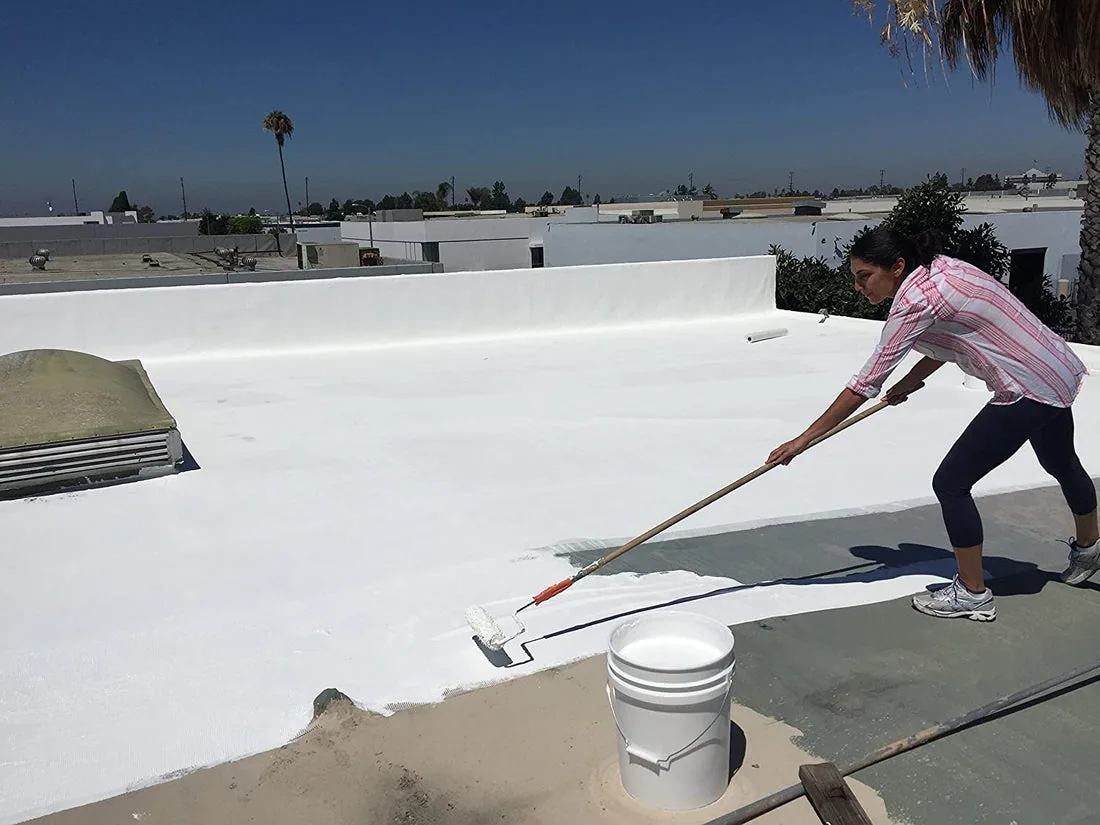
Assess acrylic roof coating in Vacaville, CA. We inspect slope, drainage, substrate adhesion, seams, and weather windows before preparing a restoration scope.
Acrylic roof coating work in Vacaville, CA, starts with a compatible, prepared surface and a drainage pattern suited to the product. Vacaville lies on I-80 between the Bay Area and Sacramento, near I-505. We confirm each building’s use and operating schedule before planning access. We inspect the existing membrane or metal, open seams, prior coatings, and the low points where water remains. Acrylic can form a reflective protective layer on a suitable roof, but it does not dry wet insulation or correct a depressed deck. A roof inspection checks adhesion and moisture before we recommend coating, repair, recover, or replacement. The scope identifies the areas that can be prepared and the conditions that need repair first.
Confirm the coating has a sound base
Acrylic coating bonds to a prepared substrate, not to loose granules, dirt, oils, or a weak prior film. We identify the existing roof material, clean a representative area, and perform a test patch where compatibility is uncertain. The cured sample is checked for adhesion and surface reaction. If the old coating lifts or the membrane is brittle, a new layer would follow that failure. We remove unstable areas, repair exposed seams and flashing, and map portions excluded from the coating. North Village includes planned commercial and business-park uses among residential, school, park, public, and open-space areas. We inspect the actual roof material, prior coating, and drainage before choosing an acrylic system. The roof itself determines whether an acrylic system can be considered. We record the test location, preparation, and cure conditions so the result can be tied to the same material that will receive the full application. If different roof areas have different membranes or prior coatings, each surface is evaluated separately.
Keep standing water in view
Acrylic coatings are generally better suited to roofs that drain than to areas with chronic ponding. We inspect the low point, locate drains and scuppers, and note how water moves after rain or cleaning. A blocked outlet can be cleared, while a soft or depressed area may need insulation or deck work to restore drainage. Coating over a basin can leave the water condition unchanged and may shorten the coating's service. A drain and scupper repair addresses an outlet detail, and a ponding-water repair reviews a broader low area. We separate those tasks from surface preparation so the owner can see which work changes water flow and which protects the field.
Watch cure conditions and coat thickness
The coating must be applied within its product temperature and moisture limits, then allowed to cure before dew or rain reaches it. We schedule cleaning, repairs, primer, and coating in a sequence that gives each layer suitable drying time. Humidity, shade, surface profile, and application rate affect the cure and final film thickness. A thin coat may leave high points exposed, while too much material at a seam can bridge a moving edge. We measure wet-film application and verify coverage at roof sections, parapets, and penetrations. The proposal states the number of passes, reinforcement details, cure windows, and weather limits. Cleaning, masking, test areas, and material staging also affect cost and timing. A high-profile roof surface or parapet return may use more material than a smooth field, so coverage is calculated from the condition and texture found during inspection. For an occupied building, we identify air intakes, service routes, and areas below the work so coating activity can be coordinated with daily operations.
Repair the details before the field
Open seams, cracked sealant, loose edge metal, and damaged flashing need attention before coating. We cut back unsound material and connect the repair to a stable receiving surface, then reinforce the transition when the specified system calls for it. A coating does not secure a loose termination bar or replace corroded metal. At a curb, we check flashing height and the condition of the unit support; at a skylight, we inspect the frame and drainage path. The edge metal scope can be coordinated with curb repairs so the field coat is not asked to bridge a moving detail. Each repaired area is photographed before the final coating covers it. We also keep drains temporarily protected during cleaning and application, then remove covers and confirm that outlets are open before leaving the roof.
Compare acrylic with silicone
Acrylic and silicone coatings have different strengths and limits. Acrylic is water-based and often selected for reflectivity and recoat options where drainage is adequate; silicone can be considered where a compatible surface experiences more persistent water. Neither choice is universal. We compare ponding, slope, roof material, prior coating, exposure, traffic, and how maintenance staff will keep drains open. A silicone coating may be the better product for some conditions, while a spray foam roof has its own substrate and protective-coat needs. In North Village, commercial and business-park uses appear alongside residential and public uses in the plan area. A planned property’s scope begins with the approved project documents; for an existing roof, we inspect the installed assembly before proposing a coating. For an existing building, we identify which roof areas have the same substrate and drainage so the proposal does not assume one coating fits every roof area.
Plan inspection after the coating cures
At closeout, record the coating product, primer, application date, measured coverage, repaired seams, and areas left outside the scope. Photograph drains and penetrations before coating closes over prepared details. The maintenance plan should keep debris clear of outlets and note later equipment work that may puncture or abrade the surface. A planned maintenance inspection can identify wear or a new opening before water spreads into insulation. We can prepare a photo-supported condition report that compares future findings with the coating record. For properties in Vaca Valley Business Park, share roof documents and the building schedule before we inspect so we can set a test-patch window and coordinate access around operating areas.
Questions Owners Ask
Can acrylic coating be applied over any commercial roof?
No. The existing membrane, metal, prior coatings, and their condition determine compatibility. We identify the substrate, clean and prepare a representative area, and test a patch when needed. Wet insulation, loose seams, or a failed prior coating needs repair or removal before an acrylic layer is considered.
Is acrylic coating suitable where water ponds?
Persistent ponding can be a poor fit for acrylic. We check drainage, outlet condition, and the depth and duration of low areas, then decide whether the geometry needs correction. If the roof still holds water, we compare a suitable product or a broader assembly repair rather than relying on coating alone.
How long does an acrylic coating take to cure?
Cure time depends on product, temperature, humidity, film thickness, shade, and airflow. We follow the product requirements and schedule work so dew or rain does not reach an uncured surface. The plan also allows time between cleaning, repairs, primer, and finish coats.
Will coating cover existing seams and patches?
Only after seams and patches are inspected and repaired. We check adhesion, movement, and moisture at those locations, then reinforce them as specified. A coating may protect a sound detail, but it should not hide an open lap or loose flashing that remains active below the surface.
What changes the price of a coating restoration?
Surface cleaning, test patches, repairs, primer, reinforcement, film thickness, access, and the number of coating passes affect the scope. Drainage corrections and metal work are separate items when needed. We document those conditions and show the areas to be coated so an owner can compare proposals on equivalent preparation and coverage.
Related Roofing Work
- Commercial Roof Inspection in Vacaville, CA
- Commercial Roof Drain and Scupper Repair in Vacaville, CA
- Ponding Water Roof Repair in Vacaville, CA
- Commercial Roof Edge Metal, Coping, and Gutter Service in Vacaville, CA
- Commercial Rooftop Equipment Curbs and Supports in Vacaville, CA
- Silicone Roof Coatings in Vacaville, CA
- Spray Foam Roofing in Vacaville, CA
- Commercial Roof Condition Reports in Vacaville, CA
Share the roof records, leak locations, and operating window. We will inspect the substrate, coating history, seams, drainage, and transitions, then define whether acrylic restoration fits the roof.