
Commercial Rooftop Equipment Curbs and Supports in Vacaville, CA
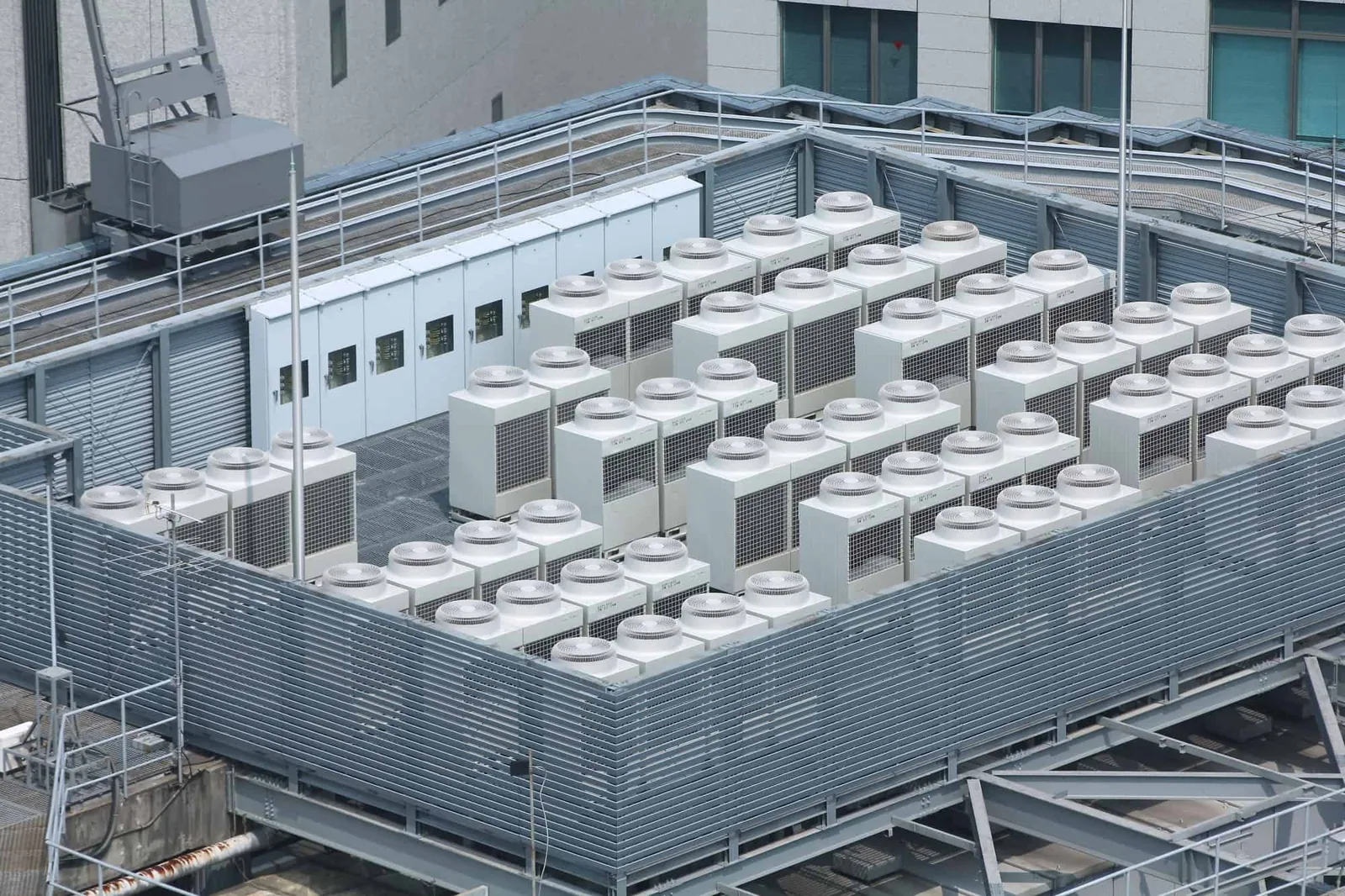
Inspect Vacaville commercial roof curbs, equipment supports, and pipe stands, then coordinate flashing, attachment, and close-in around rooftop work.
A rooftop unit depends on a coordinated interface: the curb carries the equipment, the deck and framing support the load, and flashing keeps water outside the assembly. Roof work should not begin until the mechanical contact confirms whether the unit stays, moves, or needs a lift. We record the curb dimensions, support locations, membrane type, and clearance for future service, then identify which trade owns each adjustment. Vacaville’s industrial corridor may help organize scheduling, but it does not determine structural capacity or curb condition. A commercial roof inspection can document the visible roof-side details before the equipment sequence is set.
Inspect the curb and its flashing together
A curb repair starts with the roof-side junction: membrane rise, corner treatment, flange, counterflashing, and the surface that will receive the new material. Measure each face and note whether fasteners or equipment conceal the termination. If a pipe boot sits nearby, include the distance to the curb so the detail does not crowd another penetration. A penetration flashing review can resolve nearby openings, but it does not substitute for checking the curb base and attachment.
Trace equipment loads into the deck
Before new equipment is ordered, match the support layout to the roof zones, deck, and drainage path. Record the unit footprint, service clearance, curb height, and each point where a support bears on the assembly. A load question belongs with the appropriate structural reviewer; the roofer documents the visible base and coordinates a membrane detail around it. Where thermoplastic sheet is installed, a TPO assembly review can confirm which compatible flashing method fits the observed system. Keep the equipment schedule and field dimensions together so fabrication uses the same reference.
Vacaville’s listed economic sectors include advanced manufacturing, industrial production, and logistics, but those categories do not identify the use or load of an individual rooftop unit. The property contact should confirm the unit schedule and operating role before the roofer defines a removal window. That local context helps coordinate people and access; measurements, deck review, and the manufacturer’s curb requirements still control the detail.
Check vibration and service movement
Fans, compressors, and piping can transmit vibration into the frame, curb, and nearby membrane. We inspect for a shifted support, rubbed flashing, fasteners backing out, or a pipe that has moved against its boot. The mechanical contractor should confirm equipment alignment and isolation where those items affect the roof detail; a new layer of sealant cannot correct movement at the frame. We mark access routes and clearances so a technician can reach service panels without stepping on an exposed seam or compressing insulation. For a roof near downtown Vacaville or North Village, the survey records the equipment identifier supplied by the owner, roof location, and visible condition. The mechanical schedule and field measurements guide curb and support work. A drain and scupper check can be added if the service path crosses drainage low points.
A replacement unit should not arrive before the roof-side dimensions are agreed. Confirm the curb outside dimensions, flange width, finished roof elevation, membrane turn-up height, and clearance from the nearest seam and drain. If the existing base is corroded or undersized, determine whether the mechanical contractor or a structural reviewer owns the change. Do not use a roof patch to compensate for a curb that cannot support the unit or accept flashing. Where vibration has loosened a pipe stand, inspect its bearing and attachment before rebuilding the membrane around it. The scope should name the trades, order of work, temporary opening protection, and inspection hold point. At closeout, compare the installed curb and support locations with the approved dimensions, then photograph each membrane transition and note any outstanding mechanical adjustment. This gives service staff a useful reference before the next equipment visit.
Dispatch can be grouped by the I-505 corridor and Downtown Vacaville; the manager still confirms the unit and curb for each roof visit.
Choose a flashing detail that can be maintained
The appropriate repair depends on the existing membrane, curb material, flange, equipment clearance, and whether the unit can be temporarily raised. A formed metal counterflashing, reinforced membrane flashing, or compatible liquid detail may fit different conditions; the receiving surface and manufacturer instructions govern the tie-in. We note whether old material must be removed to expose sound substrate and whether adjacent insulation is firm. If the unit sits too close to a wall or another curb for safe work, the access constraint changes labor and sequence. No detail should block a drain, trap debris, or leave a sharp edge on the service route. We compare curb and support dimensions on the roof plan with field measurements before forming the flashing detail. A localized roof repair scope shows the actual curb faces and transitions included.
Vacaville’s target sectors include industrial production and logistics, but that city-level context does not state what any rooftop unit serves. Ask the property contact for the equipment schedule, unit identifier, shutdown window, and mechanical lead. Record the confirmed service requirement before proposing a lift or temporary disconnection. This avoids treating a curb detail as an isolated roofing task when the equipment connection determines the safe work sequence. Mark the inspection photos with the roof zone and unit identifier supplied by the owner.
Set the mechanical and roofing sequence
Before cutting, the mechanical lead confirms isolation or lift, the owner approves the outage, and the roofer verifies curb dimensions. Record the scheduled time, temporary cover, and person who accepts the unit when flashing is complete. The occupied-building sequence should include that handoff but keep the unit number and roof zone specific. Do not release the crew until the replacement curb and approved equipment footprint agree. Photograph the exposed base before closing the membrane transition.
Record each curb and support after repair
Closeout should show the equipment base, repaired flashing faces, fasteners, and adjacent membrane with a roof-plan marker. We list materials installed, note whether the mechanical trade reset the unit, and distinguish roofing items from outstanding vibration or structural questions. If the support remains in service, a future inspection can compare its position and attachment with the dated photographs. The owner receives any access restriction or follow-up test in plain language, not a blanket statement that every rooftop connection is sound. A roof condition report preserves the curb history for the next capital decision. For a property in the North Village area, the marked roof plan identifies each curb location, adjacent transition, and completed repair. For a complete system discussion, a maintenance visit can check the accessible transitions and service paths.
Before accepting the finished curb, we check that the membrane tie-in remains visible and that service access does not bear on an unsupported seam. The closeout record names any mechanical adjustment still awaiting confirmation. Before equipment returns to service, compare final curb height and the nearby drainage path with the planned roof elevation.
Questions Owners Ask
Can roofing crews move an HVAC unit to replace its curb?
The sequence depends on the unit and the mechanical connection. We identify the lift or disconnect needed, coordinate the trade responsible for it, and keep the opening protected until the new flashing is closed.
Does a loose equipment support mean the roof deck is damaged?
A loose base shows that the attachment needs review, but it does not prove the deck condition. We document what is visible and identify where a structural or mechanical check is needed.
Can sealant stop vibration from opening the flashing?
Sealant may close a compatible joint, but it does not correct an unstable frame or moving pipe. The source of movement should be addressed before rebuilding the roof-side detail.
What changes the cost of curb flashing work?
Access, curb size, membrane type, equipment clearance, substrate condition, and whether the unit must be lifted all affect labor and materials. We mark those conditions before pricing the scope.
How do you protect an opening during equipment work?
The work plan assigns a close-in window and a temporary protection method before the curb is exposed. We record who controls the equipment handoff and how the finished flashing will be checked.
Related Roofing Work
- Commercial Roof Inspection in Vacaville, CA
- Commercial Skylight and Penetration Flashing in Vacaville, CA
- TPO Roofing in Vacaville, CA
- Commercial Roof Drain and Scupper Repair in Vacaville, CA
- Commercial Roof Repair in Vacaville, CA
- Occupied Commercial Building Reroofing in Vacaville, CA
- Commercial Roof Condition Reports in Vacaville, CA
- Commercial Roof Maintenance in Vacaville, CA
Share the unit location, available roof records, and mechanical service window. We will inspect the curb and supports, identify coordination needs, and document the membrane repair boundary.