Shopping Center Roofing in Vacaville, CA
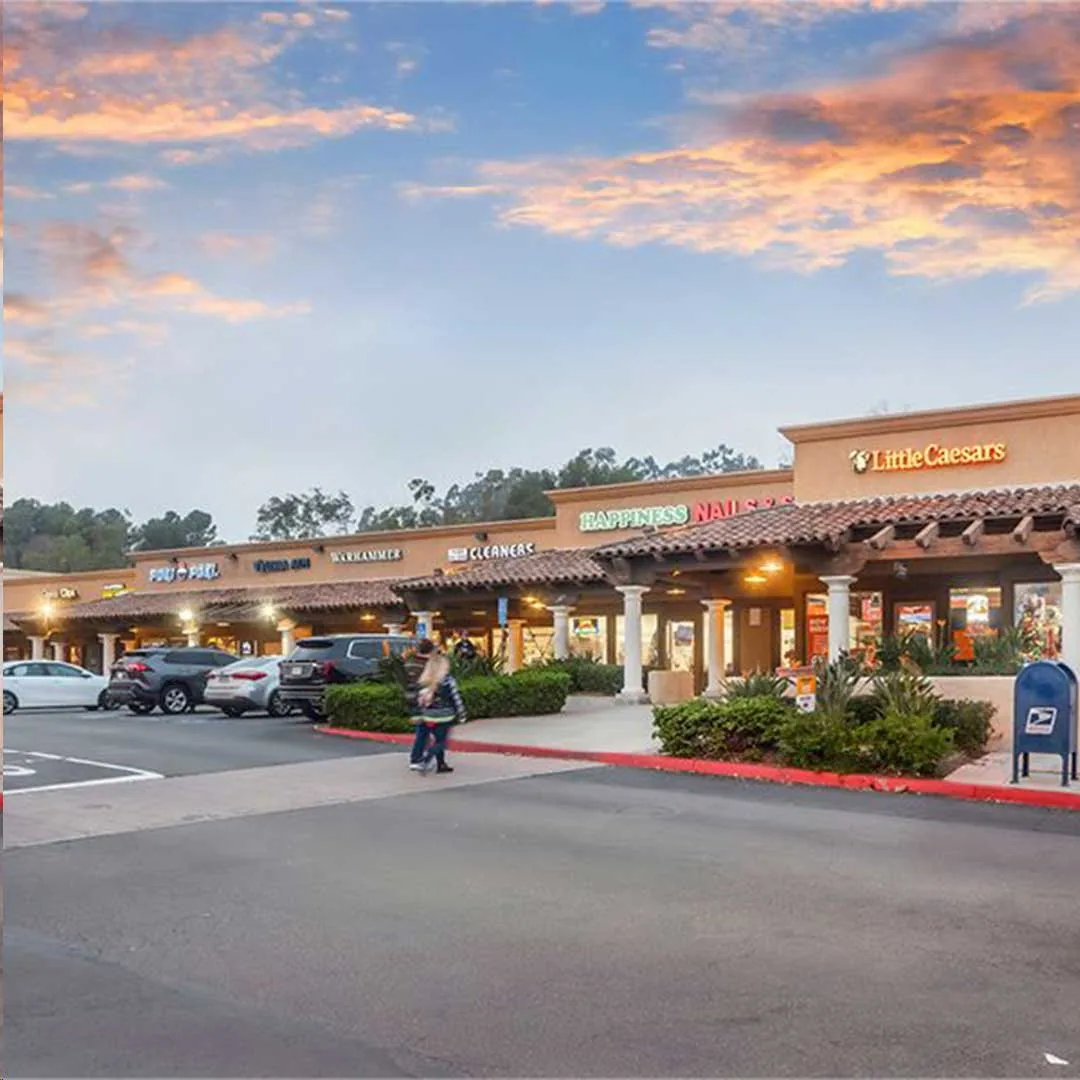
Plan Vacaville shopping center roof repairs around tenant access, storefront transitions, parking routes, drainage, and close-in timing.
A shopping center roof has to protect several tenant spaces while keeping customer routes open below. We inspect the reported leak, trace it across the roof field, and check seams, drains, parapets, HVAC curbs, and storefront transitions. Vacaville’s hot summer conditions make membrane movement worth reviewing at long laps and metal edges, while winter rain tests the path to each outlet. Neither season proves a roof defect. The inspection creates a map of observed conditions and identifies how work can proceed without putting material staging or roof access across the property’s busiest routes.
Keep storefront access in the plan
Before mobilization, we confirm which tenant doors, loading areas, sidewalks, and parking lanes must stay clear. A lift or material drop can affect more than the roof crew, so the center manager identifies acceptable hours and delivery paths. The work is divided into zones that can be prepared, repaired, and closed within the approved period. We also identify any storefront ceiling or inventory that needs protection below a planned opening. An occupied-property sequence records tenant notice, roof access, and close-in points before work begins.
Downtown Vacaville’s business district includes more than 450 businesses across multiple industries. A retail property in or near Downtown Vacaville may have foot traffic and loading needs unlike a center closer to the North Village area. The manager’s access rules determine where materials can be staged and which route remains open. We confirm those conditions with the property team rather than assuming every shopping center has the same customer or delivery pattern.
Inspect the field and each tenant transition
Long roof fields can connect tenant bays while storefront walls, parapets, sign supports, and rooftop units create repeated transitions. We inspect membrane laps, edge metal, curb corners, fasteners, and prior repair material, then identify where water could travel before reaching a suite. A small stain over a stockroom does not establish the opening above it. We compare the symptom with drains and penetrations and test if concealed layers could change the repair boundary. The written scope names the surface that can receive a patch and where the new detail should terminate.
Vacaville combines customer-facing retail with business parks and industrial uses. That mix changes traffic and delivery patterns, while the roof assembly still has to be verified at the property. We examine the actual sheet, substrate, and perimeter detail. Where large retail spaces share a center, compare big-box roof planning for a different tenant and equipment layout. A perimeter metal review can help when water tracks along a parapet or a storefront wall.
Follow water across a broad roof area
Roof drains, scuppers, and overflows serve different portions of a center, so we map the outlet and the field that feeds it. We look for blocked strainers, low areas, equipment bases that interrupt runoff, and seams that stay wet after surrounding sections dry. A clear drain bowl does not resolve a slope or insulation issue. If testing finds wet material near an outlet, the repair plan identifies what to remove and where the receiving layer can hold. Drain and scupper service can be combined with the membrane repair when the outlet affects the leak path.
I-80 places Vacaville between the Bay Area and Sacramento, with I-505 close by. That access helps explain delivery routes; it cannot show how water travels across a roof field. We trace that path at the building. The I-505 industrial corridor west of North Village has a different land-use pattern from the city’s retail districts. Each property gets a roof map tied to its drains, tenant spaces, and roof sections. A moisture survey may help locate test points where insulation condition remains uncertain.
Coordinate units, signs, and service routes
Shopping centers can have separate HVAC units, exhaust fans, conduit, and sign supports above individual tenant bays. We note each curb and support, check flashing and fasteners, and keep service clearances in the repair plan. If a unit must be moved or a sign base needs work, the responsible trade confirms the sequence before the roofing crew opens the membrane. We document the roof responsibility separately from mechanical or sign work so the owner can see where one scope ends and another begins.
Vacaville identifies logistics, biotechnology, and advanced manufacturing among local economic sectors, while downtown retail includes businesses from multiple industries. Those facts describe different commercial uses, not a uniform roof assembly. We verify the property’s equipment and material before selecting a detail. A curb and support inspection records flashing conditions around HVAC, and a commercial roof inspection can connect those details to a larger roof-zone plan. Where dining tenants share a property, a restaurant roof review can add exhaust, grease-control, and service-access questions to the center-wide plan. We confirm which openings serve the tenant, document the curb flashing, and coordinate any equipment work with the responsible mechanical trade.
Choose a repair boundary before covering layers
A focused repair is easier to defend when one failed detail is bounded and nearby material stays dry and attached. Moisture crossing connected bays, recurring leaks, or loose fasteners may justify comparing targeted tear-off with broader renewal. We map the evidence, list tests that could change the scope, and explain how each option affects tenant coordination. Cost and timing depend on access, removal depth, equipment movement, disposal, and how many sections can close during each work period.
Vacaville’s hot weather and winter rainy season help frame exposure and scheduling, but the building condition comes from inspection. A coating restoration review checks whether an existing surface is suitable before coating is proposed. Owners can also compare a warehouse roof assessment when the same property includes storage space. Closeout should include roof-zone photos, repaired transitions, materials, and any tenant or trade access item that remains open.
Questions Owners Ask
Can roof work be scheduled without closing shopping center stores?
The manager identifies customer paths, loading times, tenant hours, and areas that cannot be staged over. We phase roof zones and coordinate lifts and material movement around those limits. If an opening cannot close before the next busy period, that section is assigned another approved work window.
Why might a storefront leak appear several feet from the roof opening?
Water can move along a roof deck or insulation before it reaches the ceiling. We compare the interior report with nearby seams, parapets, drains, and penetrations, then test if concealed layers could widen the repair. The report distinguishes the visible symptom from a confirmed opening.
What do you inspect where two tenant spaces meet?
We check the membrane transition, changes in roof height, curbs, edge metal, and any prior repair between the bays. A tenant line does not always match the roof assembly boundary. We map the water path and identify which property or trade responsibility needs clarification before work proceeds.
When should a center compare repair with replacement?
Repeated leaks, wet insulation in separate roof zones, loose attachment, or deck deterioration can move the scope beyond one detail. We document the test results and compare a local repair with selective removal or replacement. The center can then weigh tenant disruption against the condition of each area.
What records help coordinate roofing across multiple tenants?
A roof plan, leak log, tenant directory, equipment layout, prior repairs, and delivery rules help focus the survey. The manager can mark spaces needing notice and areas where customers must remain clear. We tie photographs and repair notes to roof zones so follow-up does not depend on a broad center-wide description.
Related Roofing Work
- Occupied Commercial Building Reroofing in Vacaville, CA
- Commercial Roofing in Downtown Vacaville, CA
- Commercial Roofing in North Village, Vacaville, CA
- Big-Box Retail Roofing in Vacaville, CA
- Commercial Roof Edge Metal, Coping, and Gutter Service in Vacaville, CA
- Commercial Roof Drain and Scupper Repair in Vacaville, CA
- Commercial Rooftop Equipment Curbs and Supports in Vacaville, CA
- Commercial Roof Inspection in Vacaville, CA
Share tenant hours, loading rules, leak reports, and roof records. We will inspect seams, drains, equipment transitions, and storefront edges, then document the repair boundary and staging plan.