National Guard Armory Roofing in Vacaville, CA
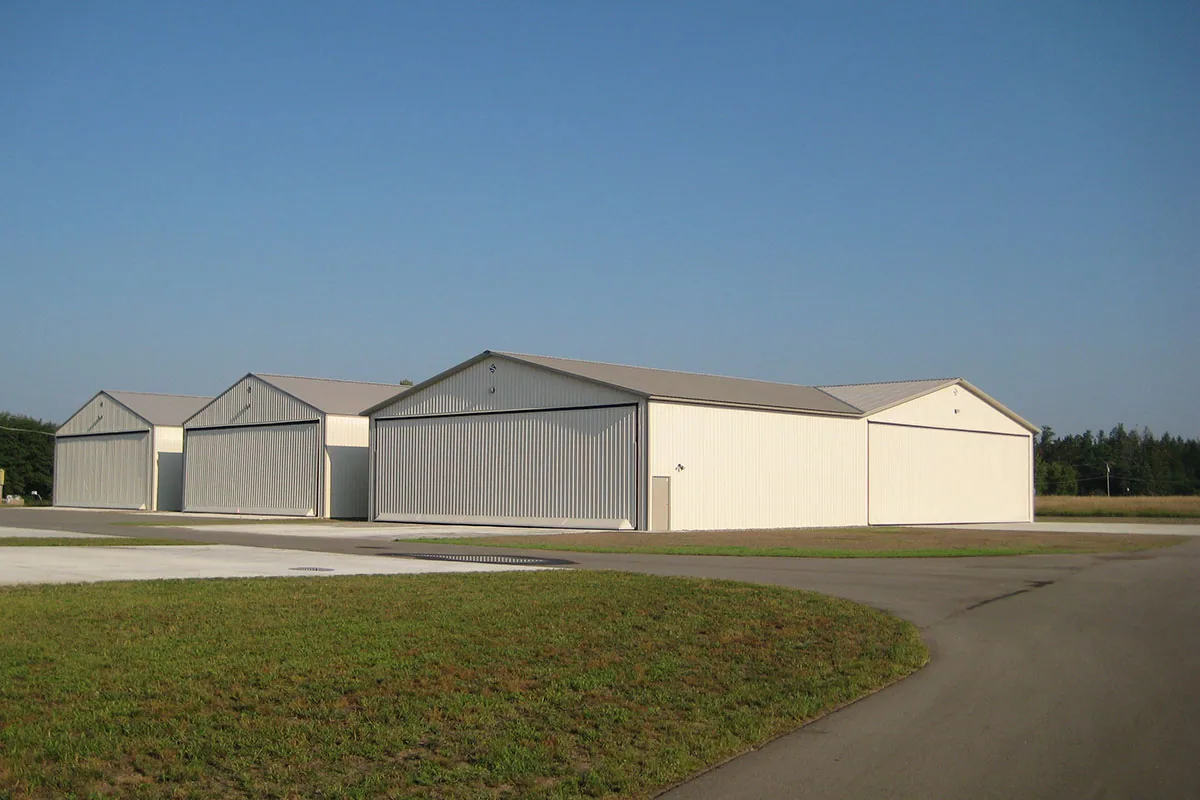
Plan armory roofing in Vacaville around drill-floor use, secure access, heat movement, roof drainage, and a documented close-in schedule.
Vacaville's hot afternoons make movement at an armory roof seam worth checking before the next work window, but a forecast does not tell us whether the bond or fasteners remain sound. We inspect the actual assembly, trace any reported water path, and mark where an edge, curb, or drain changes the repair limit. An armory may contain a drill floor, kitchen, latrines, and classrooms or locker rooms, so the sequence begins with the rooms and routes that must stay available while the roof work proceeds.
Tie each roof area to its room below
The California Military Department describes armory facilities with a drill floor, kitchen, and latrines, with classrooms or locker rooms at some locations. Those functions can sit beneath different roof zones, additions, or equipment layouts. We map the reported leak to the room, then inspect the corresponding slope, seam, flashing, and nearby drain. If a roof opening is needed, the site contact identifies when the room can be protected and whether a drill, class, or meal schedule needs a different window. The report keeps confirmed moisture separate from a suspected path so an isolated interior mark does not become a roof-wide conclusion. Barracks have another operating pattern, with repeated plumbing vents, long residential wings, and overnight occupants; a barracks roof review can account for those areas without treating them like a drill floor.
The California National Guard lists a duty office in Fairfield, and public state records identify the Fairfield Armory as a California Military Department facility. That regional context does not establish its roof type or condition. In Vacaville, we use the owner-provided drawings and field observations to identify the actual membrane or metal assembly. A commercial inspection can label the affected zone, list what was tested, and show which additional opening would change the recommendation.
Keep the access path defined
For a secure property, the owner sets the entry process, escort rules, approved delivery times, and areas that remain restricted. We record those instructions with the lift location, staging area, and roof zone before the crew arrives. A separate path may be needed for drills, supply deliveries, or public functions. The work plan names the person who can approve a route change and the point at which the site must be weather-tight again. If the roofing scope depends on a mechanical or electrical trade, the facility contact confirms who can isolate or restore that equipment.
Vacaville's link between I-80 and the nearby I-505 corridor can inform when materials are dispatched, while Fairfield's regional roads connect multiple business districts. A roadway does not grant access to an armory. The military property work plan puts the owner's permission and roof-specific sequence in one record, and an inspection in Fairfield follows that city's own access and property requirements.
Inspect the details that move
Repeated warming and cooling can make a sheet expand and draw back, placing stress at laps, fastener rows, and perimeter metal. On a low-slope armory roof, we check those connections with the field membrane, note whether the surface is firmly bonded, and inspect curb corners where mechanical service interrupts the plane. At a standing-seam roof, the review shifts to panel attachment, clips, laps, and transitions. Neither system is selected by property label alone; the roof drawing, substrate, drainage pattern, and repair history shape the options.
Where North Village and other planned areas of Vacaville include employment and public uses, roof equipment and access can differ from one building to another. We document the actual curb and service route rather than assuming a standard layout. If a metal cap or counterflashing has shifted, the public-building detail review can help compare edge conditions. When the armory includes classrooms or offices, an occupied-space sequence can set notices and interior protection before a test cut.
Trace water to the outlet
A stain below an armory roof may be several feet from the opening that admitted water. We follow the deck slope, check the drainage low point, and examine scuppers, overflow provisions, and the flashing where a drain meets the field. Debris, a displaced strainer, or an outlet that cannot move water can leave a wet area after the roof surface dries. The repair plan records the condition and the path to clear it, then checks the membrane where standing water meets a seam or patch. A drain and scupper review can show whether the outlet or surrounding flashing needs attention.
A Vacaville ordinance approved in November 2025 brought the triennial California building and energy standards into the local permit process. For an armory roof, the designer checks which provisions govern the selected assembly. We record existing layers, attachment, and perimeter details so the review starts with the actual scope. The scope also records the layers being removed, replacement insulation, fastening or attachment method, and close-in checkpoints so the selected option can be compared on a clear basis.
Make the scope work for the calendar
A repair is practical when the defect is localized and the surrounding material will accept a durable tie-in. Wet insulation across several areas, loose attachment, or deck deterioration may call for selective tear-off or full replacement. We compare the size of each work zone, protection below, material handling, access limitations, and time needed to close the roof. A new layer is proposed only after tests show a dry base, secure attachment, and deck capacity. If those conditions are absent, the owner can compare selective removal with a full replacement. If the work affects a drill floor or kitchen, the owner can compare the close-in window with scheduled use before approving the sequence.
Closeout photos should identify the room below, roof zone above, repaired detail, and any remaining test question without exposing protected information. We list the material installed, the repair boundary, and the person who accepted the handoff. A manager can then match the record to future inspections and avoid reopening a sound area simply because the original leak note was vague. For a building with overnight or weekend use, an inspection schedule can reserve time for drainage, edge, and penetration checks before small defects reach the interior. North Village and Downtown Vacaville are broad service-area examples; they are not substitutes for the property owner's access instructions.
Questions Owners Ask
Which rooms should be considered before scheduling an armory roof opening?
Start with any drill floor, kitchen, latrines, classrooms, or locker rooms under the test area. The facility contact identifies the hours and protection needed, and we tie each proposed opening to a specific roof zone and close-in time.
Does the Fairfield Armory determine the scope for a Vacaville property?
No. It is regional context, not a roof-condition report for another building. We inspect the Vacaville assembly, review its own drawings and repairs, and keep the recommendation within the evidence collected at that property.
What should an owner provide before a contractor enters a restricted site?
The owner establishes the authorized contact, escort process, entry window, delivery route, and areas that remain closed. We use those instructions to schedule inspection and material movement, then confirm the plan before any roof section is opened.
When is a repair preferable to a full armory reroof?
A repair may fit a single failed connection when the adjacent surface and attachment are sound. Moisture across zones, weak fastening, or damage to the deck can change that choice. We document the condition that supports each proposed boundary.
How do you keep a roof work area safe during a drill or training day?
The site contact supplies the calendar and movement restrictions, and we confirm the approved roof and ground routes. If a schedule changes, the authorized contact approves a new window before a delivery or opening is moved.
Related Roofing Work
- Commercial Roof Inspection in Vacaville, CA
- Military Installation Commercial Roofing in Vacaville, CA
- Commercial Roofing in Fairfield, CA
- Government Building Roofing in Vacaville, CA
- Occupied Commercial Building Reroofing in Vacaville, CA
- Commercial Roof Drain and Scupper Repair in Vacaville, CA
- Commercial Roof Maintenance in Vacaville, CA
- Military Barracks Roofing in Vacaville, CA
Share the room affected, roof records, site contact, and available access window. We will inspect the assembly, document the repair boundary, and compare the next step with the property's operating schedule.