Commercial Roofing in the Heart of Fairfield, Fairfield, CA
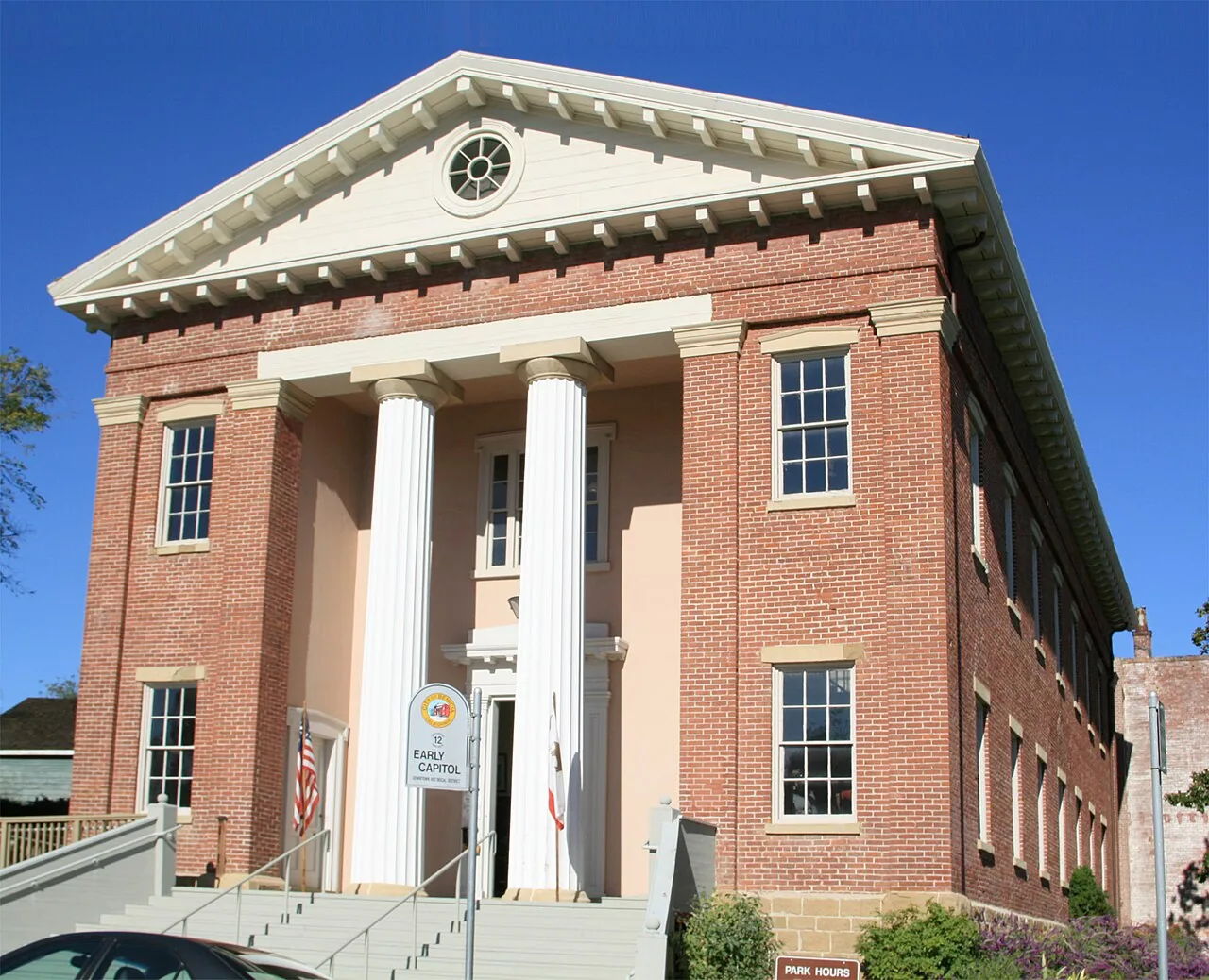
Commercial roofing in Fairfield’s downtown and West Texas Street district, with careful leak tracing, repair options, and work planned around active businesses.
Downtown and West Texas Street roofs serve commercial and public activity, and each scope must fit the building and its operating hours. The Heart of Fairfield connects downtown and the West Texas Street corridor, with local and regional government services alongside a range of businesses. Fairfield adopted its specific plan in 2017. We trace the reported water path and inspect seams, curbs, edges, and drainage before setting the repair limit. A Central Solano County heat advisory forecast very hot days and warm nights for Vacaville; at this Fairfield roof, we examine seams and transitions as part of the field review.
Tie the scope to the building use
A public-service office, street-facing business, and larger commercial property can have different access and work constraints, even when they share a district. We confirm who controls roof access, whether customers or staff use the area below, and when noisy or disruptive work can occur. On the roof, we identify visible system details and map the transitions that relate to the leak or planned work. If a curb or edge is the concern, we inspect its full connection to the field instead of sealing only the exposed corner. A commercial inspection records those conditions and any access limit. A photo-supported report connects each recommendation with a roof zone so ownership can evaluate the actual repair boundary.
Follow the path through the district
West Texas Street connects I-80 with downtown Fairfield and shopping, civic, educational, park, and cultural destinations. We plan for scheduling and pedestrian protection, confirm the property contact, and record loading or customer hours, staging, and areas that need protection before work starts. In an active leak, water may travel along a deck or insulation before appearing inside. We trace likely paths from the interior mark to roof penetrations and low points, then document what is visible. When the path reaches a drain, drain and scupper service can include its flashing and surrounding membrane rather than stopping at the outlet.
Inspect the heat-sensitive connections
Vacaville’s September 2022 record reached 115°F on September 5 and 6. On a Fairfield roof, our field sheet records any loose fastener, displaced edge termination, open curb corner, or bond loss found during the visit. We photograph the seam’s direction and adjoining material, then compare the repair surface with the proposed patch or coating. If a coating is under consideration, a test area can confirm whether the receiving surface accepts it. Heat and UV damage evaluation organizes those observations, while edge metal work addresses a perimeter connection in the same water path.
Keep the drying path visible
Drainage details affect how long a low-slope roof remains wet after rain or maintenance. We note whether an outlet is clear, whether the surrounding sheet has separated, and whether a low area appears to reflect a drainage obstruction or a broader slope condition. A wet insulation layer may need a test opening to establish its limit; the roof surface alone cannot answer that question. We mark the area inspected and what was inaccessible, then explain whether a localized correction can restore the path to the outlet. If a larger repair is needed, the plan includes how the drain will remain functional during work. A ponding-water repair review can separate an outlet issue from a condition that reaches beneath the membrane. For planned upkeep, maintenance visits can check drains, seams, and transitions before small changes interrupt a business day.
At a Fairfield service call, the roof walk starts with a marked access route and a list of areas the contact wants checked. We photograph the same reference points on return visits: the entrance to each roof zone, each drain or scupper, and any transition tied to the reported leak. The closeout note records which location was opened, the material used, and where temporary protection ended. If work spans more than one building, separate photo sets keep the repair boundary clear for the facilities team and its next contractor. That record is useful when a later inspection revisits only one section rather than repeating the entire survey.
Make the boundary easy to review
A repair proposal should show what material comes out, where the new connection begins, and what condition supports stopping at that point. If wet or loose layers continue beyond the visible opening, the boundary should expand only as the inspection evidence requires. A stable repair area may need no broader replacement. Repeated failures or moisture across several zones call for a comparison that includes removal, substrate condition, disposal, flashing reconstruction, and close-in timing. Those are the factors that change cost and schedule. Fairfield’s business parks include office, industrial, and technical locations. Vacaville’s 2025 planning activity includes industrial and commercial construction proposals, including industrial buildings and warehouse-retail development. We keep each roof record tied to the property inspected. Owners can compare this district with Fairfield’s other commercial areas or the West Texas Street corridor without carrying an inspection conclusion from one roof to another. A larger scope can be organized through commercial replacement planning.
For an occupied office or storefront, replacement also changes how entrances, customer areas, and interior work are protected. We review the expected removal sequence, daily close-in, delivery timing, and how rainwater will move while sections are under construction. If an existing roof may support a recover, we confirm the assembly layers, moisture condition, attachment, and added load before treating that as an option. A written comparison separates what can remain from what needs removal. For each option, we list the roof sections that stay accessible, the section that closes each day, and the detail that must be checked before moving to the next work zone. If the first opening exposes a different assembly than the record shows, we stop at the agreed hold point, document the layers, and update the scope before extending removal. That gives ownership a clear cost and schedule decision before the crew changes the boundary. Those details let ownership weigh interruption against the condition of the roof, rather than choosing by a surface appearance or a general age statement. We can revise the work zone after a test if the opened layers differ from the records. The crew records the condition of each opened layer before it is covered, then photographs the completed laps and flashing. If the owner has a preferred documentation format, we can align the closeout record to the property file and identify any follow-up inspection date.
Questions Owners Ask
Does the specific plan say what roof systems are present?
No. The plan defines the relationship between downtown Fairfield and West Texas Street and identifies district uses. We determine a roof system from records and field inspection, including visible seams, edges, penetrations, and any test needed to confirm the layers.
Can a business stay open during a roof repair?
The work window depends on access, noise, staging, and protection below the repair area. We coordinate with the person responsible for the building, then divide removal and close-in so the roof is not left open beyond the agreed sequence.
How do you trace a leak that appears away from the opening?
We compare the interior location with roof penetrations, seams, walls, and drainage low points. Water can move within a roof assembly before it reaches a ceiling. Photographs and a test opening, when authorized, help identify the repair boundary.
When is a coating a reasonable option?
A coating is considered only when the existing surface is compatible and the underlying assembly remains suitable. We check adhesion, moisture, seams, and transitions first. If those conditions do not support a coating, we explain repair or replacement choices instead.
What should we send before scheduling?
Share the leak location, any roof plan or past repair record, the building contact, and hours when access is available. Those details help us plan an inspection that answers the question at hand and identifies any area that needs separate authorization.
Related Roofing Work
- Commercial Roof Inspection in Vacaville, CA
- Commercial Roof Condition Reports in Vacaville, CA
- Commercial Roof Drain and Scupper Repair in Vacaville, CA
- Commercial Heat and UV Roof Damage Repair in Vacaville, CA
- Commercial Roof Edge Metal, Coping, and Gutter Service in Vacaville, CA
- Ponding Water Roof Repair in Vacaville, CA
- Commercial Roofing in Fairfield, CA
- Commercial Roofing in West Texas Street Corridor, Fairfield, CA
Send the leak location, roof records, and preferred operating window for your Fairfield property. We will document the assembly and repair boundary, then explain the options supported by the inspection.