Commercial Heat and UV Roof Damage Repair in Vacaville, CA
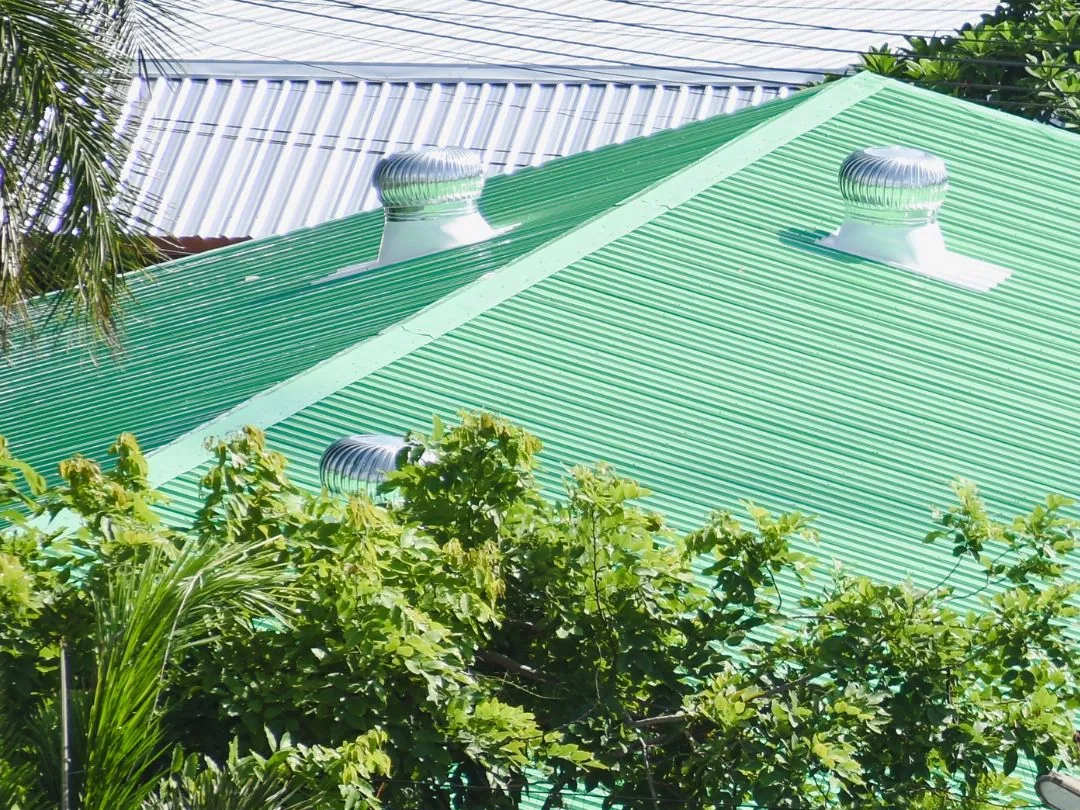
Inspect heat and UV wear on Vacaville, CA commercial roofs. We check seams, coatings, insulation, and drainage before defining repair or renewal.
Forecasts can flag a stretch of unusual heat, but they cannot show whether a roof has been damaged. The National Weather Service advisory for Central Solano County included Vacaville and described very high daytime temperatures with warm nights. On the building, we look for loss of coating, brittle edges, open seams, and movement where membrane meets a curb or edge metal. We check adhesion and possible moisture below the surface before comparing a repair with restoration. A commercial roof inspection records the assembly, drainage, and access window so the recommendation follows the conditions found at the property.
Read the surface after repeated heat cycles
A coating that has thinned or lost adhesion may expose the membrane beneath it. A sheet can become less flexible at a seam, while a metal termination can shift where it meets a wall or curb. We inspect color changes alongside cracks, blisters, loose edges, and water paths instead of treating appearance as a complete diagnosis. The receiving surface and bond line determine whether a compatible restoration can hold. If the top layer is sound but chalked, preparation may differ from a roof where the membrane has split or insulation is wet. The report separates each observed condition by roof zone.
Chalking can leave powder on a glove, but a surface deposit is not the same as a split or a bond failure. We look for loss of thickness, brittle edges, exposed reinforcement, and coating that releases when tested. A small sample or manufacturer-compatible adhesion check can help determine whether another application will stay attached. We also inspect areas beneath rooftop equipment where shade and airflow differ from the open field. The finding is tied to the system and preparation available, so restoration is not recommended from color alone.
Check joints where movement concentrates
Heat movement is easiest to see at a long lap, a curb corner, or the meeting point between a sheet and edge metal. We probe seams, inspect fasteners and welds, and look for separation where a previous patch meets the field. A seam repair can close a split that ends at stable material. A flashing inspection checks the vertical transition when the opening follows a curb or wall. If either detail remains active, coating over it would conceal the movement instead of correcting the connection.
Sheet tension can vary where a roof crosses a long uninterrupted run or changes at a curb. We inspect welds and terminations in exposed and shaded areas, then note whether an open lap tracks toward drainage or a prior repair. If insulation beneath the seam yields or readings indicate moisture, we mark a test location before deciding how far the membrane should be opened. The repair ends where the existing sheet and base can support a new bond. That boundary is more important than covering a large surface with a uniform product.
Connect climate context to inspection timing
For a heat-related coating visit, we confirm the property's access and staging limits, then check surface temperature, shade, exhaust discharge, and substrate dryness in the actual work zone. Product requirements determine whether conditions are suitable for preparation and application. If a test patch does not bond, work pauses while the crew checks preparation and compatibility. Diligence Notes record the zone, readings, limits, and close-in sequence before application. Before coating begins, the crew marks where preparation stops and where a seam or flashing correction must happen first. The owner can review those boundaries as discrete scope items and decide whether access limits or open transitions require a separate mobilization before the finish coat is scheduled.
Plan around the roof's actual use
Vacaville identifies biotechnology, pharmaceutical manufacturing, advanced manufacturing, industrial production, and logistics among its target sectors. A roof over a production or distribution building may have exhausts, service units, and frequent technician traffic. We locate those details and record which can be reached without crossing a protected process area. Lower Lagoon Valley is a planned mixed-use area with a proposed commercial component; a current building walk confirms the roof material and access before a scope is set. We verify the building itself and coordinate access with the person authorized to release the work zone. That is especially important when heat makes the close-in window shorter.
We compare roof surface condition across slopes with different shade and equipment exposure, then photograph each point. Later maintenance can use the same references to see whether degradation is progressing.
Choose a treatment that fits the layers
A coating may extend service life when the existing surface is compatible, attached, and dry enough to prepare. It cannot restore crushed insulation or correct a drainage low point. We inspect adhesion, seams, ponding, curb details, and the condition below the visible finish before comparing a restoration with localized replacement. A roof coating restoration includes surface preparation and repairs needed for a continuous application. Where the assembly has widespread movement or wet layers, replacement can be evaluated against a recover option. A cover board and insulation review identifies how added layers affect edges, drains, and curbs.
Work timing depends on surface temperature, the preparation method, and the time required for a coating or adhesive to cure before the area is exposed. We schedule around the property's release window, identify protection for open sections, and state whether follow-up visits are needed to inspect a later application stage. If weather or access changes, the affected area is kept closed or protected until the assembly can be finished. The plan ties each return visit to a roof zone rather than leaving an entire building under an undefined schedule.
Document the choice before the next season
Cost and timing depend on roof area, surface preparation, the number of failed transitions, moisture removal, access, and protection needed while materials are applied. We list those drivers separately from testing and production work. At closeout, a roof map marks treated zones, retained coating, test openings, and surfaces not inspected. A roof condition report preserves the location of each observation for a later comparison. We also set a follow-up date and identify which seams or transitions should be checked after the treated surface returns to service. The owner receives the photos, repair boundary, product information, and unresolved items together, so the next review can distinguish a new change from an earlier condition. If another trade adds a curb or service path, the log should identify the altered detail and the next inspection point.
Questions Owners Ask
Does a faded roof coating mean the membrane has failed?
Not by itself. We inspect adhesion, seams, flashing, and moisture below the surface. A stable but weathered coating may be prepared for restoration, while a detached or wet assembly needs a different scope.
Can a coating correct heat damage at a seam?
The seam must be repaired first if its bond line has opened or the sheet is moving. We test beyond the visible split and check the layers below before deciding whether a coating belongs in the repair plan.
How do you compare coating with replacement?
We compare the condition retained, preparation and repairs required, added height, drainage, and expected access interruptions. The proposal describes which areas support restoration and where removal is warranted.
Should we inspect after a very hot period?
A visual review can identify changed seams, coating, and flashing, but the heat itself does not establish failure. We document actual conditions and test where the result could alter the repair boundary.
What should the closeout include?
Keep the treatment area, material, preparation, repaired details, photos, and any retained or untested zones. We mark the next inspection location so a later review can compare the same surface and transitions.
Related Roofing Work
- Commercial Roof Inspection in Vacaville, CA
- Commercial Roof Seam Failure Repair in Vacaville, CA
- Commercial Roof Flashing Repair in Vacaville, CA
- Commercial Roofing in Lower Lagoon Valley, Vacaville, CA
- Commercial Roof Coating Restoration in Vacaville, CA
- Commercial Roof Replacement in Vacaville, CA
- Commercial Roof Insulation and Cover Board in Vacaville, CA
- Commercial Roof Condition Reports in Vacaville, CA
Share the roof history, reported changes, and operating window. We will inspect exposed seams and transitions, test where needed, and compare a compatible restoration with repair or replacement.