School Roofing in Vacaville, CA
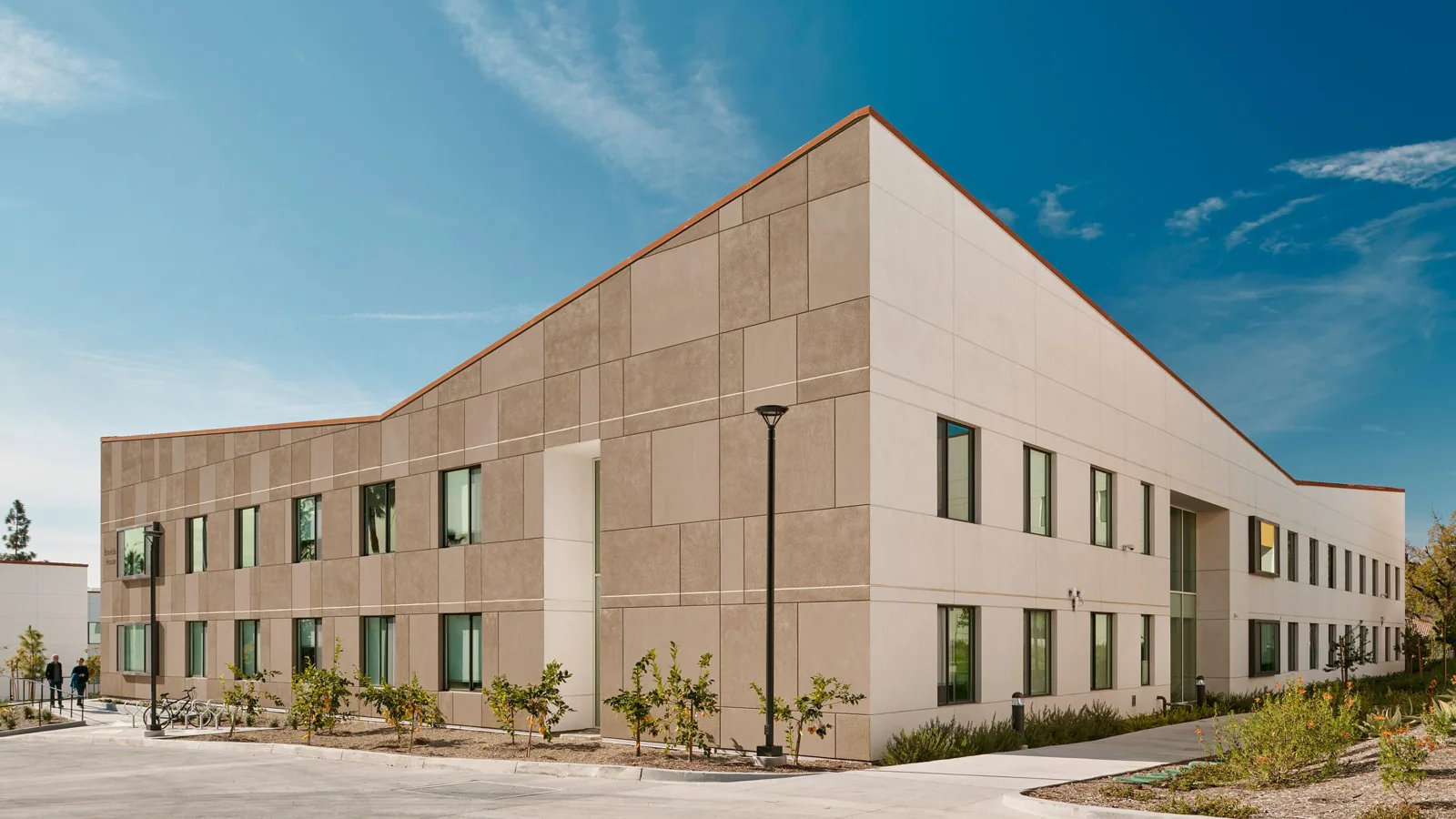
Plan Vacaville school roof repairs around classroom access, calendar windows, heat movement, drainage, and a documented close-in sequence.
A school roof project has to fit the building calendar and the space below the work. Vacaville’s Central Solano County heat advisory brought very high daytime temperatures and warm nights, so seams, curbs, and perimeter metal deserve a close look before a hot-weather work window. The advisory does not show whether a roof is damaged. We inspect the assembly, map active leaks and drainage, and identify which rooms, entrances, and play areas need protection. The recommendation connects roof evidence to the school’s schedule, rather than assuming every wing can close at the same time.
Build the work window around the school day
Roof access, noise, material staging, and lift placement can affect arrival, dismissal, meals, and after-school activities. We ask which routes stay open, when rooms are occupied, and whether any exterior area needs to remain clear. The school team sets the approved calendar and access rules. We then divide the roof into zones that can be prepared and closed within each work period. If the project continues while classes meet, an occupied-building sequence identifies the boundaries, interior protection, and review points before materials are removed.
North Village includes planned commercial and business-park uses along with residential, school, park, public, and open-space areas. That broad planning mix does not define the roof on an individual school. A school near North Village still needs its own delivery route, parent access, and play-area restrictions recorded. We confirm those details with the property team instead of choosing staging from a map alone. A schedule also names the person who clears each route when lifting or material movement resumes.
Identify the roof layers first
A school roof may span classrooms, offices, a gym, a cafeteria, or later additions, and those areas may not share one assembly. We compare available records with visible seams, membrane type, metal edges, roof drains, and transitions between sections. At a selected point, we lift a small area to check moisture in the insulation and the condition of the deck. The report identifies where the layer was observed and where it remains unknown. This keeps a stain in one room from being treated as proof that every roof section should be replaced.
At a seam or curb, we check for an open lap, a pulled fastener, a weak bond line, or metal that has shifted. A repair must reach compatible material that can receive the new flashing. When the roof has several layers or previous coatings, a cover-board and insulation review can help determine what is below the surface. Owners comparing a larger roof type can review college and university roof planning for its different building mix, while the school recommendation stays tied to the actual construction.
Check heat movement at edges and curbs
Hot roof surfaces move through the day, and that movement tests sheet laps, metal joints, fasteners, and curb flashing. We inspect the areas where one material ends and another begins, then trace each detail to adjacent seams and drainage paths. A split sealant bead does not show whether the membrane beneath it remains sound. We document the receiving surface and note where a test could change the repair boundary. If the surrounding sheet is stable, the scope can stay focused; if attachment or moisture fails beyond the detail, a wider comparison is needed.
Hot afternoons followed by mild nights leave little cooling time for exposed roof surfaces. We treat that pattern as inspection context, not proof of a failed seam. A commercial roof inspection records visible movement, repairs, and test points so the owner can compare later visits. When a reflective restoration is considered, a coating restoration review checks whether the existing surface is stable and compatible before any finish is applied.
Trace water to drains and low points
A ceiling stain may sit away from the roof opening because water can move across a deck or insulation before it appears indoors. We compare the interior report with drains, scuppers, wall lines, equipment bases, and earlier patch locations. A drain that appears clear can still serve a low area that dries slowly. We record the surface path, the outlet, and any test that could establish whether insulation is wet. If a blocked strainer or damaged scupper contributes to the condition, drain and scupper work can be included in the repair scope.
Vacaville’s dry summer months and winter rainy season create different conditions for observing runoff and drying. We note the visit date and any history of water after storms. Industrial property along I-505 has a different use pattern from school buildings, where access and maintenance follow the academic calendar. We inspect the roof itself before setting the scope. The written report marks confirmed damage separately from areas that were not opened.
Compare a repair with a school-wide plan
A limited patch may suit an isolated seam or penetration when adjacent material remains firm. Moisture in other zones, loose attachment, or deck wear supports a larger removal study before the owner chooses a repair boundary. We show which observation changes the scope and what remains to be tested. Schedule and budget reflect roof access, material removal, equipment coordination, disposal, and the size of the area that can close before the next use period.
Vacaville sits near I-80 and I-505, but a school’s access and delivery rules come from its approved site plan. We confirm equipment locations, lift needs, and staging before setting a work sequence. A recover assessment compares existing layers and moisture findings, while office roof conditions may help when administrative space shares the building. The closeout maps repairs, photos, materials, and open items so the next maintenance visit has a useful record.
Questions Owners Ask
Can roof work take place while students are in the building?
The school calendar and site rules determine which areas can stay occupied. We coordinate staging, noisy tasks, lifts, and protected routes with the facility team, then set work zones that can close within the approved window. If the roof cannot be secured before students return, that section moves to another period.
Does Vacaville’s heat advisory mean a school roof needs replacement?
No. The advisory is a reason to inspect movement at seams, curb flashing, and perimeter metal, not proof of damage. We record what is open, loose, wet, or stable and compare those findings with the repair boundary. A replacement decision follows the roof assembly and test results.
How do you find the source of a leak above a classroom?
We trace the symptom to roof details above it and look at drains, seams, curbs, and wall transitions. Water can travel before it reaches the ceiling. A targeted test can confirm layers at a selected point, and the report keeps that tested area separate from parts of the roof that were not opened.
What should a school provide before the roof survey?
Share roof drawings, prior repair notes, leak timing, the school calendar, access instructions, and any areas that must remain clear. The facility can identify classroom, gym, meal, or event schedules that affect the work window. We use those limits to plan access and protection.
When is a recover worth comparing with full replacement?
A recover may be considered when existing layers are stable, sufficiently dry, attached, and compatible with the proposed system. We confirm the roof construction and test suspected wet areas first. If the deck or insulation needs broad removal, the owner should compare replacement before adding another layer.
Related Roofing Work
- Occupied Commercial Building Reroofing in Vacaville, CA
- Commercial Roofing in North Village, Vacaville, CA
- Commercial Roof Insulation and Cover Board in Vacaville, CA
- College and University Roofing in Vacaville, CA
- Commercial Roof Inspection in Vacaville, CA
- Commercial Roof Coating Restoration in Vacaville, CA
- Commercial Roof Drain and Scupper Repair in Vacaville, CA
- Commercial Roof Recover and Overlay in Vacaville, CA
Share the roof history, leak locations, school schedule, and access limits. We will inspect the assembly, map drainage and movement, and document a repair or replacement sequence that protects the spaces below.