
College and University Roofing in Vacaville, CA
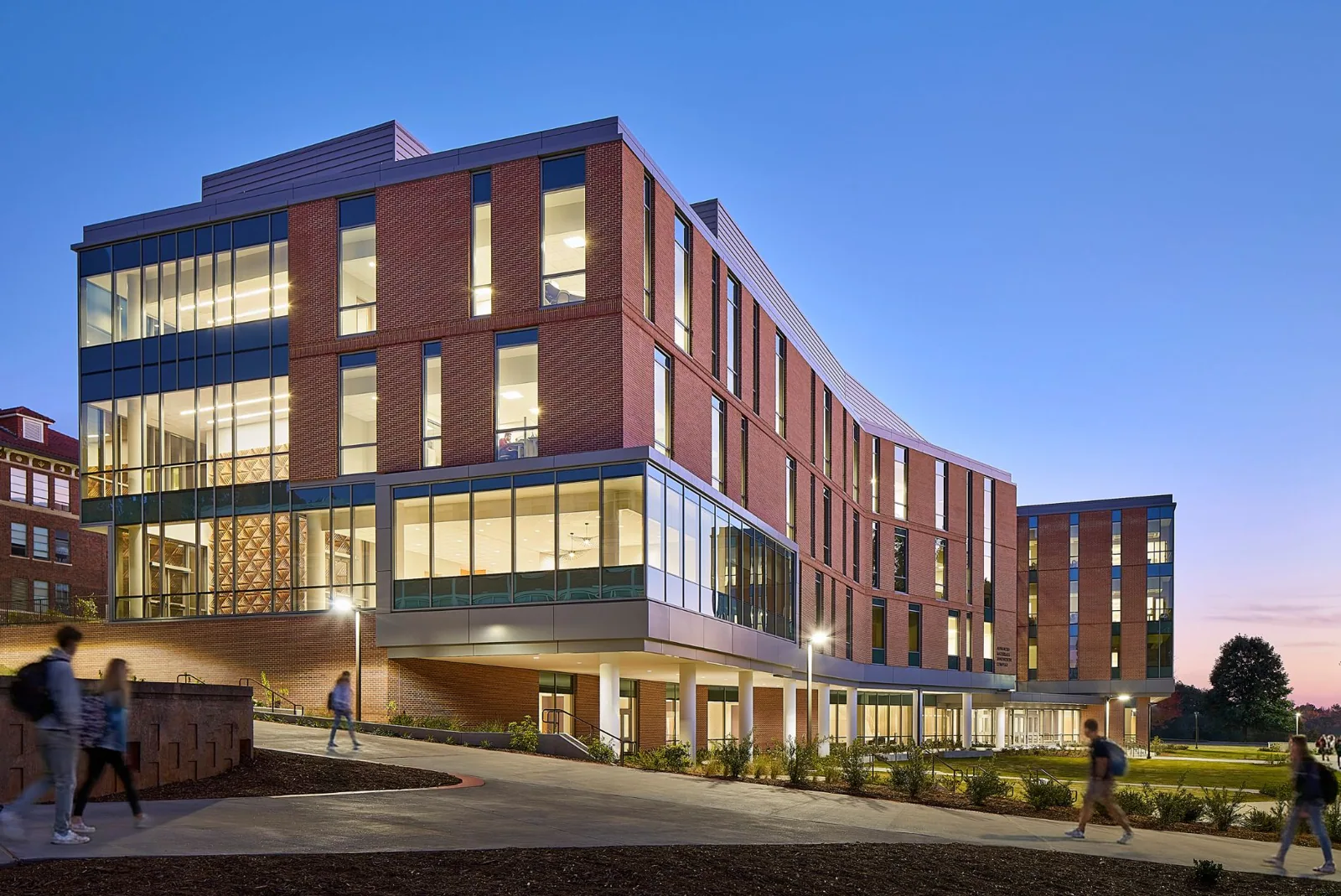
Plan college roof repairs in Vacaville around class schedules, lab and HVAC access, drainage, heat movement, and a phased close-in sequence.
Classrooms, laboratories, offices, and event spaces can place different demands on a college roof, even when they share one building. We begin by matching the reported leak or repair need to a roof zone, then check the membrane, curbs, drains, and transitions that serve it. A Central Solano County heat advisory that included Vacaville makes movement at seams and equipment bases worth reviewing. Rain falls during the winter season in the neighboring southern Sacramento Valley; that regional pattern frames runoff checks without establishing a Vacaville station normal. A weather pattern does not prove a roof defect. The inspection records the assembly and the access window so the owner can compare a focused repair with broader renewal.
Work with the academic calendar
Course schedules, exams, public events, and summer maintenance periods can affect access and noise limits. We ask which entrances, paths, rooms, and grounds must remain open, then identify a work zone that can be protected through close-in. The campus or property team confirms delivery rules and any roof access approval. Exam blocks, lab access, and public events can change the available period; the facility identifies a window that keeps those uses clear while the roof is open. A phased occupied-building roof sequence lists the sections that can be removed, repaired, and restored within each window. If another trade has to move equipment, that task and its approval point are named before roofing begins.
Local workforce planning includes biotechnology training, but it does not describe any individual classroom, laboratory, or roof. Each building still has its own records, access rules, and equipment layout. Owners can compare school roof scheduling when K-12 calendars shape the work, or office roof coordination when administrative suites share the same roof. The actual use of each space sets the work window and close-in timing.
Map distinct roof zones
A campus may include buildings from different construction periods, additions, and roof renewals. We compare roof plans with visible seams, edge metal, penetrations, drains, and prior patch locations. We choose a discreet test location to inspect the insulation and deck, then mark the exact layer exposed in the Diligence Notes. The report marks which layer was observed and what remains concealed. That matters when one wing has repeated leaks and another has no reported symptoms. A project can separate urgent repairs from zones that should stay on the next inspection list.
The North Village plan includes housing, learning space, parks, public uses, and business activity. Those district uses do not describe a particular campus roof. We verify the property’s address, equipment, and access instructions before planning a lift or delivery. A commercial roof inspection can create a zone map, while a roof condition record keeps photos and test locations together. That record helps facilities staff compare roofs without treating separate buildings as one assembly.
Check labs, exhaust, and penetrations
Laboratory or teaching equipment may use exhaust, piping, electrical runs, or rooftop units, but we confirm what is actually installed. We inspect each curb, pipe boot, support, metal edge, and membrane transition for movement, corrosion, or a loss of bond. A conduit or pipe can create an opening even when the field membrane looks intact. If the detail must be opened, the scope identifies the receiving material and the point where another trade has to disconnect or move equipment. Service paths and required clearances remain visible in the roof plan.
Vacaville has biotechnology and advanced-manufacturing activity, while Solano Community College supports workforce training in biotechnology. Those facts provide local context, not evidence of a specific building’s lab use or roof design. If a school property has skylights or roof-mounted exhaust, penetration flashing work can be coordinated with the membrane repair. A drain and scupper review checks whether water is collecting near a service route before the repair is closed.
Use heat and rain as inspection context
During hot spells, exposed roofs can experience a large daytime temperature load with limited overnight cooling. We check long seams, curb corners, and perimeter metal for movement, then rely on observed conditions to define the repair. We document open laps, wrinkles, pulled fasteners, and the bond line at a repair. The receiving surface must be stable before a patch or coating is considered. If testing shows wet insulation or a deck concern, the work boundary changes before a new layer covers the area.
A roof-zone survey compares visible low points with drain inlets and records where water remains after a rain, so the next work step follows the actual drainage path. We record recent leak timing and compare it with roof details above the affected room. When a coating is considered, a restoration assessment tests whether the existing surface can receive it. The plan should not use a reflective layer to hide an unresolved seam, moisture condition, or blocked outlet.
Set the right project boundary
A local repair can fit when the failed detail is limited and surrounding material remains stable. Repeated moisture, loose attachment across several zones, or deteriorated deck can make selective removal or replacement a stronger comparison. We map the known conditions and identify the test that would change the recommendation. Budget and schedule reflect access, lifting, protection below, insulation, trade coordination, removal, and the number of roof sections that can close within a work period. Those drivers are listed against the building’s use and approved calendar.
The city’s I-80 route links the Sacramento and Bay Area directions, and I-505 provides another regional connection. North Village is a separate planned area to the northeast; neither roadway nor district context replaces an on-roof review. Keep roof plans and repair histories attached to each campus building and zone rather than treating multiple structures as one assembly. A college property near North Village still needs its own access and roof review. If the existing assembly may support a recover, a recover evaluation compares layers and moisture test results before the owner adds material. Closeout should list repairs, photographs, test locations, and items assigned to another trade.
Questions Owners Ask
Can roofing work fit between classes and campus events?
The property team identifies quiet periods, restricted paths, and spaces that need to remain open. Facilities staff can identify one work block or a series of after-hours tasks. We agree on daily stop points, safe access, and a close-in check before materials are removed. If a lift or delivery affects an entrance or event space, that movement is scheduled with the facility before materials arrive.
How do you handle lab exhaust or equipment penetrations?
We inspect each base, flashing transition, support, and nearby membrane, then coordinate any disconnect or movement with the responsible trade. The repair scope identifies the receiving material and service clearances. A lab label alone does not tell us what equipment is present or which roof detail is installed.
Does a leak in one wing mean the whole campus needs replacement?
No. We map the symptom, inspect nearby roof details, and test concealed layers where the result could widen the scope. One roof zone may need a repair while another remains serviceable. Separate buildings or additions should be documented by their own assembly and condition.
What can a roof condition report help facilities staff decide?
The report can show roof zones, photos, test locations, repairs, and limitations on access. Those details help staff compare future symptoms with the work already completed. We note which questions remain open so the next inspection can focus on evidence that could change the maintenance or renewal plan.
How do heat and seasonal rain affect the roof decision?
Weather helps set inspection context and work timing, but it does not prove a roof failure. We look for actual movement, open seams, retained water, moisture, and weak attachment. The repair boundary follows those observations and any test results, not a climate description alone.
Related Roofing Work
- Occupied Commercial Building Reroofing in Vacaville, CA
- School Roofing in Vacaville, CA
- Office Building Roofing in Vacaville, CA
- Commercial Roof Inspection in Vacaville, CA
- Commercial Skylight and Penetration Flashing in Vacaville, CA
- Commercial Roof Drain and Scupper Repair in Vacaville, CA
- Commercial Roof Coating Restoration in Vacaville, CA
- Commercial Roofing in North Village, Vacaville, CA
Share roof records, leak locations, equipment layouts, and the academic calendar. We will inspect the assembly, map confirmed conditions, and document a phased repair or replacement boundary.