Commercial Roofing for Hospitality Groups in Vacaville, CA
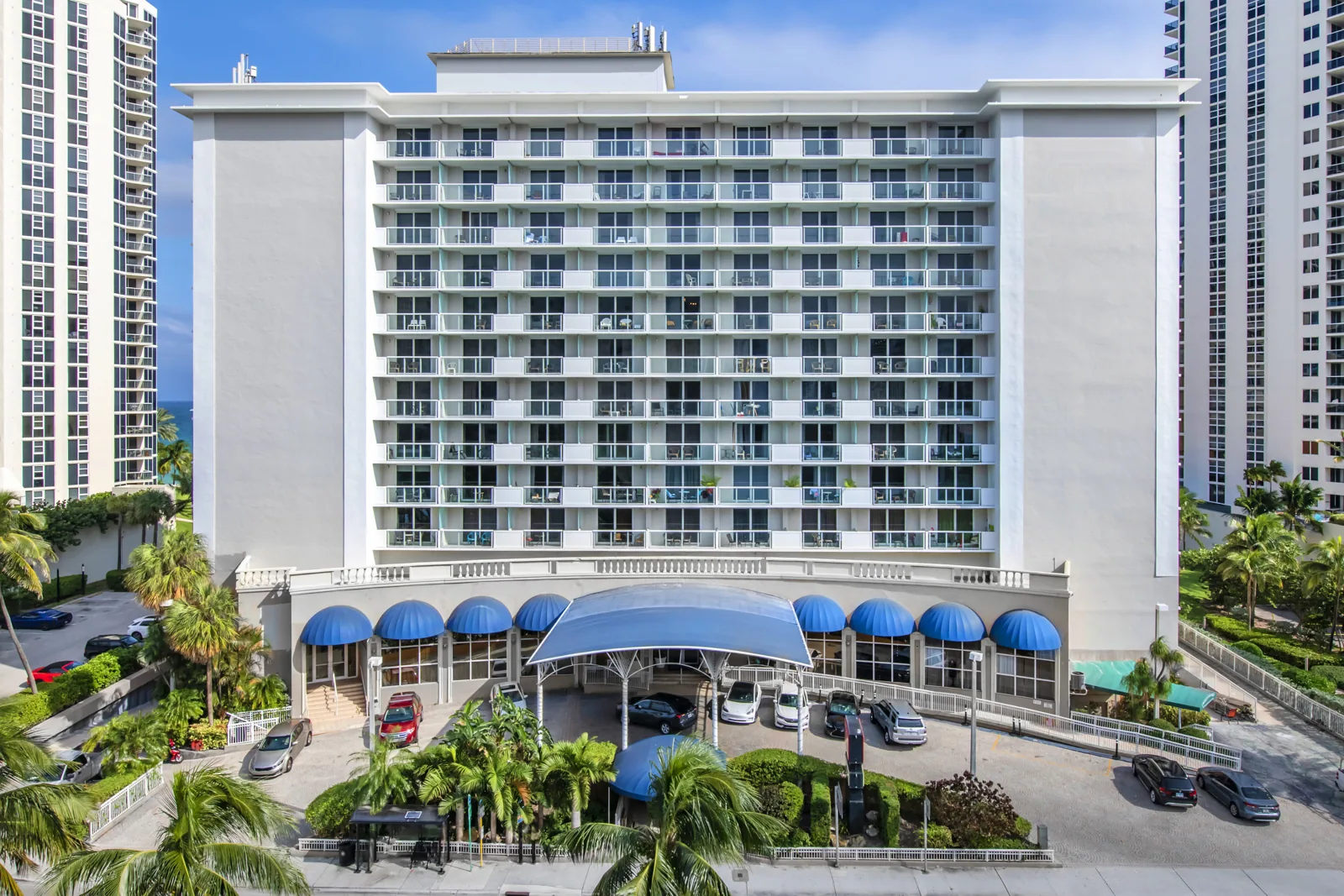
Plan Vacaville hospitality roof work across lodging properties, coordinating guest access, equipment, drainage, and separate close-in records.
A hotel group may coordinate purchasing across properties, but each roof still has its own assembly, access rules, and maintenance record. We inspect the individual building before a portfolio team compares priorities, then document guest-facing constraints such as service routes, room protection, kitchen exhaust, and close-in timing. Vacaville's economic development materials identify commercial activity across several established sectors; that context does not tell us how a particular lodging property is built or operated. The property contact confirms current use before scope is set.
Keep guest access in the sequence
Hotel work can meet a lobby, loading entrance, kitchen route, or occupied room. Before lifting material, we confirm which entrances stay open, where staging is allowed, and how guests will be kept separate from the work zone. The property team identifies quiet hours and any service period that cannot be interrupted. We divide a project into roof sections with a close-in point for each shift, then note the interior protection required below an opening. A phased occupied-building plan lets management review the roof sequence before the crew arrives.
Guest turnover does not mean the roof has an empty work window. Housekeeping, kitchen service, deliveries, and mechanical response can continue while a crew is overhead. We coordinate the point where a service route or rooftop unit needs a temporary restriction and identify who can release it again. If a leak requires immediate protection, that work is documented separately from permanent correction. This keeps the initial response clear and gives the hotel a defined decision when the roof is ready for a repair or replacement proposal.
Map the roof issue to the room report
A guest may report a stain near a window or ceiling fixture while the opening lies at a curb, seam, or perimeter detail. We trace the route above the room and check the membrane, edge metal, penetrations, and drainage field. Where concealed moisture could change removal, a targeted scan or test opening identifies the layers at that point. The repair boundary should reach dry, sound material and show which area remains untested. A commercial inspection documents the observations and provides a basis for comparing a repair with broader removal.
Vacaville’s position near I-80 and I-505 informs travel; site rules govern arrival. For lodging properties, repair planning begins with the hours and routes the operator can release. We confirm which entrances, service lanes, event spaces, and guest areas must stay available, then place roof staging and crew access around those constraints. The building contact identifies any quiet period or scheduled turnover that changes the work window. We set a daily stopping point where the opened section can be made weather-tight, so an operating plan is tied to a defined roof zone instead of a broad promise about uninterrupted work.
Check the equipment transitions
Mechanical curbs, exhaust fans, skylights, and service supports interrupt a roof membrane and can become leak paths when the flashing loosens or a later trade moves the base. We inspect the curb height, membrane turn-up, counterflashing, fasteners, and any patch around the opening. If new equipment is planned, the mechanical and roofing scopes should identify who stabilizes the support and who closes the membrane. A curb and equipment detail can be scheduled before the new unit is set, rather than leaving a field crew to seal around a base that is not ready.
Where a new layer or replacement changes the roof build-up, we measure the existing curb, equipment base, wall transition, and nearby threshold before selecting details. Added insulation can change the height available for flashing, while a shifted unit may expose old fastener lines or an unsupported edge. We document dimensions and route unresolved design questions to the responsible project professional. Once the approved detail is clear, the crew can sequence demolition, attachment, flashing, and final inspection without burying an unverified transition.
Follow drainage to its outlet
A roof can continue to show moisture after a seam repair if water remains at a low point or an outlet is blocked. We trace the drainage path, inspect strainers, scuppers, and overflows, and note ponding near curbs or walk pads. A slow drain and a split membrane are separate conditions, even if they appear in the same ceiling report. We price each task with a clear sequence and identify when the area needs to dry before the next layer goes down. Drain and scupper work can be scoped alongside the membrane repair when both affect close-in.
The city identifies biotechnology, advanced manufacturing, industrial production, and logistics as local sectors. Those facts do not establish the operations of a specific lodging property. The hotel manager supplies the service route and equipment limitations, and we set staging and delivery around those instructions. If the property is near an industrial park or downtown, that place name may orient a service visit, but drainage and assembly condition remain a roof-level inspection.
Choose a repair window or a capital window
A repair may be enough when the failed section is limited and the surrounding membrane can receive a compatible patch. If seams fail in several zones, moisture extends under the insulation, or the deck is weak, the owner should compare a larger removal or replacement. A recover is only an option when the existing assembly is stable, dry, and suitable for added weight. We review attachment, curb height, drainage, and concealed conditions before recommending it. A replacement scope lists tear-off, insulation, perimeter details, temporary protection, and the daily close-in plan.
For recurring service, we record the areas checked, repairs completed, drains cleared, and details that need another look. A maintenance schedule can follow the hotel’s access windows while retaining a separate condition history for each building. The proposal identifies cost and timing drivers such as roof access, material handling, equipment coordination, and the amount of work that can be closed before guests return to an area. The manager can compare those constraints against the property calendar before selecting a scope.
Carry the roof record forward
Closeout should show the roof zone, repair material, photos, moisture test points, and any detail left for later review. We mark areas that were not opened or not accessible so the hotel does not mistake an untested section for a confirmed dry assembly. A future leak report can then be compared against the prior repair boundary. For a group with lodging and restaurant properties, common fields can support portfolio review while each building keeps its own assembly, repair history, and operating limits.
At a Downtown Vacaville property, we record the approved entry and staging area alongside the roof-zone findings. A property manager coordinating several lodging assets can use a consistent report format, but the current access contact and close-in window remain property-specific. The roof file stays with the building; the portfolio view groups the decisions without combining conditions from different roofs.
Questions Owners Ask
How can roof work stay separate from hotel guests?
We confirm entrances, staging, lift areas, guest routes, and the daily close-in period with the property contact. The plan identifies the work zone and the protection needed below it.
Will a ceiling stain show where the roof is open?
The stain marks where water appeared, not necessarily its entry point. We inspect seams, curbs, walls, and drains above the report and test hidden layers if they could change the repair boundary.
What should happen before a hotel replaces rooftop equipment?
The mechanical and roofing trades confirm the base, support, curb height, and flashing sequence before the membrane is closed. We note the handoff so the new unit does not leave an unfinished transition.
Can a roof be coated instead of replaced?
A coating is worth evaluating when the existing surface is stable, compatible, and dry enough for preparation. We inspect seams, drains, attachment, and prior layers, then specify repairs and reinforcement before coating. If moisture or loose material remains, we explain why coating alone will not address it.
What should a hotel keep after a repair?
Keep the roof-zone photos, material, repair limit, moisture test points, access notes, and remaining conditions. We identify sections that were not inspected so the next visit has a clear target.
Related Roofing Work
- Occupied Commercial Building Reroofing in Vacaville, CA
- Commercial Roof Inspection in Vacaville, CA
- Commercial Rooftop Equipment Curbs and Supports in Vacaville, CA
- Commercial Roof Drain and Scupper Repair in Vacaville, CA
- Commercial Roof Replacement in Vacaville, CA
- Commercial Roof Maintenance in Vacaville, CA
- Commercial Roofing for Retail and Restaurant Chains in Vacaville, CA
- Commercial Roofing in Downtown Vacaville, CA
Share the building use, leak location, roof records, guest access limits, and the property calendar. We will inspect the assembly and document the repair boundary and daily close-in plan.