Commercial Roofing for Retail and Restaurant Chains in Vacaville, CA
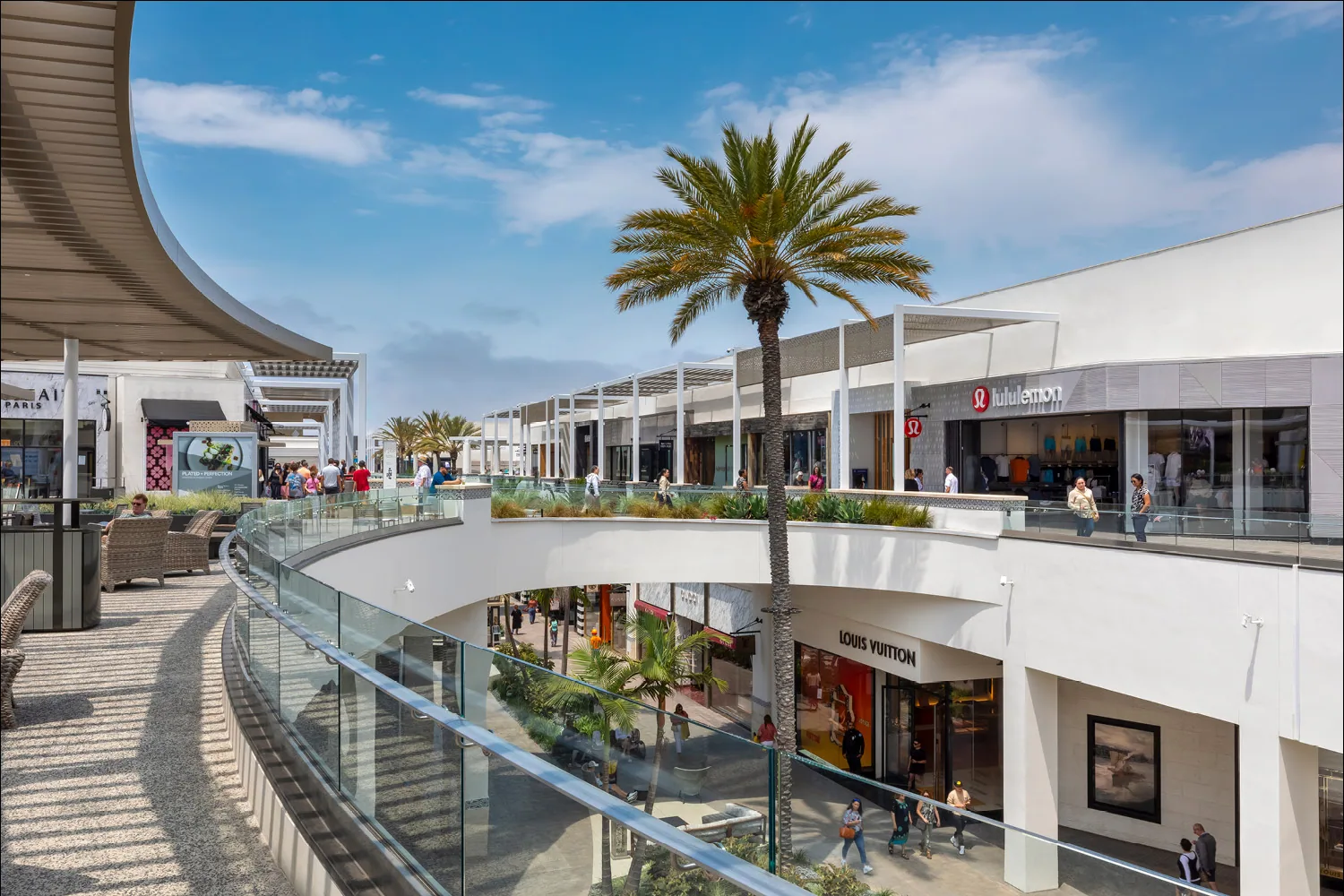
Coordinate Vacaville retail and restaurant roof repairs with store hours, guest access, equipment checks, and a documented work boundary.
A roof leak at a store or restaurant can affect customer space, inventory, kitchen equipment, or a back-of-house route, and the first visible mark may sit far from the opening. For a Vacaville location, we confirm the operating contact, the affected room, available roof history, and times when access can occur. The inspection follows the water path across the membrane, penetrations, drains, and perimeter before a patch or larger project is proposed. A chain can then compare the roof evidence with its service window and decide which location needs immediate protection, testing, or planned renewal.
A chain operator may have several store formats, each with different back-of-house access and rooftop equipment. We verify the membrane, insulation, drains, curb conditions, and prior repairs at the individual property before selecting a scope. The site contact can identify delivery hours, customer access, kitchen exhaust needs, and any period when work would interfere with service. A Downtown Vacaville roof visit follows that building-specific checklist and records what the crew can complete while the store remains in operation.
Tie the report to one store location
Multi-location operators need a record that keeps each roof separate. We label the store address, roof zone, interior symptom, reported date, and contact who can release access. If a ceiling tile shows water near a sales floor, the entry point may be at a drain, curb, or seam above another bay. We walk the roof path and compare it with the interior report, then photograph both the condition and the limits of the inspection. The resulting file gives the operator a location-level repair boundary rather than a generic work note that could be mistaken for coverage of a neighboring property.
A roof map is useful when different contractors or facilities contacts handle different locations. We note prior repairs, available warranties, penetrations, and any area that could not be reached. A hospitality roof plan may have guest and service routes to coordinate, while a property manager’s building record can add lease and access contacts. Neither replaces the store operator’s own approval path. For a roof concern, an inspection record identifies what was observed at that address and which question needs a test before the chain authorizes a wider scope.
Set a work window around customers
Roofing work needs a defined entry route, staging space, material lift plan, and daily close-in point. The store contact can identify peak periods, deliveries, kitchen service, loading access, and doors that need to remain available. We use those details to divide work into roof zones that can be secured before the next operating period. A short repair may fit outside open hours, but access, weather, and the condition of the assembly still control what can be completed safely. The schedule should show when the crew arrives, what area is restricted, and who confirms that the roof is closed before the site resumes normal use.
If customers or staff remain below the work, the plan can identify interior protection and a contact who can pause the task if conditions change. We do not assume that an empty dining room or closed sales floor means the full property is vacant. A phased occupied-building sequence can name the section, setup, and close-in check for each shift. Chain operations can then compare the proposed timing with store hours and approved downtime instead of relying on a broad duration estimate that hides the daily handoff.
Inspect drains and rooftop equipment
Restaurant exhaust, packaged HVAC units, refrigeration lines, and signs can create several penetrations across one roof, but their presence does not identify the source of a leak. We inspect each nearby curb, flashing turn-up, conduit support, and membrane seam for a visible gap or movement. The drain bowl and overflow path are checked separately so a slow outlet is not mistaken for a failed seam. If a service trade recently worked above the ceiling, we ask for that date and compare it with roof observations. This makes the investigation specific to the store rather than a routine list of equipment that may not be present.
Vacaville’s 2025 planning activity report lists commercial and industrial construction proposals, including warehouse and retail development. Those proposals describe planning activity, not completed stores or conditions at an existing chain location. The work at a roof still follows its installed assembly and current drainage. A drain and scupper check can be scoped alongside a localized roof repair when both are supported by what we observe. If rooftop units need support or curb changes, the roofing and mechanical sequence should be coordinated before the membrane transition is closed.
Compare a defined repair with renewal
A repair can be a sensible option when the defect is limited, the surrounding sheet is stable, and moisture does not extend beneath the proposed patch. We verify material compatibility, attachment, and the condition of the receiving surface before setting the boundary. Repeated leaks in separate roof zones, wet insulation, failed edge transitions, or deck concerns can change the comparison. A proposal should separate immediate interior protection from permanent work, list any test opening, and show how a concealed condition could alter the quantity. That gives a facilities manager and store contact a way to discuss the same evidence before choosing a repair or a larger capital scope.
When a location has recurring leaks or several repairs, the decision should compare actual roof zones rather than broad building age. We document active defects, moisture boundaries, attachment, and drainage, then price a defined repair beside renewal where the evidence supports both paths. A store in Rio Vista still receives its own access and work map. A replacement review identifies tear-off, protection, and reopening steps for that address so an operator can coordinate the choice with its location schedule.
Keep chain records useful at the next visit
After service, the chain should be able to see which store was visited, what roof area was inspected, which materials were installed, and where the work ended. We provide photos of the repaired detail, note test locations, identify drainage work, and state any roof zone that was not accessed. If water appears later, the operator can compare the location and path with the earlier record instead of assuming the prior task addressed every roof opening. A follow-up list can include a drain check, a flashing observation, or a test point that needs access at the next visit.
The City’s land-use maps connect Vacaville policy and business-plan areas with I-80, I-505, and local roads including Nut Tree Road. That helps orient a portfolio map, but it is not a substitute for the address and condition at each site. We can maintain a separate roof file for every store while presenting consistent fields across the chain. A maintenance visit can update the record after seasonal drainage checks, while the operator retains its own service calendar and decision authority. Send the location list, reported symptoms, roof histories, and access windows, and we can identify which buildings need an inspection first.
Questions Owners Ask
Can roof repairs be scheduled before a store opens?
A defined repair may fit an early work window when roof access, weather, materials, and close-in time allow it. We confirm the setup and the person who can release the area before work begins.
How do you keep records separate for chain locations?
Each report names the address, roof zone, symptom, contact, photos, test points, and repair limit. That keeps one location’s finding from being applied to another store with a different assembly.
Do kitchen exhaust units make a roof leak more likely?
An exhaust curb is one detail to inspect, not proof of a leak. We check its flashing and nearby seams, then trace the water path from the reported interior area.
When should a store compare replacement with repair?
A limited defect in dry, stable material may support a bounded repair. Widespread moisture, repeated failures, or deck concerns can justify comparing renewal after testing confirms the extent.
What information helps plan work at an operating restaurant?
Provide service hours, delivery timing, roof access, interior areas needing protection, equipment contacts, and recent leak reports. We can match the work zone and close-in plan to those constraints.
Related Roofing Work
- Commercial Roofing in Downtown Vacaville, CA
- Commercial Roofing for Hospitality Groups in Vacaville, CA
- Commercial Roofing for Property Managers in Vacaville, CA
- Commercial Roof Inspection in Vacaville, CA
- Occupied Commercial Building Reroofing in Vacaville, CA
- Commercial Roof Drain and Scupper Repair in Vacaville, CA
- Commercial Roof Repair in Vacaville, CA
- Commercial Roofing in Rio Vista, CA
Share the Vacaville location, building use, roof history, leak area, operating window, and approved access contact. We will inspect the assembly and document the repair limit and next step.