Commercial Roofing in the Walters Road and SR 12 Area, Suisun City, CA
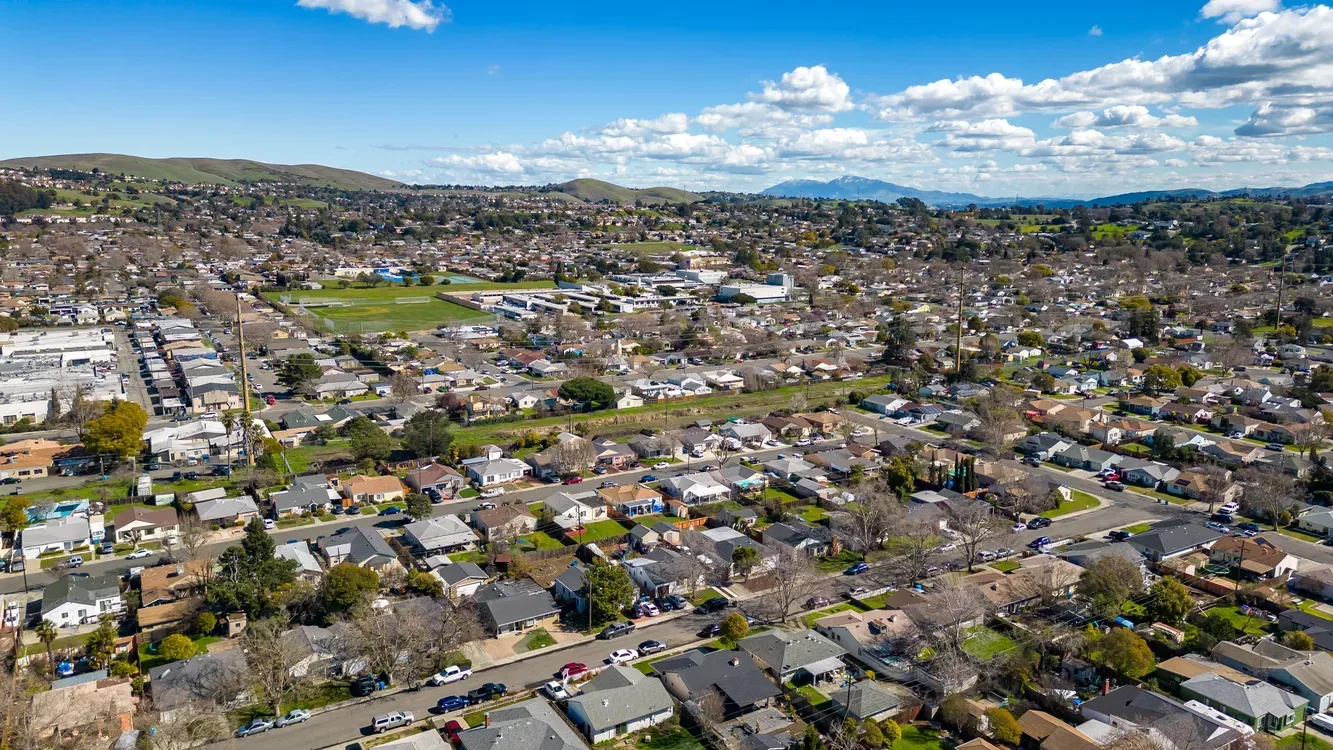
Plan commercial roofing near Walters Road and State Route 12 in Suisun City with a clear inspection, drainage review, repair boundary, and work sequence.
Commercial roofs near Walters Road and State Route 12 need an inspection based on the assembly in place. Suisun City's plan anticipates more retail in this area, a planning direction rather than evidence that a particular parcel is built or occupied. For an existing commercial roof, we start with the assembly and its current use: membrane, insulation, edge metal, rooftop equipment, drains, and the rooms below. Regional heat advisories that included Vacaville make sheet movement worth checking in the surrounding area, but weather context cannot establish a defect at this corridor. Our roof inspection follows seams and transitions, records moisture or loose attachment, and identifies the receiving surface that can support a repair. The resulting scope is tied to what the building shows, not to a future land-use proposal.
Treat planned growth as context
The city strategy describes infill and expansion opportunities across Suisun City and calls for evaluating infrastructure alongside commercial development. That link between land use and infrastructure matters to roof planning because a property may be in active operation, under renovation, or still being considered for a future use. We confirm which condition applies before defining access, schedule, or roof scope. A plan area does not tell us the existing membrane type, the loading pattern, or whether a building has a leak history.
On the first walk, we locate equipment curbs, penetrations, seams, perimeter transitions, and drainage low points. We compare these details with any interior water marks and prior repair notes. A visible ceiling stain can sit away from the roof opening, so our leak investigation traces the likely path rather than sealing the nearest surface. If the membrane and cover board are dry and secure, a local correction may be enough. Where the bond line has failed across a wider area or moisture has entered the assembly, the repair limit needs to include sound receiving material.
Inspect the bond line
Hot roof surfaces expand, then draw back as they cool. That movement can work a seam or termination over repeated cycles, especially where the field sheet meets a parapet, curb, edge metal, or a different material. A regional advisory that included Vacaville describes very hot daytime conditions and warm nights. It offers climate context, not a Suisun City roof measurement and not proof of failure. We examine the actual sheet for open laps, lifted corners, wrinkles, brittle sealant, and displaced fasteners, then test how far a sound bond continues beyond the visible opening.
At an equipment curb, we look at the base flashing, vertical rise, and top termination as one detail. At a metal edge, attachment and water shedding both matter. The inspection notes whether the substrate is firm enough to receive compatible repair material and whether the existing system can be identified. A membrane-specific repair requires a weldable surface; an unknown or contaminated layer changes preparation. If the detail is sound but the field has a separate puncture, we can separate those conditions in the report rather than treating every defect as one scope.
Trace drainage before coating
Commercial development can change site circulation, but the roof still needs a dependable route for water away from the assembly. We check the drains and scuppers, clear obstructions where included in the work, and inspect the roof surface around each outlet. A pond that remains after the outlet is clear may reflect a low area, settled insulation, or a structural condition that surface treatment cannot correct. We record where water stands and compare the roof evidence with the rooms beneath it before proposing a remedy.
A drainage repair can address a failed outlet or scupper; correcting a depressed field may require a different assembly scope. Moisture surveys can help prioritize test cuts, though an infrared image alone does not prove which layer holds water. We verify the assembly physically and show where material should be removed or retained. When a dry, attached surface can support restoration, a coating may be considered after preparation. If insulation is wet or the receiving layer is weak, a ponding-water repair needs to resolve those layers and the water path, not cover them.
Match the scope to the roof
Owners can compare localized repair, recover, and replacement when they have the same condition record in front of them. A patch suits a limited defect where nearby membrane remains bondable and dry. A recover may be possible when the existing layers are stable, moisture is controlled, and added weight is acceptable. Tear-off becomes more appropriate when water is widespread, attachment is unreliable, or repeated repairs would leave the same failure mechanism in place. We state what each option includes and where its limits fall.
Price and timing reflect removal depth, substrate work, insulation, edge metal, curb details, material compatibility, access, and the time needed to close each section. Vacaville adopted the 2025 California Building Standards Code, but that adoption does not determine the code requirements for a Suisun City property. We check the jurisdiction responsible for the project before finalizing a larger alteration. The owner can evaluate recover feasibility against a replacement scope without treating either option as automatic.
Protect the operating window
The city strategy's attention to infrastructure and commercial development does not replace site-specific coordination. Before opening a roof section, we confirm staging, delivery access, customer routes, and any operating hours that constrain noisy work. The crew removes only the area it can protect and close in during the shift. Weather protection, material staging, and the day's stopping point belong in the sequence before demolition starts. For a tenant-occupied building, each phase should identify which entrance stays available and when the work zone will be released. That plan limits exposure at day's end.
Our occupied-building plan ties those details to roof zones and daily close-in. An owner with multiple properties can also review the broader Suisun City service area while keeping each property's condition separate. Vacaville remains the named market for this contractor; its local heat information is context for the crew's evaluation, not a claim about every neighboring roof. If active water entry needs immediate attention, emergency response runs around the clock, holidays included. Share the leak location, available roof records, and operating window so we can focus the inspection on the decision in front of you.
Questions Owners Ask
Does the planned retail expansion mean the corridor has new buildings?
No. The plan identifies an expected addition to retail inventory. We make no assumption about a specific parcel; we confirm the existing use and roof assembly at each property.
Can a roof be repaired while a property is being renovated?
Yes, when the assembly, access, and close-in window support it. We coordinate with the renovation schedule and identify which layers or edges need protection before the crew opens the roof.
What makes a heat-related seam concern worth repairing?
An open lap, weak bond, lifted termination, or moisture below the sheet can change the scope. We inspect the detail and adjacent material, then show the repair boundary.
When is a coating a poor fit for ponding?
A coating cannot correct wet insulation, a loose substrate, or a low area by itself. We verify drainage and moisture first, then explain whether restoration or broader work is appropriate.
What does an owner need to compare recover and replacement?
Moisture, attachment, existing layer count, substrate condition, and added weight govern recover feasibility. The inspection report records those conditions beside the removal and replacement needs.
Related Roofing Work
- Commercial Roofing in Vacaville, CA
- Commercial Roof Inspection in Vacaville, CA
- Commercial Roof Leak Repair in Vacaville, CA
- Commercial Roof Drain and Scupper Repair in Vacaville, CA
- Ponding Water Roof Repair in Vacaville, CA
- Commercial Roof Replacement in Vacaville, CA
- Occupied Commercial Building Reroofing in Vacaville, CA
- Commercial Roofing in Suisun City, CA
Share the leak location, roof records, and operating window. We will inspect the assembly, show the repair boundary, and explain a safe sequence for the work.