Commercial Roofing in Tolenas Industrial Park, Fairfield, CA
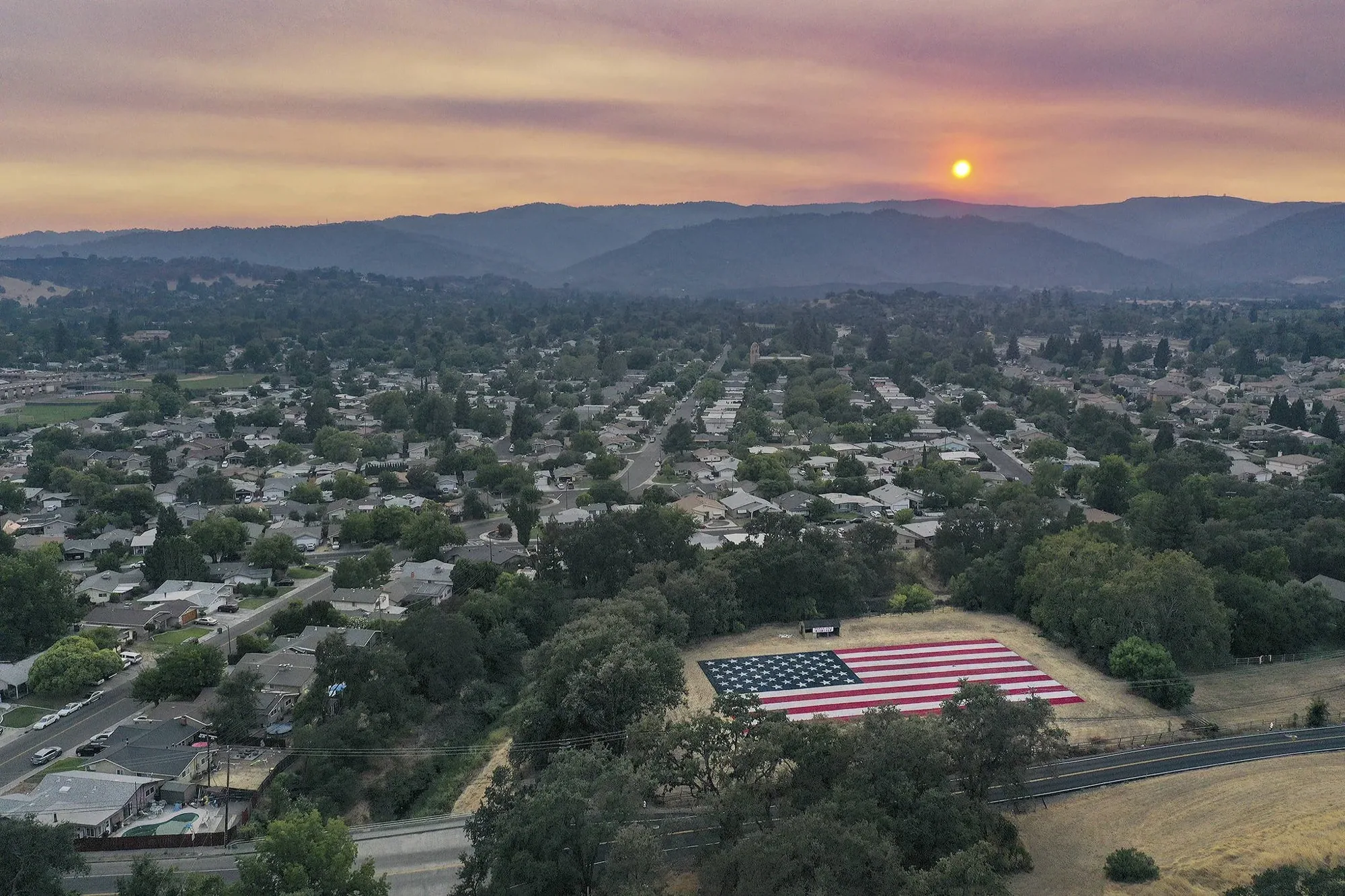
Commercial roofing in Tolenas Industrial Park, Fairfield, CA, with inspection, drainage, and phased repair choices for warehouse and manufacturing properties.
An exposed sheet can pull at a curb or perimeter as temperatures cycle, so we inspect the actual transition before setting a repair boundary. Vacaville recorded a 115°F September high in 2022. Tolenas Industrial Park sits at Fairfield’s northeast end and spans 275 acres; Air Base Parkway and Peabody Road provide routes from the park to I-80. Warehousing, light manufacturing, Class A offices, and rail spurs along the north side make access planning specific to each property. We confirm the assembly, trace water entry, and photograph seams, curbs, drains, and perimeter conditions before recommending repair or replacement.
Identify each roof zone
A property may include a main field, an addition, and equipment penetrations that were installed at different times. We mark those areas separately and compare visible membrane or metal details with the records available. At each seam, we check adhesion, lap condition, and whether a prior patch reaches a firm receiving surface. Around a curb, we inspect the flashing turn and the point where it meets the field. A broad view helps locate the concern, but close photographs show the bond line and edge that affect repair. A roof inspection records each observation by zone, while a condition report with photographs keeps unresolved questions distinct from confirmed defects. That makes the owner’s next step clearer when one roof section can be repaired and another needs testing.
Trace the drainage path
Water at a low point can keep a detail wet, but ponding alone does not tell us why the water stays. We inspect the outlet, strainer, surrounding membrane, and the path from the field into the drain. A blocked opening, compressed insulation, deck movement, or a low slope can change the repair choice. If water has reached the assembly, a test opening may be needed to see how far the affected layer continues. We record that limit before closing anything. Drain and scupper work can include the outlet connection and nearby membrane so a repair does not stop at the metal bowl. When the low point is part of a larger pattern, a focused ponding-water assessment helps separate drainage correction from membrane repair.
Look where movement collects
Daily warming and cooling move a roof sheet across the field; the strain gathers where that sheet terminates or changes plane. We inspect corners, edge metal, curb flashing, and fastener patterns for openings that can admit water. Warehouse equipment supports and rooftop units add transitions, and each needs a detail compatible with the roof system below it. If a metal edge has loosened, replacing only a short exposed seam may leave the perimeter connection unresolved. At each roof, we inspect corners, edge metal, curb flashing, and fastener rows for movement at the actual assembly. Where an existing assembly is compatible, edge metal repair can rebuild a perimeter connection. For sheet systems, TPO work depends on the actual field membrane, attachment, and substrate.
Protect the work window
Warehouse shifts, manufacturing activity, office access, and rail-side operations can affect when a roof section is available. Before mobilizing, we confirm the building contact, roof access, staging area, equipment shutdowns, and the time allowed for removal and close-in. If interior work must continue below, we set protection and divide the roof into zones that can be completed safely in sequence. An open section is not left dependent on an uncertain forecast; the crew plans the close-in point before exposing material. Work timing also affects deliveries and disposal, so the proposal identifies the practical sequence. For an active leak, emergency roof response can address immediate entry while a permanent scope is prepared. We keep those steps tied to the building’s operations, rather than assuming every park tenant shares the same schedule. The daily log notes which zone was completed, what protection remained in place, and who received the closeout. We also photograph the roof before reopening the work area, including temporary covers and any drain kept clear for overnight flow. At the next shift, the supervisor compares that record with the planned opening and confirms the prior section is secure before exposing additional material. That handoff matters when a second crew or facility contact must verify a finished transition before the next section opens.
Choose a repair or replacement path
A localized repair can fit when the defect is contained and the membrane, insulation, and deck around it remain sound. Replacement becomes a stronger comparison when moisture spans multiple zones, repeated seam failures return, or patch layers obscure a reliable repair boundary. We explain what is visible, what a test would confirm, and which observation changes the recommendation. Cost depends on area opened, removal and disposal, substrate condition, flashing and edge reconstruction, and the close-in window. A replacement scope can be phased around continuing use. If management needs a longer view across improvements and repairs, capital planning organizes documented needs without turning a roof concern into an unsupported condition claim. Nearby Fairfield commercial locations have their own roof assemblies, so records and conclusions stay with the property inspected. The same rule applies in Solano Business Center, where the park's industrial and warehouse uses do not establish the condition or construction of this roof.
Before approval, we review how the proposed work addresses the full water path, not just the spot that triggered the call. A repair plan should identify the seam or penetration, the material removed, the new flashing or membrane connection, and how the finished area will be checked. A replacement comparison should state whether existing layers are removed, what substrate repairs are included, how edges and equipment curbs are rebuilt, and how drainage is kept open during the sequence. Owners can compare those choices against operating needs and the remaining useful sections of the roof. If a test or access limitation leaves a question unresolved, we record it plainly so it does not become an assumption in the final scope.
Questions Owners Ask
Do rail spurs change the roofing system recommendation?
They do not identify a membrane or deck. Rail spurs run along the park’s north side, which helps identify the corridor location; the recommendation still comes from the roof assembly, records, and field condition at the property. We confirm those details before specifying a repair material.
What if water is visible far from the roof opening?
The interior mark is one clue, not the repair boundary. We trace the path across the roof, inspect nearby transitions and low points, and document the area that needs testing. Water can travel within an assembly before it appears inside, so the opened layers determine how far corrective work must go.
Can you phase roof work around production?
We plan removal and close-in by area after confirming shifts, access, staging, and any equipment constraints with the building contact. The sequence identifies which section is active each day and what must be protected below, so operating needs are part of the schedule before work starts.
When does a seam repair need a test opening?
A test opening is useful when a surface check cannot show whether insulation or deck is affected. We identify the question, location, and repair to the opening, then request authorization before cutting. The result can support a tight patch boundary or show why a larger area should be compared.
What makes a perimeter detail part of a larger repair?
Movement, loose metal, failed fasteners, or a membrane edge that has lost its receiving surface can connect one defect to a longer run. We inspect corners and adjoining transitions, then state whether the repair ends at sound material or needs more perimeter work.
Related Roofing Work
- Commercial Roof Inspection in Vacaville, CA
- Commercial Roof Condition Reports in Vacaville, CA
- Commercial Roof Drain and Scupper Repair in Vacaville, CA
- Ponding Water Roof Repair in Vacaville, CA
- Commercial Roof Edge Metal, Coping, and Gutter Service in Vacaville, CA
- Emergency Commercial Roof Repair in Vacaville, CA
- Commercial Roof Replacement in Vacaville, CA
- Commercial Roofing in Fairfield, CA
Send the leak location, roof records, and the preferred work window for your Fairfield property. We will inspect the relevant roof zones, document what is confirmed, and lay out practical repair and replacement choices.