Commercial Roofing in Northeast Quadrant, Dixon, CA
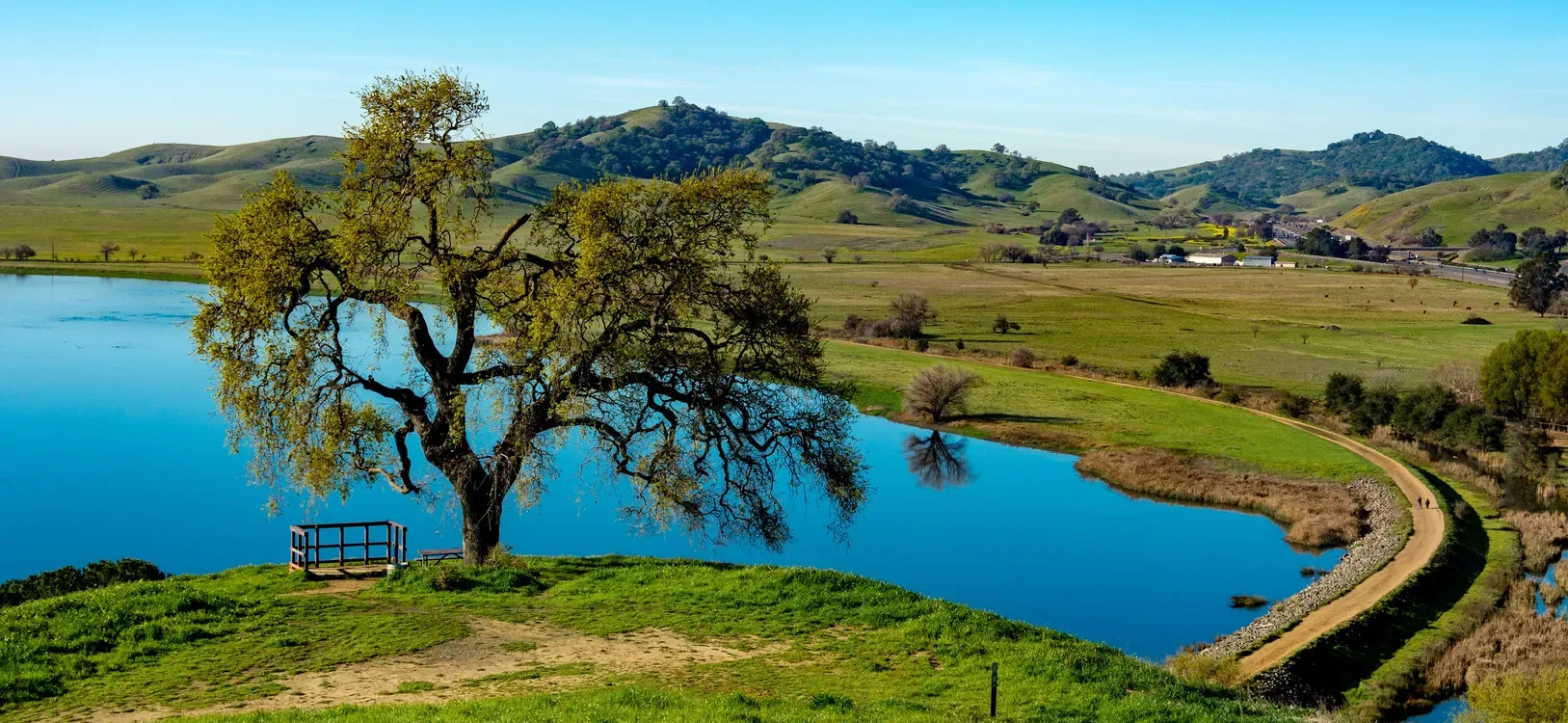
Commercial roof inspections and repairs in Dixon's Northeast Quadrant, with scopes for warehouse, office, mixed-use, and manufacturing properties.
A warm roof surface can pull at a seam and its curb flashing, so a first walk in Dixon's Northeast Quadrant begins with those connected details. The city plan describes this 643-acre area as a gateway with commercial, office, mixed-use, warehouse, and manufacturing uses. It also identifies logistics, warehousing, and advanced manufacturing among supported activities. Those designations do not tell us which structures are complete or what roof systems they carry. We identify the property and use, inspect the assembly that is accessible, and set a repair boundary from the material in front of us.
Tie the roof to the building use
A warehouse roof and an office roof may share a membrane, but their equipment, access, and protection needs can differ. The owner confirms current use, lift access, and any area that must remain available during work. We mark drains, curbs, penetrations, seams, and roof zones on the inspection record instead of assigning a condition from the planning category. Dixon's broader gateway areas include employment and commercial uses, while Downtown Dixon has its own civic and commercial context. A commercial roof inspection notes what the actual building shows and what remains behind the assembly layers.
Check the bond beyond the split
At a membrane lap, we examine whether the bond continues past the visible opening and whether the adjacent sheet is firm enough to receive a patch. Curb flashing, wall terminations, and metal edges can carry the same movement into the field. A surface bead over loose material does not restore that connection. We inspect the seam's end, nearby fasteners, and any prior repair that may conceal moisture. If the receiving material is dry and stable, a limited repair may fit; if the failure continues under the patch, the inspection boundary expands. A repair assessment records that boundary before material is removed. We photograph the seam before the patch and verify the repaired lap after preparation.
Trace the water path to the outlet
Water can travel along a roof before it enters at a split or curb, so the ceiling stain is only one reference point. We inspect roof slopes, low points, drain bowls, scuppers, and overflow paths, then compare the path with visible insulation and previous repairs. Clearing a blocked outlet is separate from changing slope where a depression holds water. We document both conditions rather than applying a coating to mask the low spot. Drain and scupper work addresses an outlet detail; a TPO assembly requires compatible flashing and seam repairs if the membrane itself has opened. We record each outlet separately so a cleaning scope does not imply that adjacent slope work was completed.
Identify layers before choosing an overlay
The Northeast Quadrant plan supports several employment uses, but it does not specify roof construction. We identify the deck and membrane from records, exposed edges, and field checks. For a recover, we confirm retained attachment, moisture, added height at curbs and edges, and drainage before recommending another layer. A metal retrofit requires its own review of framing, clips, fasteners, and panel transitions. If the existing roof is wet or unstable, removal may be necessary before a new assembly can be installed. The retrofit option is discussed only after the substrate and roof geometry are understood. Before an overlay is priced, we also inspect transitions where the new roof would meet parapets, drains, equipment curbs, and neighboring roof heights. The added thickness can affect counterflashing and water flow, even if the membrane field is suitable. We look at attachment, surface compatibility, and whether the layer can remain as a stable base. If those checks are inconclusive, a test opening can show the deck, insulation, and any trapped moisture at that location. The proposal then identifies the area tested and whether the result represents only that roof zone or supports a wider scope. We do not infer a roof assembly from the planning category or a nearby property.
Set access and close-in before removal
The city identifies I-80 and State Route 113 as regional thoroughfares serving Dixon, but the property contact determines the delivery route and usable roof access. We confirm lift placement, interior protection, deliveries, and hours when the assembly can remain open. Removal is divided into sections that can be dried in and closed within the agreed window. For a building with active warehouse or manufacturing use, a phased roof sequence can keep the work area defined. The plan names who approves equipment changes and which trade will close each penetration before the next section proceeds. The city plan describes a gateway area, but the work plan remains specific to a property. We confirm whether deliveries use the same access path as the lift and where material can be staged without blocking active circulation. If an interior area needs protection, its contact identifies equipment, stock, or activities that cannot be exposed to dust or debris. Before a section is opened, the crew and owner agree on the temporary dry-in, end-of-shift inspection, and who can approve an extension if concealed damage is found. That sequence is written alongside the work boundary so the schedule and the repair method remain connected. The close-in plan records its contact and approval window. We confirm that direction before the next section is opened.
Carry each finding into the next decision
Dixon’s Northeast Quadrant Specific Plan spans 643 acres and sets land-use and circulation guidance for the city gateway. The General Plan supports logistics, warehousing and advanced manufacturing in designated areas, but those planning categories do not establish what has been built or which roof system a property carries. We inspect the actual assembly, identify roof zones and photograph seams, curbs, drains and visible repairs. A test opening records the layer exposed and whether moisture or deterioration continues beyond it. Managers comparing Dixon with the Southwest Dixon planning area can keep each finding assigned to the building inspected. A condition report carries unresolved questions, approved work and follow-up needs into the next capital review. The summary distinguishes a localized repair from a larger replacement recommendation and states the evidence for each. Dates, photos and roof-zone labels help an owner revisit the same detail later without treating one inspection as a renewal decision for the district. Any inaccessible area remains identified as uninspected, so the report does not imply a whole-roof conclusion from a limited view.
Questions Owners Ask
Does the Northeast Quadrant plan identify a building's roof system?
No. It describes land uses across a 643-acre planning area, not an individual building's completion or roof assembly. We inspect the structure and confirm materials from records and field observations.
What changes a seam patch into a wider repair?
The material beyond the opening decides the limit. We check bond, moisture, attachment, and the receiving surface; if a failed layer continues under the patch, we document a larger boundary.
Can a clear drain solve a low roof area?
A clear outlet does not change the slope leading to it. We inspect the surrounding elevations and identify whether cleaning, flashing work, or an insulation and slope correction is needed.
How do you schedule work around warehouse activity?
The property contact confirms delivery timing, lift access, interior protection, and the hours available for close-in. We plan removal in sections that can be kept dry within that window.
Which records are useful after an inspection?
Keep the roof map, photographs, material notes, repair limits, and areas not inspected together. We record any test or owner approval that remains before the next scope is set.
Related Roofing Work
- Commercial Roofing in Downtown Dixon, Dixon, CA
- Commercial Roof Inspection in Vacaville, CA
- Commercial Roof Repair in Vacaville, CA
- Commercial Roof Drain and Scupper Repair in Vacaville, CA
- TPO Roofing in Vacaville, CA
- Commercial Metal Roof Retrofit in Vacaville, CA
- Commercial Roofing in Dixon, CA
- Commercial Roofing in Southwest Dixon Specific Plan Area, Dixon, CA
Share the building location, leak area, roof records, and access window. We will inspect the accessible assembly and document a repair boundary or the test that could change the scope.