Commercial Roofing in Dixon, CA
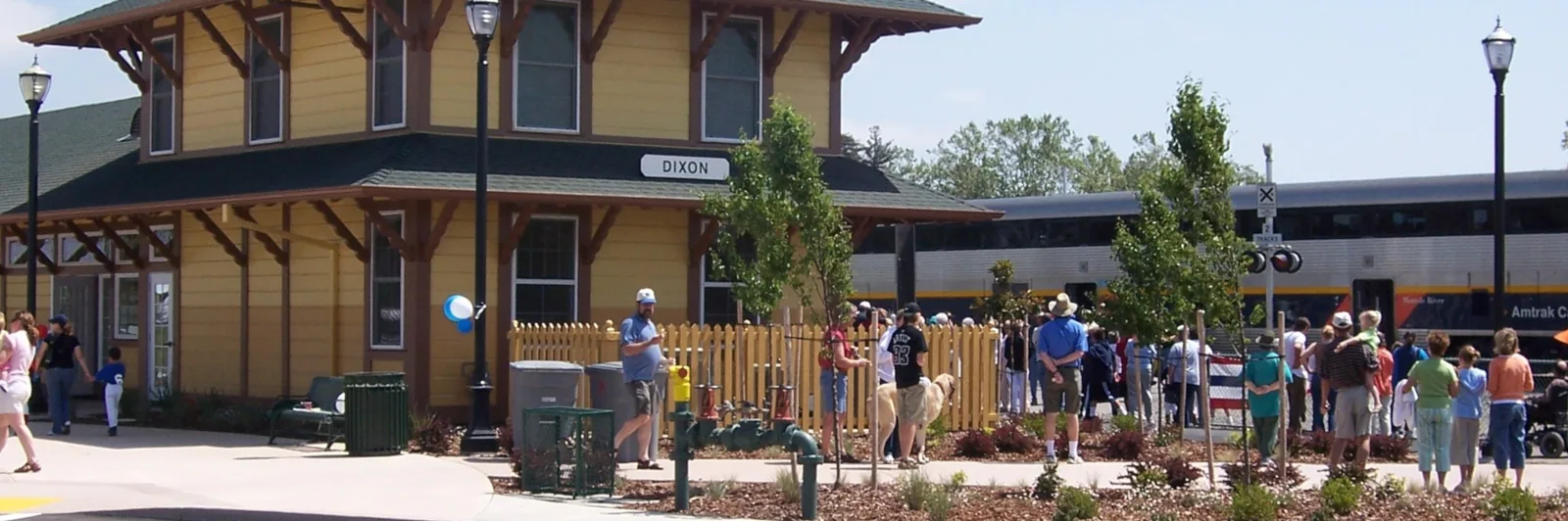
Plan commercial roof repair or replacement in Dixon with a review of warehouse and manufacturing uses, heat movement, drainage, and work access.
Dixon's planning documents identify commercial, office, mixed-use, employment, warehouse, and manufacturing uses in gateway areas served by I-80 and State Route 113. Those plans establish a range of potential building uses, not the roof type or condition at any one property. We inspect the assembly in place, trace water paths, and note where access or operating hours change the scope. A roof over a warehouse or production space may need a different staging and close-in sequence than an office. Our commercial inspection records the membrane, insulation, fasteners, perimeter metal, penetrations, and drainage so the owner can compare repair, recover, or replacement with the same evidence. Heat conditions noted for nearby Vacaville are regional context only; they do not establish damage on a Dixon roof.
Separate the planned uses
I-80 and State Route 113 are major regional thoroughfares serving Dixon, and the General Plan connects them with gateway planning areas that include employment, commercial, warehouse, and manufacturing uses. A planned land use does not confirm that a specific building has been constructed or what it does today. We start with a conversation about the current operation: receiving hours, equipment that must remain live, occupied areas, and any production or storage constraints. Those answers determine where the crew can stage material and which roof zones can be isolated. The location of loading doors, exhaust, and rooftop units can also shape how a temporary weather barrier is placed during the shift.
The roof survey records each change in plane and each opening through the membrane. We inspect seams, curb bases, skylight edges, parapets, drains, and any prior repairs. If water appears inside a work area, we trace upslope and test adjacent layers before defining a patch. A ceiling stain may sit well beyond the opening because moisture can travel along insulation or deck. Our leak tracing follows the assembly and documents whether the receiving surface remains dry and firm. Where wet insulation or loose cover board extends beyond one detail, the repair boundary must move with it.
Read the seams through a heat cycle
The National Weather Service advisory for Vacaville described a period of very hot days and warm nights across Central Solano County. That warning provides regional context for checking heat movement; it is not a Dixon station normal, a design load, or evidence that a membrane has failed. On a low-slope roof, sunlight warms the field sheet and cooler conditions let it contract. Repeated movement tests the bond line at seams and terminations, particularly where a membrane meets metal, equipment, or a vertical wall.
We look for open laps, fishmouths, lifted corners, cracked sealant, and fasteners that have shifted. At a curb, the base flashing and top termination need to work together. At the perimeter, edge metal must remain secure while shedding water outward. A compatible correction depends on the existing assembly and substrate preparation. When the material cannot accept a reliable bond, we mark the limit where preparation reaches stable receiving material. The inspection distinguishes a local detail from a field-wide attachment problem.
Keep the water path open
Warehouse, office, and manufacturing uses can place different contents beneath a low point, yet the roof question starts in the same place: where does water collect, and can it reach an outlet? We inspect drain bowls, strainers, scuppers, overflows, and the surface leading to them. A plugged outlet may need service. A low area that remains after clearing can reflect settled insulation, lost slope, or a structural issue that requires a different trade. We document the standing water and compare it with roof-layer moisture and the interior location below. We also check whether planned mechanical changes might redirect runoff toward a low point.
A drainage correction should address the restriction that caused water to stay, not simply clean the visible opening. Infrared moisture mapping can direct physical verification, but it does not identify the exact wet layer by itself. We use test cuts or other appropriate checks when the findings will change the scope. If the assembly is dry and attached, a prepared restoration may remain an option. When materials are wet, unstable, or separated, a ponding-water repair must account for removal and drainage as well as surface work.
Compare a repair with larger work
A local repair makes sense when the defect is limited and the adjacent assembly gives us a sound surface for a compatible fix. If moisture appears across several roof zones, attachment is weak, or drainage problems keep returning, a recover or replacement may be a better comparison. A recover depends on the existing layers being dry, secure, and within acceptable weight limits. Tear-off exposes the deck and permits wet insulation or failed components to be replaced, but it changes the work duration and the amount of material removed. We explain what each option includes and where it stops.
Cost and timing follow removal depth, new insulation, curb and edge work, staging, access, and the window available to close the roof each shift. Vacaville adopted the 2025 California Building Standards Code; Dixon's project still requires review with its own jurisdiction. We confirm the applicable requirements before preparing a larger alteration. A photo condition report marks repairs, moisture, and remaining serviceable areas so ownership can compare the roof work with the building plan. The owner can weigh a recover against replacement after the same inspection findings are established.
Fit the work to the operation
Dixon’s General Plan identifies I-80 and State Route 113 as regional routes serving the city and describes warehouse, manufacturing and employment uses in gateway planning areas. That land-use context does not confirm the use or roof system at a particular property. We ask the site contact when deliveries arrive, what equipment must remain available and which rooms need protection. The roof sequence then accounts for safe staging, removal, membrane placement and the amount of material that can be made weather-tight before the shift ends.
Our occupied-building plan sets entry, staging and close-in steps with the property contact. Emergency roof response is available around the clock, holidays included, when active water entry cannot wait for a scheduled visit. A separate project in Vacaville's commercial service area receives its own inspection record rather than inheriting a Dixon finding. The Downtown Dixon district has its own street pattern and building context, but the actual roof and hours still govern access. Share the leak location, available records and operating window so we can define repair, recover or replacement work for this assembly.
Questions Owners Ask
Do Dixon's gateway plans confirm a warehouse roof type?
No. The plans identify possible uses in gateway areas. We verify the current property use and inspect the installed roof before discussing materials or a repair method.
What roof records help with a Dixon inspection?
Prior leak locations, repair invoices, drawings, and maintenance notes help us compare past work with visible conditions. We still verify the assembly and moisture at the roof itself.
Can a roof repair be phased around receiving hours?
Often, when the roof and access allow separate work zones. We agree on staging, protected routes, and each shift's close-in limit with the operating contact.
Does a regional heat advisory mean the membrane has failed?
No. It is climate context only. We inspect seams, edge details, attachment, and the layers beneath before identifying a defect or repair boundary.
What findings make replacement more likely than repair?
Widespread moisture, unstable attachment, failing substrate, or recurring drainage and seam problems can make a broader scope more suitable. The report explains the evidence behind that comparison.
Related Roofing Work
- Commercial Roof Inspection in Vacaville, CA
- Commercial Roof Leak Repair in Vacaville, CA
- Commercial Roof Drain and Scupper Repair in Vacaville, CA
- Ponding Water Roof Repair in Vacaville, CA
- Commercial Roof Condition Reports in Vacaville, CA
- Occupied Commercial Building Reroofing in Vacaville, CA
- Commercial Roofing in Vacaville, CA
- Commercial Roofing in Downtown Dixon, Dixon, CA
Share the leak location, available roof records, and operating hours. We will inspect the assembly, identify the repair boundary, and set a close-in sequence around the property's use.