Johns Manville Commercial Roofing in Vacaville, CA
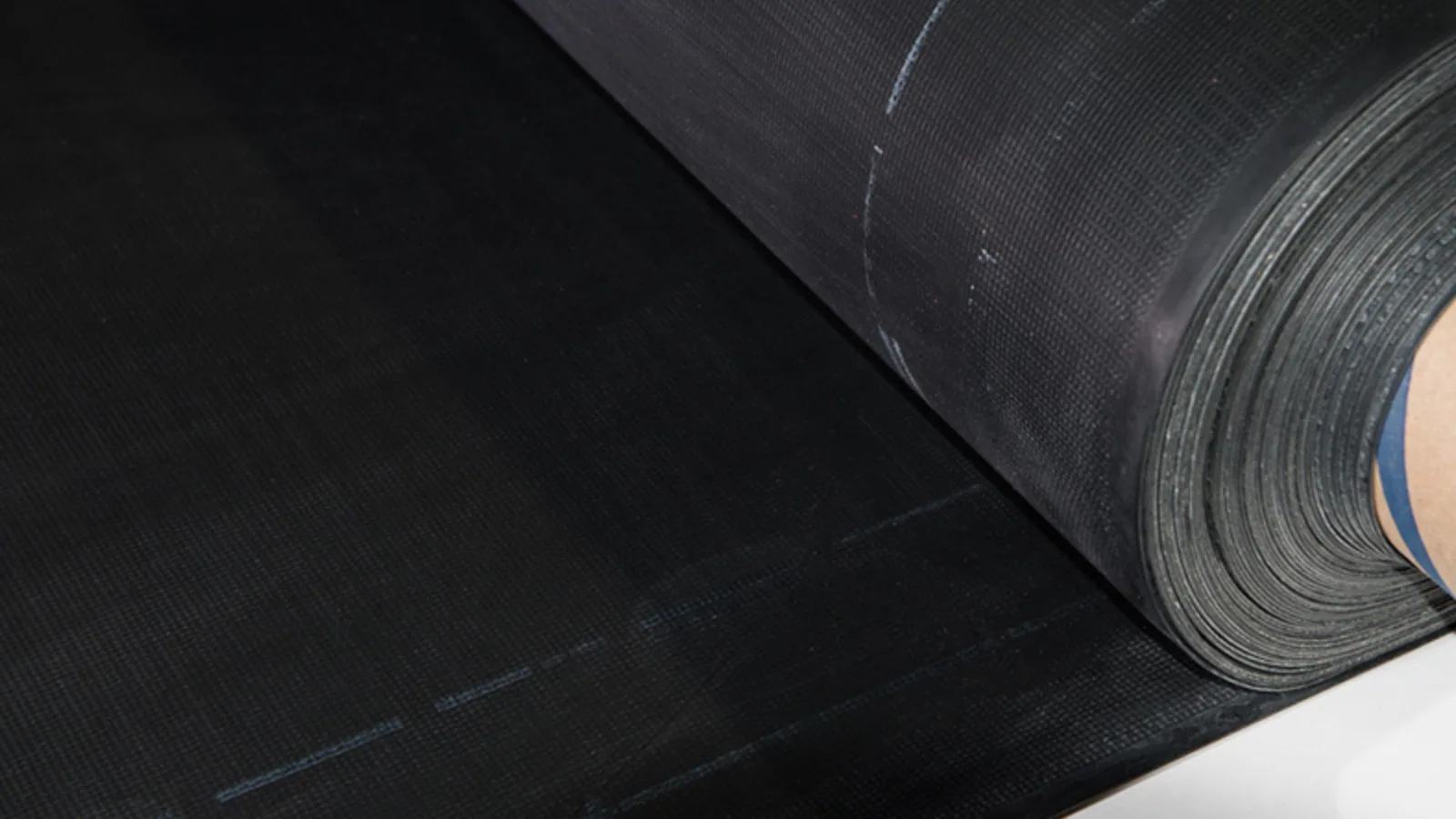
Review Johns Manville roof options in Vacaville, CA. We compare assembly layers, seam methods, drainage, and close in needs for each building.
Johns Manville product families use different materials and seam methods, so the installed roof must be identified before a repair detail is selected. In Vacaville, local heat exposure makes it sensible to inspect laps, edge terminations, and penetrations, while the condition of the installed assembly controls the recommendation. We compare the observed material, attachment, insulation, and drainage with available closeout records. Then we define whether the issue is a localized transition, a broader membrane failure, or a question requiring a test opening. A roof inspection records those conditions before repair, recover, or replacement is priced.
Map the material choices
Compare products by assembly role, not by a brand name on an old invoice. Thermoplastic sheets, rubber membrane, and multi-ply materials each use different seam and flashing methods. Confirm the installed facer, attachment, insulation, and cover board before deciding whether a new layer can bond or be mechanically secured. Where a roof includes more than one system, map the transition so repair materials do not cross onto an incompatible surface. A TPO roof and a modified bitumen assembly need their own detail review even if they share a drain or parapet.
Check compatibility before repair
At a suspected seam defect, distinguish a released bond from a tear, puncture, or movement at the edge. Probe the lap only where access and manufacturer guidance allow; note contamination, old sealant, and whether sound material remains beyond the opening. At a curb, trace the membrane up the face and inspect the termination and counterflashing as one interface. A seam repair should stop where the bond is dependable, and curb flashing repair should not conceal a loose base or unresolved equipment movement.
Keep water moving through the assembly
On a multi-ply or sheet assembly, a drainage issue can make an otherwise localized membrane repair fail early. Trace runoff from the high point to the drain or scupper, inspect the bowl, strainer, overflow, and flashing, and mark where water remains after the field clears. Check whether the insulation is firm at that low point and whether the drain connection is secure. A drainage correction can be scoped alongside membrane work, but keep each cause visible in the closeout. Product identification answers which repair materials may fit; it does not establish whether the outlet or substrate is sound.
Water can enter at a drain even when the field membrane remains intact. Inspect the drain clamp, ring, sump, and membrane termination separately from the product label, then note whether the outlet can be serviced without removing a larger roof area. A small amount of trapped water near a bowl may indicate a blocked strainer; a loose connection, wet insulation, or failed sump changes the scope. Document which condition is present and which has only been suspected. The proposal should call out the detail materials and the receiving surface so the repair crew can verify compatibility before closing the work.
Coordinate the work with the building
At a Vacaville property, compare the material visible on the roof with the Johns Manville submittal and warranty records before ordering a repair product. Mark where the documented system begins and ends, since a single building may have sections installed at different times. Record the product family, attachment method, cover board, insulation, and any later patch that changes the original detail. If the paperwork cannot be matched to the field, identify the unresolved point and request confirmation before writing a manufacturer-specific repair specification. A commercial roofing visit in Vacaville can establish the current roof-zone map and gather the documents needed for that review. Keep product verification separate from scheduling or access notes so future service does not inherit an unverified system name. The City identifies North Village as a mixed-use area with commercial and business-park uses, while Downtown Vacaville’s Business Improvement District represents more than 450 businesses. Those place labels can help organize a service route, but neither identifies the membrane on an individual roof. For a Johns Manville review, retain the building-specific submittal, field observations, and any warranty requirements together; do not infer a product family from the surrounding district or neighboring development. Ask the owner to confirm which roof zones fall under the submitted warranty before any scope is released.
Compare the work rather than the label
Compare assemblies by the detail set that can be documented: field sheet, attachment, cover board, insulation, perimeter, drain, and curb returns. A proposal should name removal assumptions and explain how a concealed condition changes the scope. The manufacturer name alone cannot answer whether the existing substrate is dry or the new layer can be accepted. For a project that includes another specified system, review the Carlisle SynTec option and Sika Sarnafil assembly against the same building requirements. Keep the comparison on assembly behavior and warranty documents actually supplied, then identify any open submittal before ordering material.
For a manufacturer review, retain the product data and warranty documents actually submitted for the project, including system limitations and required inspection records. Compare attachment, insulation, substrate, flashings, and edge details rather than judging a membrane by color or brand familiarity. Where a building has a mixed assembly, identify the transition and state which product details apply on each side. A substitution should be checked against the approved scope before purchase; the name on a delivery ticket does not establish the installed system. At closeout, record lot or product identification when available, repair materials, and any owner training or maintenance instructions supplied with the project.
At handoff, identify which system family was installed, where transitions occur, and what maintenance items remain. Keep the submittal, warranty paperwork, repair detail, and final photographs in one property record. If a future service team cannot confirm a product from the invoice, the closeout material can narrow the search without making a claim about the present condition.
If a product detail is not included in the submitted documents, mark it for confirmation before installation rather than relying on a general product description. Keep the verified answer with the approved roof plan.
Questions Owners Ask
How can I identify the Johns Manville system already installed?
Compare available closeout documents with the material, attachment, cover board, and seam detail visible on the roof. Where the records do not agree with the field, mark the assembly unconfirmed and identify the test or submittal needed before repair.
Can a different repair material be used on a JM roof?
Compatibility depends on the installed membrane and the manufacturer detail for that assembly. Identify the receiving surface and repair material, then verify the proposed tie-in before work. Do not select a patch only because it is stocked for another roof system.
What should be checked at a roof drain?
Inspect the sump, clamp or ring, membrane termination, strainer, and overflow path. Note whether water remains and whether the insulation around the outlet is firm. A drain defect and a membrane seam issue may require separate scope items.
Does a Vacaville heat advisory establish roof warranty damage?
No. The advisory is regional weather context, not a finding about an installed assembly or warranty coverage. Review the warranty documents and current roof condition, then document any movement, opening, or moisture observed during inspection.
What belongs in the manufacturer closeout file?
Retain the approved submittal, product data, installation details, warranty paperwork, repair materials, and photographs of transitions. Record any maintenance instruction supplied with the project and distinguish it from an item the owner still needs to verify.
Related Roofing Work
- Commercial Roof Inspection in Vacaville, CA
- TPO Roofing in Vacaville, CA
- Modified Bitumen Roofing in Vacaville, CA
- Commercial Roof Seam Failure Repair in Vacaville, CA
- Commercial Roof Flashing Repair in Vacaville, CA
- Commercial Roof Drain and Scupper Repair in Vacaville, CA
- Commercial Roofing in Vacaville, CA
- Carlisle SynTec Roofing in Vacaville, CA
Share the roof records, leak locations and operating window. We will map the installed system and compare Johns Manville options with the repair or replacement boundary supported by inspection.