Commercial Fire Damage Roof Repair in Vacaville, CA
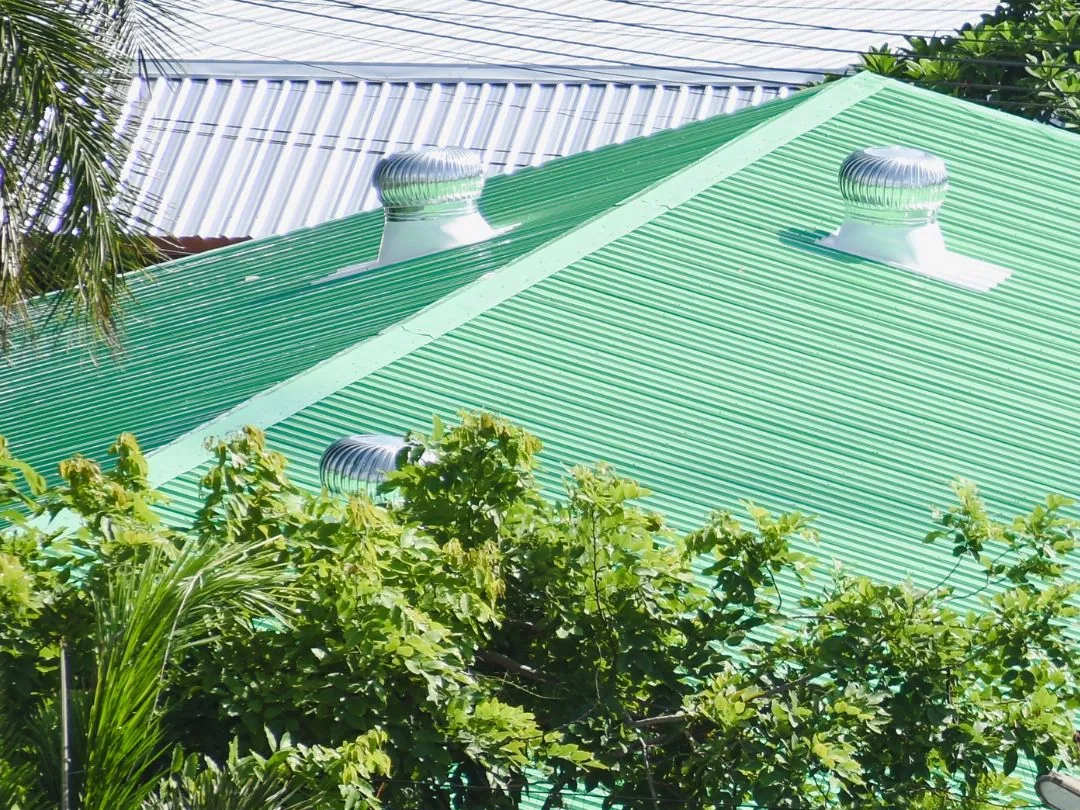
Assess commercial roof damage after a fire in Vacaville, CA. We inspect membrane, insulation, deck, flashing, and suppression water before setting scope.
A fire can heat a roof assembly unevenly, and a National Weather Service heat advisory that included Vacaville is a reminder to examine how the sheet and its bonds respond to temperature. The advisory is not evidence of fire damage. After an incident, we inspect the area above the affected rooms for blistered membrane, softened insulation, loose attachment, damaged flashing, and water from suppression. We mark what is visible and what still needs an opening or engineering review. Vacaville's industrial and business park uses near I-505 and North Village include varied building operations, so access and shutdown limits come from the property contact. A commercial roof inspection begins with safe access and a defined roof zone.
Separate fire effects from nearby conditions
Heat can deform the membrane above a room while smoke residue or suppression water reaches other roof zones. We map the reported incident area, inspect the field and transitions around it, and compare observations with available pre-incident records. Discoloration alone does not establish how far heat traveled through the assembly. A test opening may be needed to see whether insulation has changed shape or the deck coating is affected. We keep each finding attached to its location and separate it from unrelated wear. If a small object or sharp debris also pierced the sheet, puncture repair can be scoped as a separate detail.
Inspect layers beneath the visible surface
We look for blistering, shrinkage, separated seams, heat-distorted flashing, and areas where water has entered after suppression. The inspection checks whether the cover board remains firm, insulation is wet or compressed, and the deck can support the next step. When hidden layers could change quantities, we identify test locations and describe what each opening will answer. A targeted moisture survey can help prioritize locations, but direct confirmation may require a core or controlled cut. If the deck or structural support is affected, the owner needs the appropriate design professional to review it before roofing work proceeds.
We also check whether heat altered a bond line without leaving a visible hole. A membrane may look continuous yet have lifted from the cover board, and flashing can pull away at a corner where the roof changes plane. We record sounding or probe observations only where the assembly allows them and explain when a destructive opening is the better way to confirm a layer. Those findings determine whether a patch can remain local or whether removal must reach a broader area that is dry and attached.
Protect openings while the building is assessed
After emergency response, the roof may have open cuts, debris, or temporary coverings that need careful review. We confirm that the area can be accessed safely, identify what can be removed, and plan a weather-tight interim detail without covering an unsafe or uninspected surface. The return scope notes who controls access below and whether equipment must remain shut down. A rapid emergency roof response can stabilize an accessible opening while a permanent assembly decision is pending. Temporary protection is documented by location, material, and limits so later work can distinguish it from the final repair.
Before moving equipment or debris across the roof, we confirm which surfaces can take foot traffic and which areas need a protected route. A wet membrane, exposed fasteners, or softened insulation can change that plan. The property representative identifies any exclusion zone and the person who can release it. If the roof cannot be approached safely, we keep the response at the accessible perimeter and coordinate a return after clearance. This protects both the people below and the assembly while the next repair decision is prepared.
Coordinate the roof with the operating plan
Vacaville's biotechnology, pharmaceutical manufacturing, advanced manufacturing, production, and logistics activity can place sensitive ventilation or rooftop process equipment beside a fire-affected zone. Before lifting a curb or removing membrane, we ask which systems can be isolated and who can release the work area. The City has reported that four companies acquired more than 120 acres in Vaca Valley Business Park for biomanufacturing facilities. That industrial context makes a careful handoff useful, while the actual roof plan and equipment set the work boundary. We coordinate the roof sequence with the restoration lead and keep any structural or interior restoration tasks assigned to the appropriate professionals.
Compare restoration with replacement
A localized repair may fit where damage is bounded and the remaining assembly is dry, attached, and structurally sound. Broader heat effects, widespread wet insulation, repeated seam release, or a compromised deck can make full removal a better comparison. We identify material, preparation, edge and curb work, testing, disposal, and protection as separate cost drivers. If the assembly is built-up, built-up roofing has layers and surfacing that need to be assessed together. A flashing inspection is appropriate where heat or suppression water affected a curb or wall transition. For a roof with damage across several zones, a replacement scope can be compared against documented repair boundaries.
If restoration work involves several trades, the roofing sequence should show when roof penetrations, new curbs, and weather protection are complete. A replacement layer installed before those transitions are ready can need cutting or rework. We identify which openings belong to the fire response, which are part of mechanical restoration, and what must be closed before interior finishes resume. That planning does not replace the owner's approval process; it gives each trade a visible roof boundary and a clear handoff before the assembly is covered.
Preserve the post-incident roof record
The closeout file marks inspected and repaired areas, materials installed, moisture test points, photos, and any portion not reached. We identify temporary coverings that remain and list the next inspection needed before normal roof access resumes. A condition report keeps those observations separate from a fire investigation, insurance decision, or structural opinion. Vacaville's mix of industrial and commercial activity makes a clear handoff useful when the property has multiple operating contacts, but each roof zone remains its own record. The owner can carry that map into restoration planning and see which assembly questions have been resolved. We can list a follow-up inspection after other trades complete rooftop work, noting whether the final curb or penetration was included in the original roofing boundary. If the building remains in phased restoration, each completed zone is labeled so later occupants and maintenance staff can tell what was repaired and what was still under review.
Questions Owners Ask
Can a roof be repaired before the fire investigation is complete?
A temporary weather-tight measure may be possible after the area is safe to access. We document what is covered and avoid removing evidence or closing an assembly before the owner and responsible investigators approve that step.
Does smoke discoloration mean the membrane must be replaced?
Appearance alone does not set the scope. We inspect adhesion, seams, flashing, and the layers below, then test where a changed material could affect performance or quantities.
Can suppression water damage insulation below the roof?
It can enter through openings or transitions. We map the wet path, test the affected zone, and remove material only where results show it cannot remain as a stable base.
Who checks the deck if heat reached the structure?
A qualified design or structural professional evaluates support conditions. Our inspection documents the roof assembly and coordinates the roofing boundary with that review before covering affected areas.
What should a post-fire roof report include?
Keep the inspection date, roof map, photos, observed layers, moisture findings, temporary work, and areas not accessed. We record the roofing scope without presenting it as a fire-origin or coverage determination.
Related Roofing Work
- Commercial Roof Inspection in Vacaville, CA
- Commercial Roof Puncture Repair in Vacaville, CA
- Commercial Roof Infrared Moisture Survey in Vacaville, CA
- Emergency Commercial Roof Repair in Vacaville, CA
- Commercial Roofing in Vaca Valley Business Park, Vacaville, CA
- Built-Up Roofing in Vacaville, CA
- Commercial Roof Flashing Repair in Vacaville, CA
- Commercial Roof Replacement in Vacaville, CA
Share the incident area, roof records, and approved access window. We will document visible conditions, identify testing needs, and separate temporary protection from permanent roof work.