Commercial Roof Claim Documentation in Vacaville, CA
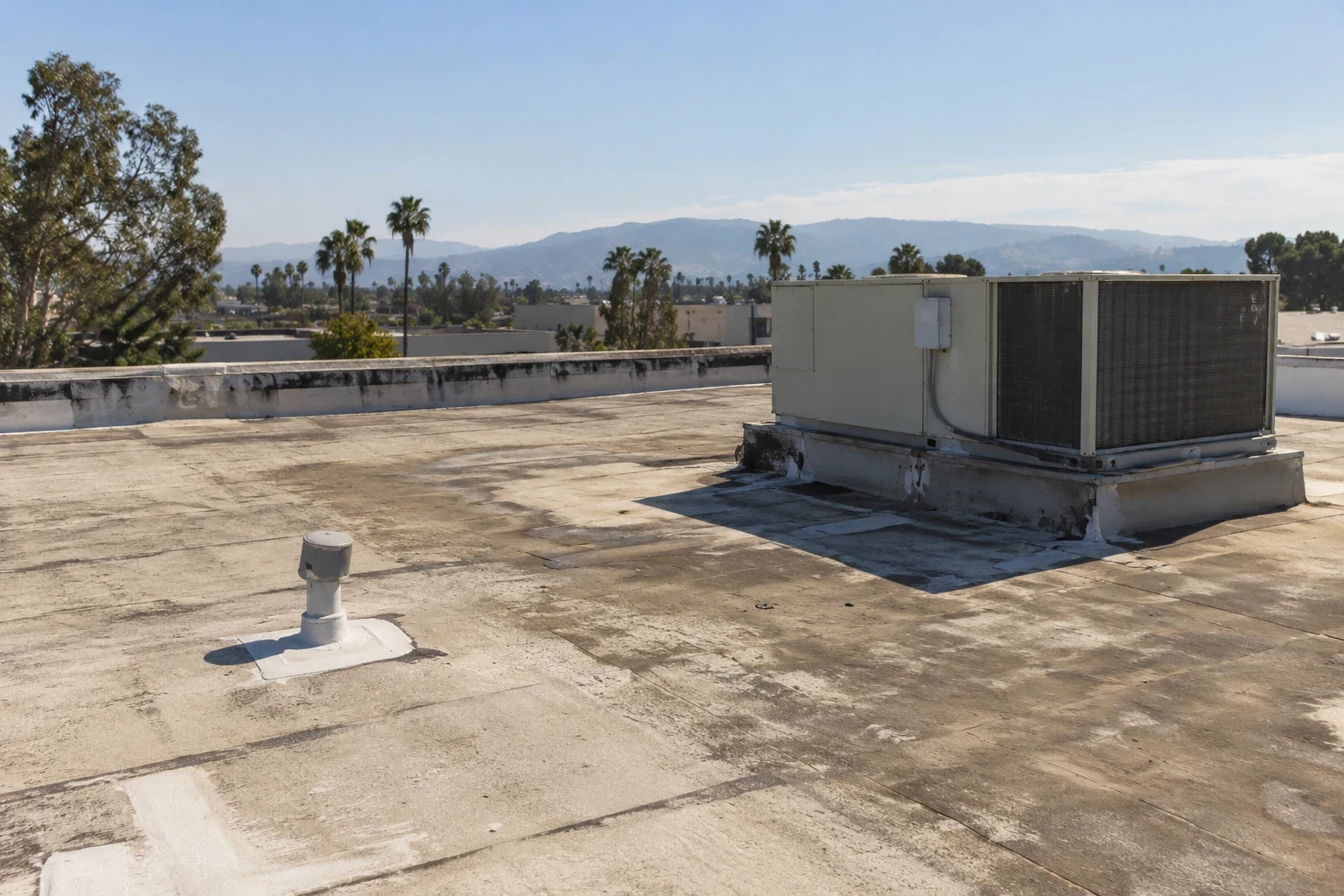
Organize Vacaville roof observations, photographs, repair records, and estimate assumptions for an insurance discussion without promising coverage.
A commercial roof claim discussion is easier to follow when observations, dates, and repair boundaries are kept together. We document the reported event, inspect accessible roof sections, photograph visible conditions, and identify what remains uncertain. That construction record can support a conversation with an insurer or adjuster, but it does not decide policy coverage or promise payment. The neighboring southern Sacramento Valley has a winter rainy season, so dated roof observations can help a reviewer follow the reported water chronology. Weather context can help explain inspection timing, but it cannot establish when a roof defect began. A commercial roof inspection records the present assembly and reported locations before a repair scope is selected.
Record the report and its timeline
We begin with the property contact's account: when water or damage was first noticed, where it appeared, what building operations were affected, and whether temporary work has already occurred. The report labels owner statements separately from field observations. We record the inspection date, roof zone, interior reference, photographs, and any service notes supplied for comparison. Prior repairs remain part of the chronology without being treated as current findings. A storm damage review can document a visible change after an event, while the owner and insurer decide how that information relates to policy terms. This approach keeps the construction history traceable and avoids blending an earlier leak with a newly reported condition.
When the available dates are approximate, we label them as estimates and record who provided them. We do not convert the first report date into a construction diagnosis. A service ticket may describe a ceiling stain, while a later inspection finds an open edge or blocked outlet; both remain useful if their locations and timing are clear. If a repair occurred before the inspection, we note what is still visible and which evidence may have been covered. This chronology helps a reviewer understand the limits of the current observation and which follow-up could change the scope.
Tie each photo to a roof location
A close-up is more useful when it can be found again. We photograph a broad roof zone and then the seam, flashing, edge, curb, drain, or puncture under review. A photo index records direction, a roof-plan reference, and the detail visible in the frame. Interior images are linked to the reported room or ceiling area without assuming the stain sits directly below the opening. We preserve supplied photographs as received and label new images by date. The Downtown Vacaville Business Improvement District represents more than 450 businesses across several industries. Rio Vista is an incorporated Solano County city. We record staging and access for the inspected property, and the report names only the materials observed there.
Separate visible conditions from questions
Open flashing, displaced metal, a torn membrane, or a lifted termination can be documented as an observed condition. Moisture below the surface, concealed deck damage, or an event cause that cannot be isolated visually needs further testing or expert review. We mark the affected roof area, note adjacent details checked, and state where access was limited. A targeted moisture survey may help prioritize confirmation where hidden wet material could change the scope. We record what the survey indicates and distinguish that from any core or opening that verifies the assembly. This keeps the construction report within what the roof visit supports instead of presenting an estimate as a coverage determination.
Show scope assumptions in the estimate
An estimate should state the roof zone, quantities, preparation, materials, transition details, access assumptions, and closeout evidence expected. Temporary protection, diagnostic work, and permanent repair are separate so the owner can see which action addresses immediate water entry. If multiple roof sections or prior patches are involved, we map each boundary instead of assigning one general amount to the entire surface. A defined repair scope may fit a confirmed opening; a replacement comparison can be considered if inspection finds wider deterioration. Those construction options do not predict whether an insurer will approve a claim. Any concealed condition that could change the quantity or approach is listed as an unresolved assumption, with the evidence needed to resolve it. We can show labor, material, mobilization, access equipment, and disposal as separate estimate components when the scope calls for them. If water entry requires temporary protection, that work is documented with its own location and duration. The proposal also records whether the price assumes that a substrate is sound and whether opening it could reveal a different condition. This lets the owner review the construction assumptions without mistaking an allowance for confirmed damage or approved coverage.
Coordinate the inspection with the property team
A claim inspection may involve the owner, property manager, adjuster, tenant contact, and contractor. We confirm who can authorize roof access, who should receive the report, and whether a joint site meeting is requested. An industrial corridor follows I-505 between Vaca Valley Parkway and Midway Road, while Downtown Vacaville supports businesses across multiple industries. Those settings can influence access or meeting arrangements, but the facility's own safety rules govern the visit. We document any roof areas not reached and list any equipment shutdown or escort requirement before another inspection. If water remains active, a separate emergency protection visit can address immediate conditions while the insurance conversation continues.
Preserve a dated repair record
If work proceeds, closeout records the actual preparation, materials, transition details, and photographs at completion. Any new condition found during preparation is logged with its location and the approval or follow-up it requires. Open items remain separate from completed work. The owner can preserve this package with a condition report and revisit it during maintenance planning. If additional information comes in later, the file can note its source and date rather than overwrite the initial inspection record. This gives the property team a clear sequence from report to field review, repair decision, and any return visit. Claim communications remain with the policyholder and insurer, while the contractor answers questions about construction scope and completed work. A final index lists each attachment and the date it was created, helping the reviewer find a specific photograph or work order. If an estimate is revised, the version and reason are identified so an earlier scope is not confused with the approved field work. That record supports a clearer conversation about construction facts and keeps any open claim question visible without presenting it as a contractor decision.
Questions Owners Ask
Can a roofer determine whether an insurance claim is covered?
No. We document construction conditions and prepare a repair estimate. Coverage and claim decisions are made under the policy by the insurer and policyholder.
What should we gather before an inspection?
Share the date the issue was noticed, interior locations, roof plans if available, prior work orders, and any temporary measures. We keep supplied records distinct from new field findings.
Do photographs establish when damage occurred?
Photos show a visible condition at the time they were taken. They may support a discussion, but they do not by themselves establish when a concealed defect began or what caused it.
Should temporary protection wait for an adjuster?
Active water entry may need prompt attention. We document interim measures and their limits, then keep them separate from permanent repair and policy discussions.
What should a roof claim package contain?
A dated chronology, inspection notes, marked roof locations, an indexed photo set, estimate assumptions, work orders, and completion images create a more traceable construction record.
Related Roofing Work
- Commercial Roof Inspection in Vacaville, CA
- Commercial Storm Damage Roof Repair in Vacaville, CA
- Commercial Roofing in Downtown Vacaville, CA
- Commercial Roof Infrared Moisture Survey in Vacaville, CA
- Commercial Roof Repair in Vacaville, CA
- Commercial Roof Replacement in Vacaville, CA
- Emergency Commercial Roof Repair in Vacaville, CA
- Commercial Roof Condition Reports in Vacaville, CA
Share the reported date, interior locations, prior repair records, and access needs. We will document visible conditions, identify testing questions, and prepare a construction scope without representing a claim outcome.